Key Findings
A research team led by the University of California, Riverside, has achieved a significant breakthrough in understanding and treating Fragile X syndrome (FXS). Their study demonstrated that a gene therapy, specifically engineered to replace a missing brain protein, successfully restored normal brain activity and significantly improved behavioral deficits in a mouse model of FXS. This pioneering work offers substantial hope for addressing the root cause of this debilitating genetic disorder.
Technical / Clinical Details
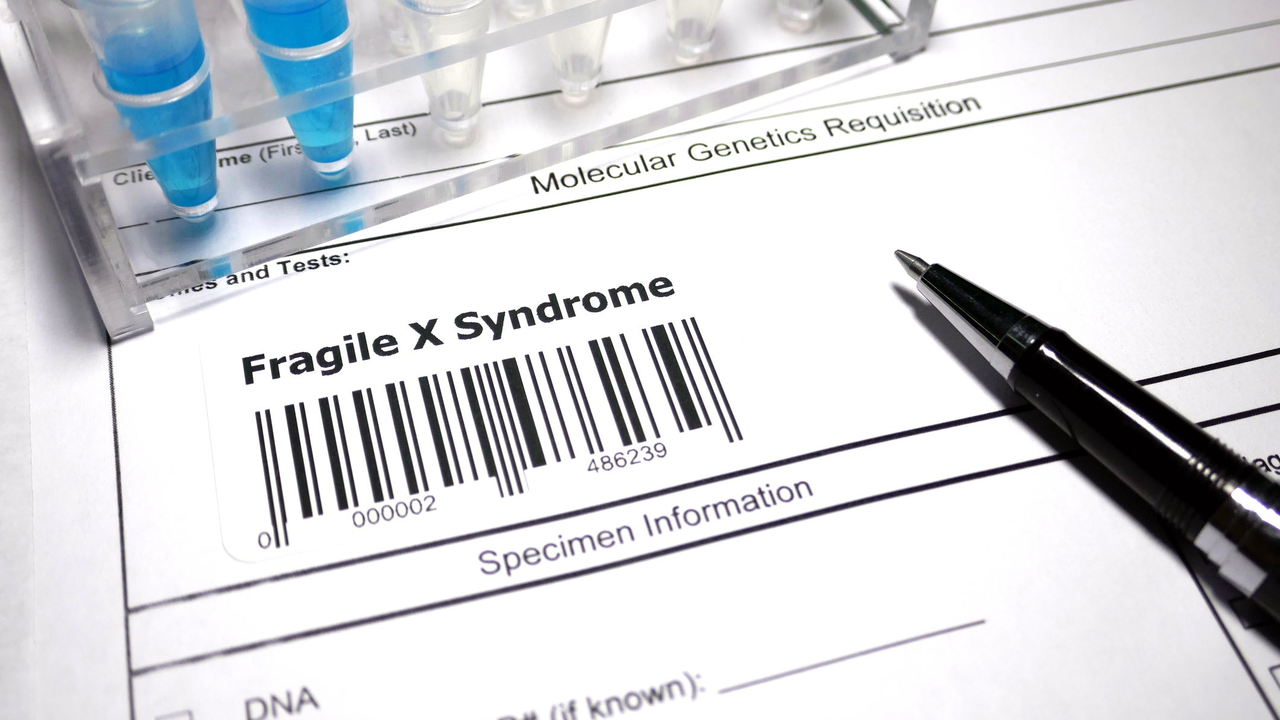
- Fragile X Syndrome (FXS): FXS is one of the most common inherited causes of intellectual disability and autism spectrum disorder, resulting from a mutation in the FMR1 gene. This mutation leads to a deficiency or absence of the Fragile X Mental Retardation Protein (FMRP), which plays a crucial role in synaptic function and plasticity in the brain.
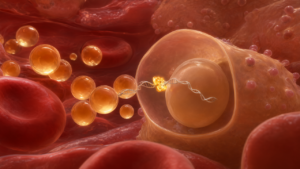
- Gene Therapy Approach: The research team developed a gene therapy utilizing an adeno-associated virus (AAV) vector to deliver a functional FMR1 gene into the brain cells of FXS mouse models. The objective was to restore the expression of the deficient FMRP protein.
- Restoration of Brain Activity: Following treatment, the FXS mice exhibited restored FMRP expression, which was correlated with the normalization of aberrant neural circuit activity. Specifically, electrophysiological abnormalities associated with FXS, such as cortical hyperexcitability, showed significant improvement.
- Behavioral Improvements: Beyond the biological markers, the gene-treated FXS mice demonstrated notable improvements in characteristic FXS-related behavioral deficits, including social interaction impairments and repetitive behaviors. This indicates that the therapy not only addresses underlying biological issues but also translates to meaningful functional and behavioral outcomes.
- Publication: These compelling findings were published in ‘Molecular Therapy Nucleic Acids,’ a prestigious journal in the field of gene therapy.
Background & Context
Current treatments for Fragile X syndrome primarily focus on managing symptoms and do not address the fundamental genetic cause of the disorder, highlighting a significant unmet medical need for disease-modifying therapies. Gene therapy offers a promising avenue by correcting the genetic defect at its source, potentially providing a foundational treatment for neurodevelopmental disorders. Success in mouse models is a crucial step in validating the therapeutic concept before transitioning to human clinical trials.
Strategic Significance & Outlook
This groundbreaking success in the mouse model significantly advances the development of gene therapy for Fragile X syndrome. The next steps will involve further evaluating the safety profile, conducting larger-scale preclinical studies, and ultimately progressing to human clinical trials. If successful, this gene therapy holds the potential to dramatically improve cognitive function, social interaction, and the overall quality of life for FXS patients. It offers new hope in the treatment of autism spectrum disorders and intellectual disabilities, suggesting that gene therapy is becoming a realistic option for fundamental treatment of neurodevelopmental disorders.
Source: https://news.ucr.edu/articles/2026/06/18/gene-therapy-reverses-fragile-x-deficits-mice
Get our weekly technology intelligence — free
Receive an infographic that lets you judge at a glance whether each field’s analysis report is worth reading.
Subscribe Free — Weekly Tech Intelligence
By subscribing, you’ll receive Troy-Technical’s weekly technology intelligence newsletter.
- Your email and selected fields are used only to deliver the newsletter.
- We never share your information with third parties.
- You can unsubscribe anytime via the link in each email.
See our Privacy Policy for details.
Takes about a minute · Unsubscribe anytime