Key Findings
The foremost challenge facing the cell and gene therapy sector is no longer purely scientific discovery but rather the monumental task of constructing the necessary manufacturing, commercial, and clinical infrastructure. While the field has achieved remarkable scientific breakthroughs, practical hurdles related to scaling and sustainably delivering these therapies to patients have come to the forefront.
Technical / Clinical Details
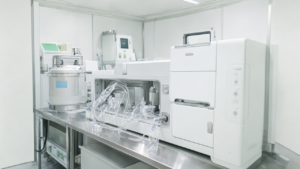
- Manufacturing Bottlenecks: The production of cell and gene therapy products is inherently complex, costly, and fundamentally different from traditional small-molecule drugs. Cells are living therapeutics, demanding stringent sterile environments, intricate culture processes, and handling of personalized (autologous) or limited donor-derived (allogeneic) cell materials. Current manufacturing capacity often struggles to keep pace with rapidly expanding demand, representing a major impediment to market introduction.
- Commercialization Hurdles: Beyond manufacturing, commercialization encompasses complex supply chain management, continuous regulatory dialogue, and the establishment of sustainable reimbursement models for high-cost therapies. Without the integration of these elements, even superior therapies struggle to achieve widespread adoption.
- Clinical Infrastructure Gaps: Cell and gene therapies necessitate specialized medical facilities and highly trained healthcare professionals for administration, post-treatment patient monitoring, and managing potential side effects. Existing healthcare infrastructure often has limited capacity for this advanced level of care, restricting therapy accessibility.
- Durability Issues: Some cell and gene therapies face challenges with therapeutic durability, partly due to antigenic escape (where cancer cells cease or reduce expression of CAR-T target antigens). While this has a scientific basis, its management and ultimate resolution demand new clinical strategies and supporting infrastructure.
- Broken Clinical Feedback Loop: The lack of real-time feedback mechanisms regarding the long-term efficacy and safety of approved therapies is another significant issue. This deficiency can delay the optimization of treatments and the exploration of new indications.
Background & Context
Cell and gene therapies hold life-saving potential, exemplified by the success of CAR-T therapies in hematological cancers. However, beneath these success stories lies the arduous journey from laboratory discovery to commercialized product. The industry now requires innovation and investment not just in science, but across engineering, logistics, economics, and regulatory science. These non-scientific aspects are increasingly dictating the widespread availability of future therapies.
Strategic Significance & Outlook
To overcome these challenges, the industry must intensively invest in manufacturing automation, develop cost-efficient production platforms, strengthen supply chains, and establish novel reimbursement models. Expanding expertise and capacity within clinical facilities is also imperative. Addressing biological challenges like antigenic escape demands a parallel evolution of ‘living’ treatment strategies, continuously informed by real-time clinical data and analysis. Realizing the full potential of cell and gene therapies requires a concerted effort from scientists, engineers, regulators, and healthcare providers to build a comprehensive and integrated ecosystem.
Get our weekly technology intelligence — free
Receive an infographic that lets you judge at a glance whether each field’s analysis report is worth reading.
Subscribe Free — Weekly Tech Intelligence
By subscribing, you’ll receive Troy-Technical’s weekly technology intelligence newsletter.
- Your email and selected fields are used only to deliver the newsletter.
- We never share your information with third parties.
- You can unsubscribe anytime via the link in each email.
See our Privacy Policy for details.
Takes about a minute · Unsubscribe anytime