Key Findings
A groundbreaking smart wound care technology, employing photoactivated nanomaterials, has demonstrated remarkable efficacy in treating antibiotic-resistant wounds, achieving up to a 99% reduction in bacterial load in animal studies. This breakthrough offers a transformative solution for debilitating conditions like diabetic ulcers, severe burns, and chronic wound infections, where conventional antibiotic therapies often fail.
Technical / Clinical Details
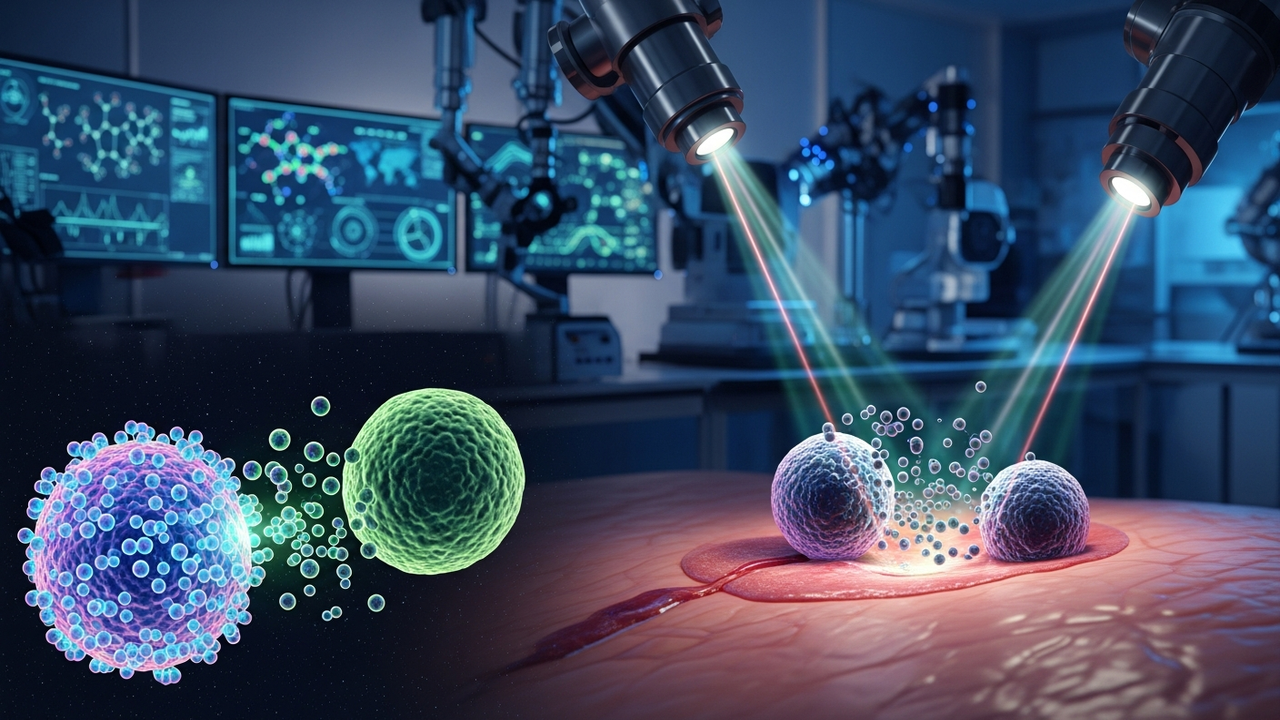
The innovative treatment leverages specially engineered nanomaterials that become active upon exposure to specific wavelengths of light. When applied directly to the wound site and illuminated, these nanomaterials precisely target and neutralize antibiotic-resistant bacteria. Crucially, they also effectively dismantle protective bacterial biofilms, which are a major barrier to healing and a source of antibiotic resistance. This dual action not only eliminates pathogens but also creates an optimal environment for accelerated natural wound regeneration, as evidenced in preclinical models.
Background & Context
The escalating crisis of antibiotic resistance poses a significant global health threat, rendering many infections, particularly chronic wound infections, extremely difficult to manage. Existing treatments are often inadequate, leading to prolonged suffering and compromised patient quality of life. This nanotechnology-driven approach sidesteps the limitations of conventional antibiotics by employing a distinct photophysical mechanism to combat bacteria. Unlike systemic antibiotics, its localized action minimizes the risk of widespread side effects and contributes to the broader effort to mitigate antibiotic resistance.
Strategic Significance & Outlook
The compelling results from animal studies pave the way for human clinical trials, offering a beacon of hope for millions suffering from intractable wounds. Successful translation of this technology could drastically reduce healthcare costs associated with prolonged wound care and enhance public health outcomes globally. Beyond direct wound treatment, the underlying principles may extend to various antibacterial applications, including medical device coatings and broader infection control strategies, marking a significant advancement in nanomedicine.
Source: https://www.sciencedaily.com/releases/2026/06/260618114402.htm
Get our weekly technology intelligence — free
Receive an infographic that lets you judge at a glance whether each field’s analysis report is worth reading.
Subscribe Free — Weekly Tech Intelligence
By subscribing, you’ll receive Troy-Technical’s weekly technology intelligence newsletter.
- Your email and selected fields are used only to deliver the newsletter.
- We never share your information with third parties.
- You can unsubscribe anytime via the link in each email.
See our Privacy Policy for details.
Takes about a minute · Unsubscribe anytime