Background
Current diagnostic methods for viral infections predominantly rely on laboratory-based tests such as PCR, which often entail significant turnaround times and present challenges for rapid, on-site diagnosis. Wearable virus sensors could revolutionize this landscape by enabling rapid screening during pandemics and continuous monitoring of specific populations. Furthermore, real-time monitoring of neurotransmitters is critical for diagnosing and treating neuropsychiatric disorders, yet existing methods are largely invasive. The wearable electrochemical biosensor developed by Professor Kameoka’s team is poised to significantly contribute to personalized treatment strategies by offering more detailed physiological data while simultaneously reducing patient burden.
Key Findings
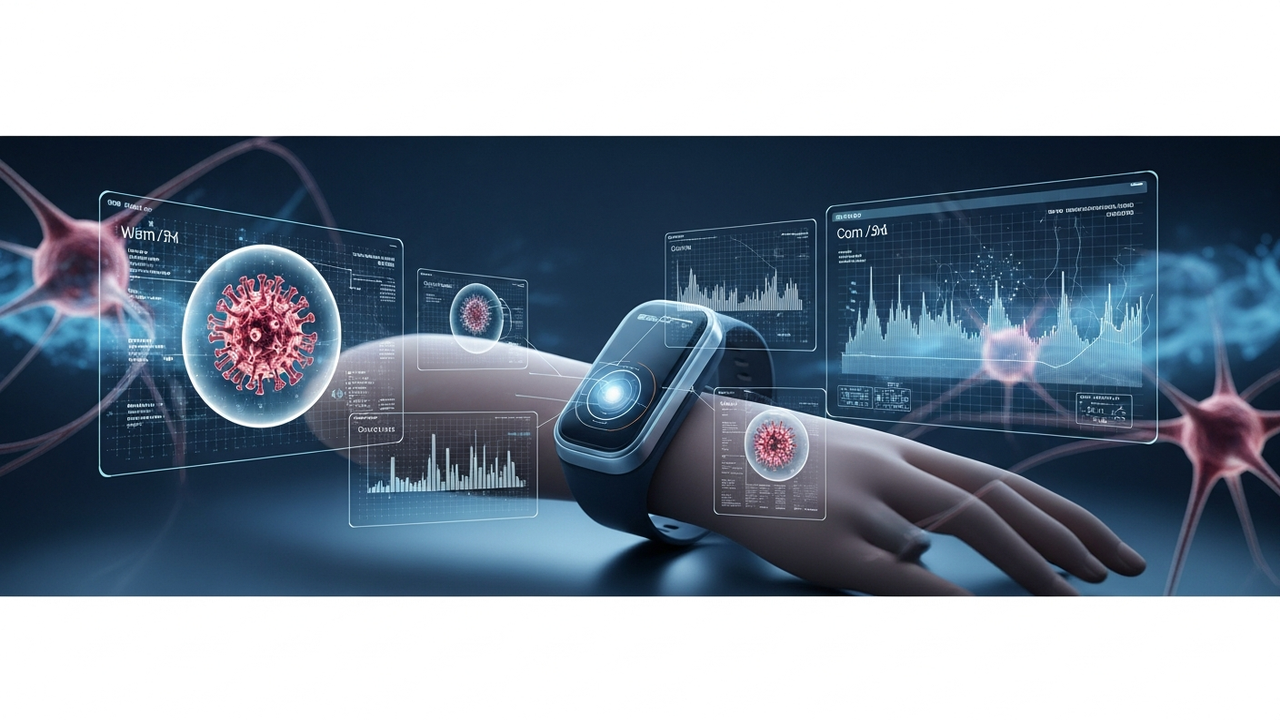
Associate Professor Jun Kameoka’s laboratory at Waseda University is at the forefront of developing innovative wearable sensor technologies, focusing on two critical domains: virus infection monitoring and neurotransmitter detection. Their advancements include a novel paper-based virus sensor for infection detection and a highly sensitive wearable electrochemical biosensor for serotonin measurement in interstitial fluid, both poised to open new avenues in medical diagnostics and personalized medicine.
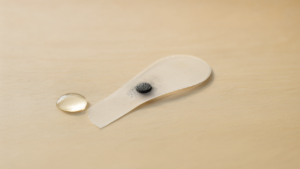
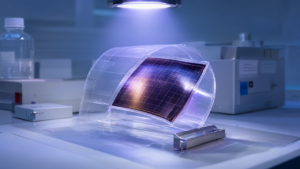
The wearable paper-based virus sensor for infection monitoring ingeniously combines molecularly imprinted polymer (MIP) technology with conductive polyaniline polymers to specifically and efficiently detect viral particles. Laboratory tests have demonstrated the sensor’s capability to recognize lentiviruses with a low detection limit of 4181 TU/mL. Furthermore, it achieves an aerosol detection efficiency ranging from 0.33% to 2.90% and exhibits excellent long-term stability in dry conditions, suggesting broad applicability across various environments. The MIP technology functions as an ‘artificial antibody’ for target viruses, ensuring high selectivity and minimal false positives.
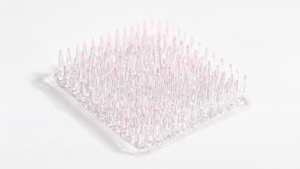
Concurrently, the wearable electrochemical biosensor for interstitial fluid serotonin detection offers a real-time, less-invasive alternative to traditional blood tests for diagnosing and monitoring neuropsychiatric and mood disorders. This sensor can electrochemically detect subtle changes in serotonin concentrations in body fluids, holding the potential to objectively assess an individual’s physiological state and stress levels.
Strategic Significance & Outlook
Professor Kameoka’s lab aims to further optimize and clinically validate these nascent wearable sensor technologies. The paper-based virus sensor targets broader application to other pathogens, including influenza and COVID-19 viruses. Meanwhile, the interstitial fluid serotonin sensor’s next phase will focus on evaluating its efficacy in clinical trials for neuropsychiatric disorders such as depression and anxiety. If successfully commercialized, these technologies could profoundly impact the early detection and containment of infectious diseases and significantly improve the quality of life for individuals with mental health conditions, thereby forging new frontiers in telemedicine and personalized healthcare delivery.
Source: https://w-rdb.waseda.jp/html/100003445_en.html
Get our weekly technology intelligence — free
Receive an infographic that lets you judge at a glance whether each field’s analysis report is worth reading.
Subscribe Free — Weekly Tech Intelligence
By subscribing, you’ll receive Troy-Technical’s weekly technology intelligence newsletter.
- Your email and selected fields are used only to deliver the newsletter.
- We never share your information with third parties.
- You can unsubscribe anytime via the link in each email.
See our Privacy Policy for details.
Takes about a minute · Unsubscribe anytime