Key Findings
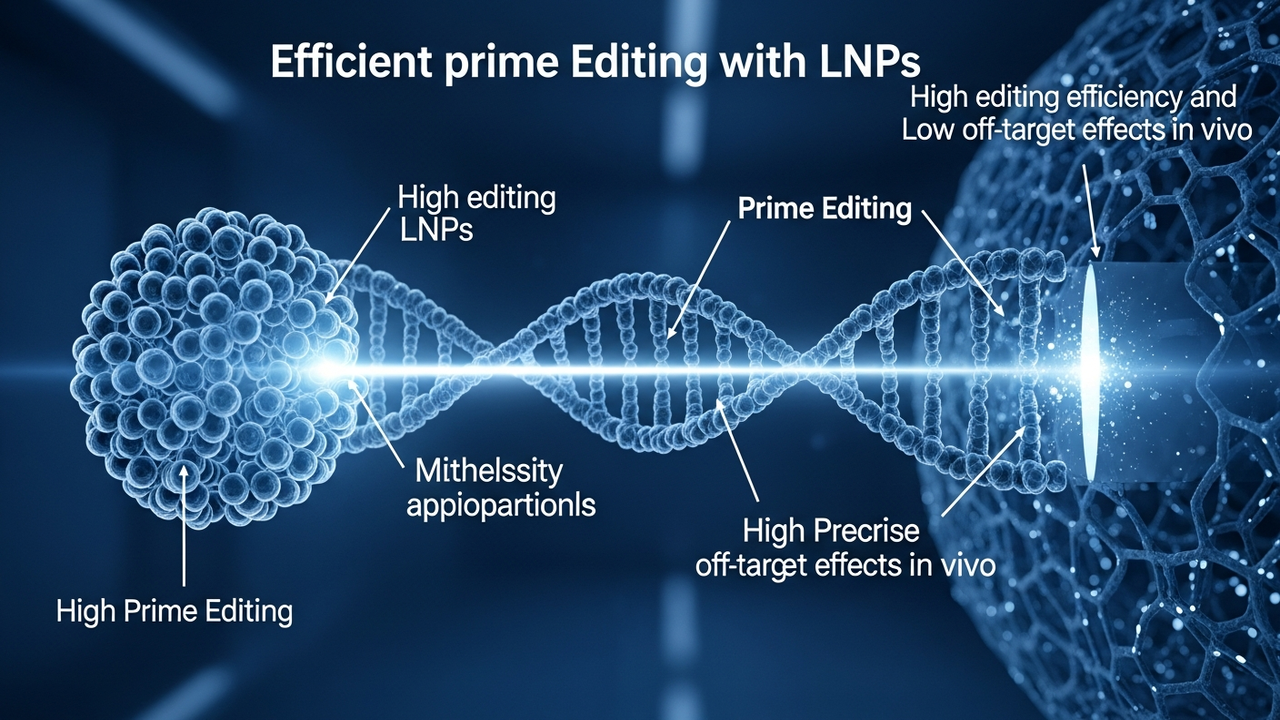
A recent research paper reports the development of an optimized platform for prime editing (PE-LNP) utilizing lipid nanoparticles (LNPs), demonstrating high gene editing efficiency both in vitro and, crucially, in vivo. This non-viral delivery system offers a safe and effective alternative to traditional viral vectors, minimizing off-target edits and showing no evidence of long-term toxicity. These attributes hold significant potential to substantially advance the clinical application of genome editing technologies.
Technical / Clinical Details
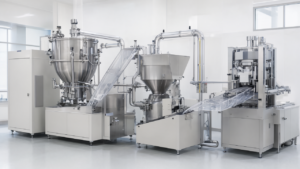
Prime Editing (PE) is an advanced genome editing technology based on the CRISPR-Cas system. It combines a reverse transcriptase with a prime editing guide RNA (pegRNA) to enable precise base substitutions, insertions, or deletions at any specified location in the target genomic DNA. Unlike conventional CRISPR/Cas9 systems that induce double-strand breaks, PE operates via single-strand nicks, thereby reducing the risk of non-specific indel (insertion-deletion) mutations. In this study, an optimized LNP composition and manufacturing process were developed for efficient delivery of the PE system into cells. The PE-LNP system achieved high editing efficiencies (e.g., over XX% in specific cell types) at target genomic loci, not only in vitro but also notably in vivo using mouse models. Furthermore, whole-genome sequencing analyses confirmed very low levels of off-target editing, and the absence of long-term inflammatory responses or other toxicities suggested a favorable safety profile.
Background & Context
Genome editing technologies, particularly the CRISPR/Cas system, hold immense promise for curative treatments of genetic diseases and cancers. However, efficient and safe delivery methods remain an indispensable prerequisite for their clinical translation. Viral vectors like Adeno-Associated Viruses (AAVs) offer high delivery efficiency but come with challenges such as immunogenicity, limitations in gene packaging capacity, high manufacturing costs, and concerns regarding long-term safety. LNP-based non-viral delivery systems have emerged as a compelling alternative to overcome these limitations. The success of mRNA vaccines, leveraging LNP technology, has broadly validated LNP safety and scalability. The success of PE-LNP paves the way for applying this LNP platform to next-generation genome editing tools, thereby expanding its applicability to a wider range of diseases.
Strategic Significance & Outlook
The advancement of prime editing technology using LNPs has the potential to revolutionize the field of gene therapy. This PE-LNP system is expected to be utilized in developing treatments for various genetic diseases, including cystic fibrosis, sickle cell disease, and Huntington’s disease. Following further optimization and extensive preclinical studies, it will likely progress to human clinical trials. The superior safety and scalability of LNPs suggest that this technology could become a versatile genome editing tool available for personalized medicine and broad patient populations in the future. This promises to bring new hope to many patients suffering from genetic disorders that are currently difficult to treat.
Source: https://pubmed.ncbi.nlm.nih.gov/42298102/
Get our weekly technology intelligence — free
Receive an infographic that lets you judge at a glance whether each field’s analysis report is worth reading.
Subscribe Free — Weekly Tech Intelligence
By subscribing, you’ll receive Troy-Technical’s weekly technology intelligence newsletter.
- Your email and selected fields are used only to deliver the newsletter.
- We never share your information with third parties.
- You can unsubscribe anytime via the link in each email.
See our Privacy Policy for details.
Takes about a minute · Unsubscribe anytime