Key Findings
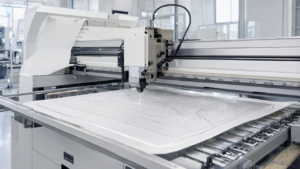
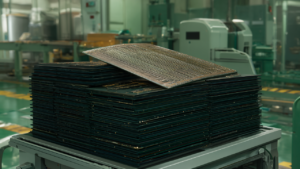
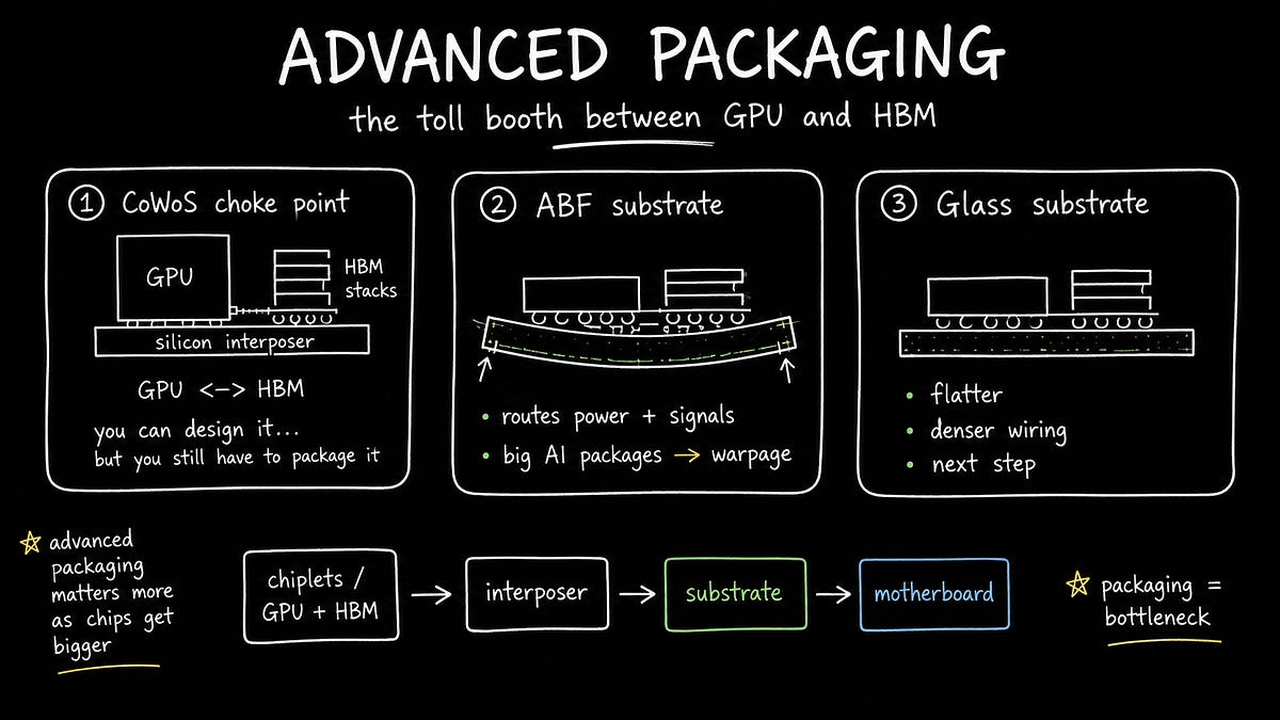
The explosive growth of AI and the consequent demand for high-performance chips have positioned advanced packaging as a decisive bottleneck in the semiconductor supply chain. Currently, TSMC’s CoWoS (Chip on Wafer on Substrate) capacity is effectively dictating the pace of global AI infrastructure development. However, a next-generation technology poised to break this bottleneck—glass core substrates—is gaining significant traction. Intel is already making strides to lead this domain, investing over $1 billion in its Arizona-based glass R&D line, with ambitions for high-volume production between 2026 and 2030.
Technical & Economic Details
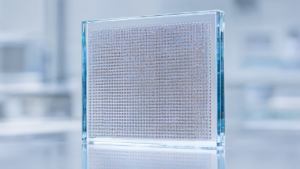
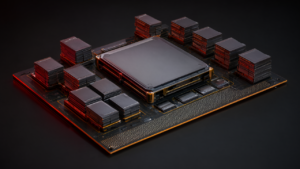
TSMC’s CoWoS technology is essential for integrating multiple HBM (High Bandwidth Memory) stacks and logic dies, maximizing the performance of AI accelerators. Its supply remains constrained, with an estimated 40,000 CoWoS wafers shipped per month by the end of 2024, projected to expand to 75,000 per month in 2025. In contrast, glass core substrates offer several technical advantages over traditional organic substrates, including superior dimensional stability, lower coefficient of thermal expansion (CTE), and the ability to fabricate finer wiring patterns. These characteristics promise higher interconnect density, improved power delivery networks, and superior thermal management, expected to push the performance limits of future AI and HPC chips. Intel’s investment exceeding $1 billion underscores its commitment to establishing mass production capabilities for glass substrates, aiming to secure long-term market leadership.
Background & Context
The performance enhancement of AI chips increasingly depends not just on transistor count but also on inter-chip and intra-chip data transfer speeds and power efficiency. Advanced packaging serves as a crucial means to address these challenges, and its bottleneck status could potentially limit the growth of the entire AI industry. Glass substrates are being actively researched and developed across the semiconductor industry as a promising solution to these challenges. Intel’s strategy involves not only integrating glass substrates into its product roadmap but also driving technological innovation across the supply chain to foster an open ecosystem.
Strategic Significance & Outlook
Intel’s substantial investment in glass core substrates and its target for high-volume production by 2026-2030 have the potential to revolutionize the future of semiconductor packaging. As glass substrate technology matures and mass production scales, it is expected to significantly enhance AI chip performance and reduce costs, thereby accelerating the broader adoption of AI technologies. However, persistent challenges such as glass brittleness, the development of scalable Through-Glass Via (TGV) formation processes, and ensuring compatibility with existing supply chains will require continuous R&D and industry-wide collaboration. Glass core substrates are undoubtedly a technology to watch, poised to define next-generation semiconductors in the AI era.
Source: https://www.infrastartups.com/p/advanced-packaging-the-toll-booth
Get our weekly technology intelligence — free
Receive an infographic that lets you judge at a glance whether each field’s analysis report is worth reading.
Subscribe Free — Weekly Tech Intelligence
By subscribing, you’ll receive Troy-Technical’s weekly technology intelligence newsletter.
- Your email and selected fields are used only to deliver the newsletter.
- We never share your information with third parties.
- You can unsubscribe anytime via the link in each email.
See our Privacy Policy for details.
Takes about a minute · Unsubscribe anytime