Key Findings
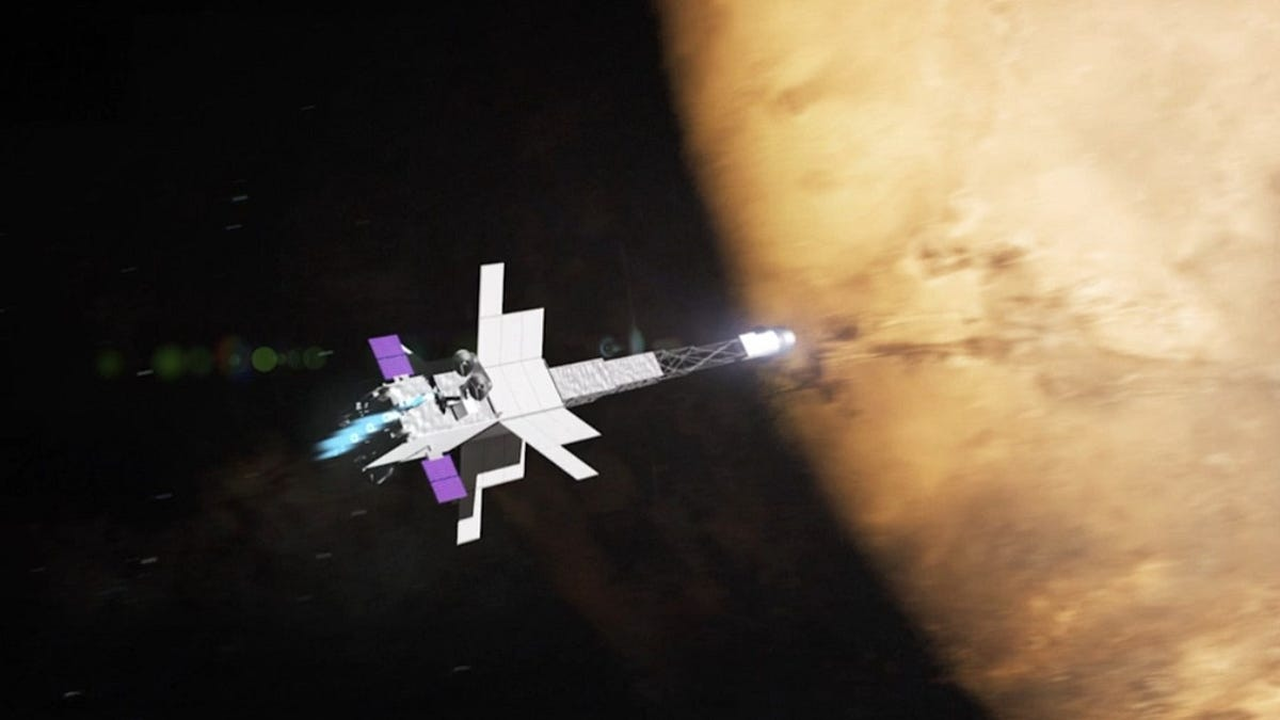
NASA is making significant strides in advancing nuclear electric propulsion (NEP) systems, with plans to launch Space Reactor 1 (SR-1) ‘Freedom’ to demonstrate a nuclear reactor powering electric thrusters. This technology is a cornerstone for enabling faster, more efficient missions to Mars and other deep-space destinations.
Technical / Clinical Details
The nuclear electric propulsion system leverages a fission reactor to generate substantial electrical power, which then drives highly efficient electric thrusters (such as ion or Hall thrusters). Unlike traditional chemical rockets that rely on high-thrust, low-efficiency burns, NEP provides continuous, low-thrust acceleration over long durations, leading to significantly higher specific impulse (fuel efficiency) and reduced transit times for long-distance missions. The SR-1 ‘Freedom’ mission aims to be one of the first in-space demonstrations of a fission reactor for propulsion purposes. A new partnership between the University of Alabama in Huntsville and NASA’s Marshall Space Flight Center is accelerating the design, testing, and eventual deployment of this complex, high-power system.
Background & Context
Current chemical propulsion systems present considerable challenges for manned Mars missions, including extended travel times, increased radiation exposure for astronauts, and significant logistical requirements for propellant. NEP offers a transformative solution by drastically cutting travel times and allowing for larger payloads, making human exploration of Mars more feasible. While Radioisotope Thermoelectric Generators (RTGs) have a proven track record for deep-space probes, their power output is limited. Fission reactor-based systems are necessary to provide the much higher power levels required for human-scale missions and more ambitious scientific endeavors beyond Earth’s orbit.
Strategic Significance & Outlook
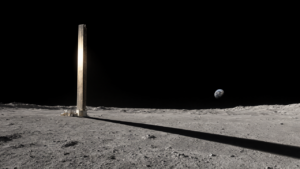
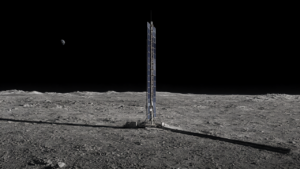
The successful demonstration of SR-1 ‘Freedom’ will unlock unprecedented capabilities for NASA, not only for human missions to Mars but also for advanced scientific probes to the outer solar system. This technological leap will expand the frontiers of space exploration, dramatically increasing humanity’s reach and operational flexibility in space. Furthermore, space nuclear power is also being developed for potential use as a reliable power source for future lunar and Martian bases, highlighting its multifaceted strategic importance for long-term space colonization and resource utilization.
Source: https://horizonhighlights.substack.com/p/nasas-nuclear-propulsion-systems
Get our weekly technology intelligence — free
Receive an infographic that lets you judge at a glance whether each field’s analysis report is worth reading.
Subscribe Free — Weekly Tech Intelligence
By subscribing, you’ll receive Troy-Technical’s weekly technology intelligence newsletter.
- Your email and selected fields are used only to deliver the newsletter.
- We never share your information with third parties.
- You can unsubscribe anytime via the link in each email.
See our Privacy Policy for details.
Takes about a minute · Unsubscribe anytime