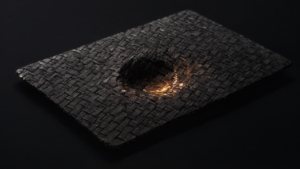
Scientists have engineered a groundbreaking superhydrophobic organosilane sol-gel coating that dramatically extends the durability of concrete structures, with real-world validation showing sustained performance over 21 months on monuments in Lithuania. This innovative coating achieves exceptional superhydrophobicity, characterized by a static contact angle of 160° and a sliding angle below 5°, setting a new benchmark for long-term efficacy compared to conventional coating technologies.
Technical / Clinical Details
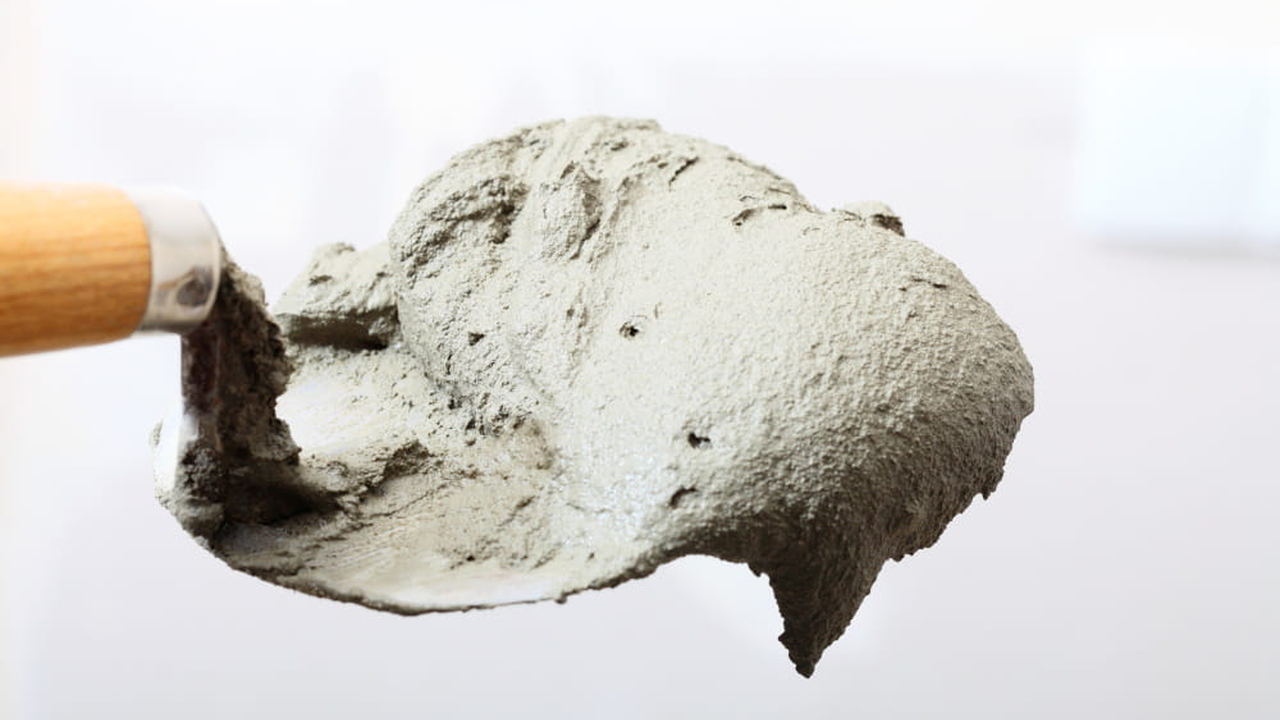
- The developed organosilane sol penetrates deep into the microscopic pores of concrete, forming robust chemical bonds with the cement matrix. This mechanism ensures extraordinary durability and enhanced resistance against surface abrasion and delamination, effectively sealing the concrete from environmental degradation.
- Beyond water, the coating demonstrates superior repellency against corrosive liquids across a broad pH spectrum. This is crucial for protecting concrete from acidic rain, alkaline contaminants, and other chemical attacks, thereby preserving structural integrity.
- The extended field test on Lithuanian monuments provided critical data on performance under genuine climatic conditions. The maintenance of the initial superhydrophobic properties after 21 months underscores the material’s high practical utility and reliability in harsh outdoor environments.
Background & Context
Concrete, the most widely used construction material globally, faces significant challenges from moisture penetration, freeze-thaw cycles, and chemical corrosion, which severely compromise its durability. These issues lead to shorter infrastructure lifespans and substantial repair and maintenance costs. Existing hydrophobic coatings have often suffered from short effective durations or performance degradation under specific environmental conditions.
Strategic Significance & Outlook
This organosilane sol-gel coating technology holds immense potential for application across various concrete structures, including buildings, bridges, tunnels, and water treatment facilities, promising to significantly extend their operational life and reduce maintenance expenses. It offers a sustainable and economically viable solution, particularly vital for preserving historical structures and addressing aging infrastructure globally. The research team is committed to further optimizing the material and developing large-scale production techniques to accelerate its practical implementation.
Get our weekly technology intelligence — free
Receive an infographic that lets you judge at a glance whether each field’s analysis report is worth reading.
Subscribe Free — Weekly Tech Intelligence
By subscribing, you’ll receive Troy-Technical’s weekly technology intelligence newsletter.
- Your email and selected fields are used only to deliver the newsletter.
- We never share your information with third parties.
- You can unsubscribe anytime via the link in each email.
See our Privacy Policy for details.
Takes about a minute · Unsubscribe anytime