Key Findings
The ‘60% rule’ concerning critical minerals, proposed by the G7 nations, holds the potential to fundamentally reshape global supply chains, particularly impacting raw material procurement strategies within the battery industry. This new policy aims to significantly reduce excessive reliance on any single country, thereby promoting diversification and strengthening the resilience of supply chains.
Technical Details
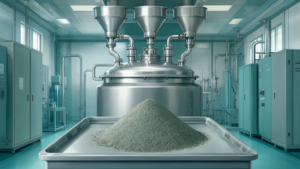
The ‘60% rule’ mechanism encourages countries sourcing more than 60% of their critical minerals from a single nation to diversify their supply. This initiative will accelerate the identification of new supply sources and recycling pathways for essential battery minerals such as lithium, cobalt, nickel, and rare earths. Technically, this necessitates innovation in beneficiation and refining technologies to integrate varying qualities of materials from multiple sources, as well as the development of sustainable mining and processing methods. Furthermore, the implementation of digital traceability systems is expected to ensure transparency from the point of origin to the final product.
Background & Context
The current global critical mineral supply chain is highly concentrated in a few countries, notably China, which creates geopolitical vulnerabilities and risks of supply disruptions. With the explosive growth in demand for critical minerals, driven by the proliferation of electric vehicles (EVs) and renewable energy technologies, this supply chain concentration has become a significant concern for national economic security. The G7’s ‘60% rule’ is a strategic response to this situation, aiming to diversify supply risks and build a more equitable and sustainable global supply chain.
Strategic Significance & Outlook
The introduction of this ‘60% rule’ will strongly compel battery manufacturers and automakers to reassess their raw material procurement strategies. In the short term, it may necessitate identifying new supply partners and re-evaluating existing supplier contracts. In the long term, it is expected to accelerate mineral development in domestic and allied countries, enhance recycling capabilities, and foster the adoption of new technologies, thereby building a more distributed and resilient supply chain ecosystem. This will allow the global clean energy transition to proceed on a more stable foundation, less susceptible to geopolitical risks.
Source: https://skillings.net/g7s-critical-minerals-firewall-the-60-rule-reshaping-supply-chains/
Get our weekly technology intelligence — free
Receive an infographic that lets you judge at a glance whether each field’s analysis report is worth reading.
Subscribe Free — Weekly Tech Intelligence
By subscribing, you’ll receive Troy-Technical’s weekly technology intelligence newsletter.
- Your email and selected fields are used only to deliver the newsletter.
- We never share your information with third parties.
- You can unsubscribe anytime via the link in each email.
See our Privacy Policy for details.
Takes about a minute · Unsubscribe anytime