Key Findings
Sila Nanotechnologies has initiated legal actions with the U.S. International Trade Commission (ITC) and a District Court to safeguard its innovation in American battery technology. This legal move clearly highlights the critical importance of intellectual property (IP) in advanced battery development, including the company’s groundbreaking silicon anode technology.
Technical Details
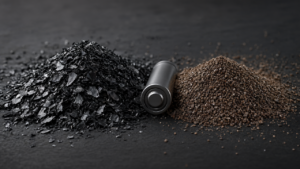
Sila Nanotechnologies is a pioneer in silicon anode technology, which significantly boosts battery energy density. Compared to traditional graphite anodes, silicon anodes can theoretically store over ten times more lithium ions, extending the range of electric vehicles (EVs) and improving the battery life of electronic devices. However, silicon’s large volume changes during charge/discharge cycles have posed a technical challenge for stabilization. Sila has overcome this by using nanoscale designs and proprietary material processing, developing silicon anodes that combine high durability with high energy density. This lawsuit is seen as a defense against the alleged unauthorized imitation or use of this core technology.
Background & Context
The U.S. government is pursuing a national strategy to bolster domestic battery manufacturing capabilities to accelerate EV adoption and the clean energy transition. This strategy requires substantial R&D investment alongside a robust legal framework to protect innovative technologies developed by domestic companies. As competition intensifies in the global battery market, with Chinese companies holding a significant advantage, IP protection has become more crucial than ever for U.S. companies to maintain their technological edge. The ITC plays a vital role in protecting U.S. industries from unfairly imported products.
Strategic Significance & Outlook
The lawsuit filed by Sila Nanotechnologies could set a precedent for the importance of intellectual property protection in the U.S. battery industry. The outcome of this litigation will influence future corporate strategies in the battery technology development race. If successful, it is expected that U.S. battery innovation will be more securely nurtured, and the technological leadership of U.S. companies will be strengthened in the international competitive landscape. In the long term, this will promote the widespread adoption of high-performance batteries, contributing to sustainable mobility and energy storage solutions.
Get our weekly technology intelligence — free
Receive an infographic that lets you judge at a glance whether each field’s analysis report is worth reading.
Subscribe Free — Weekly Tech Intelligence
By subscribing, you’ll receive Troy-Technical’s weekly technology intelligence newsletter.
- Your email and selected fields are used only to deliver the newsletter.
- We never share your information with third parties.
- You can unsubscribe anytime via the link in each email.
See our Privacy Policy for details.
Takes about a minute · Unsubscribe anytime