Key Findings
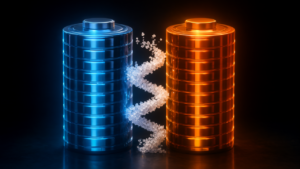
A groundbreaking, environmentally friendly direct recycling technology has been unveiled for recovering lithium from spent electric vehicle (EV) batteries. This innovative direct recycling method achieves significantly higher lithium recovery rates and substantially reduces the overall environmental footprint compared to traditional hydrometallurgical processes. This breakthrough holds immense potential to accelerate technological advancements at leading recycling companies such as Redwood Materials and Li-Cycle.
Technical Details
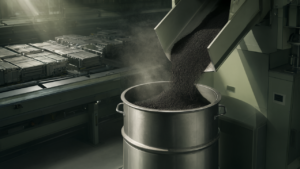
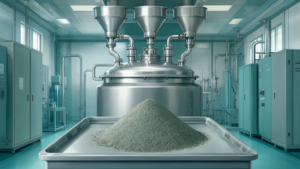
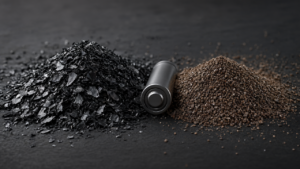
Current battery recycling methods typically involve a combination of pyrometallurgy and hydrometallurgy, which face limitations in recovery rates, environmental concerns due to acid and organic solvent usage, and high energy consumption. The direct recycling technology developed in this research, published in Green Chemistry, involves physically separating and pulverizing cathode and anode materials from discharged and disassembled spent batteries, followed by direct extraction and purification of active materials under specific conditions. This process effectively recovers not only lithium but also other critical metals like cobalt, nickel, and manganese. For lithium recovery, in particular, this method bypasses the challenges of achieving high purity and the energy-intensive processes associated with conventional hydrometallurgy. While specific numerical improvements are not given in the summary, the emphasis on “higher recovery rates” and “reduced environmental impact” signifies a substantial improvement. This advancement is pivotal for promoting circular resource economy in battery materials and dramatically enhancing supply chain sustainability.
Background & Context
With the widespread adoption of EVs, a massive volume of spent batteries is projected to accumulate over the coming decades. Efficient and environmentally conscious recovery of critical metals such as lithium, cobalt, and nickel from these batteries is an urgent imperative for resource sustainability and national security. Stringent regulations like the EU Battery Regulation further mandate higher recycling rates. Direct recycling technology is globally recognized as one of the most promising solutions to these challenges.
Strategic Significance & Outlook
Commercialization of this new technology will necessitate the construction of large-scale processing plants and validation of its applicability across diverse battery chemistries (e.g., the growing segment of LFP batteries). Companies like Redwood Materials and Li-Cycle are already investing heavily in large-scale recycling facilities. If this new direct recovery technique can be integrated into their existing or future processes, it will significantly boost the efficiency and sustainability of the battery recycling industry. Ultimately, this technology is expected to stabilize the supply of lithium and other critical metals, forming a foundational support for the sustained growth of the electric vehicle and renewable energy sectors.
Source: #
Get our weekly technology intelligence — free
Receive an infographic that lets you judge at a glance whether each field’s analysis report is worth reading.
Subscribe Free — Weekly Tech Intelligence
By subscribing, you’ll receive Troy-Technical’s weekly technology intelligence newsletter.
- Your email and selected fields are used only to deliver the newsletter.
- We never share your information with third parties.
- You can unsubscribe anytime via the link in each email.
See our Privacy Policy for details.
Takes about a minute · Unsubscribe anytime