Key Findings
Challenges and solutions concerning the streamlining of PBMC (peripheral blood mononuclear cell) processing in multi-site clinical trials have been detailed, demonstrating potential to bridge the translational gap in drug discovery. Standardized PBMC processing is essential for ensuring the quality and reliability of cell therapies.
Technical / Clinical Details
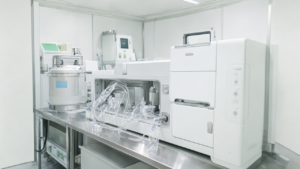
The article highlights key challenges in multi-site PBMC processing, including variability in collection methods, reduced cell viability during transport, and discrepancies across processing facilities. To address these issues, solutions such as standardized collection kits, temperature-controlled shipping containers, and automated cell isolation and cryopreservation systems are proposed. Particularly in cell therapy development, where the quality of the final product heavily depends on PBMC quality, consistency and reproducibility of protocols are paramount. The article emphasizes that implementing real-time monitoring and stringent quality control metrics can significantly enhance data consistency and reliability.
Background & Context
With advancements in cell and gene therapies, clinical trials are becoming increasingly complex, with multi-center collaborations becoming common. However, the lack of standardization in processing biological samples, especially sensitive ones like PBMCs, has led to variability in results and reproducibility issues, severely hindering drug development efficiency. The translational gap in drug discovery refers to the barriers encountered in moving research findings from basic science to clinical application, and optimizing PBMC processing is a critical component in closing this gap.
Strategic Significance & Outlook
Standardization and optimization of PBMC processing will directly contribute to shortening the clinical development timeline and improving the success rate of cell therapies. This will enable new treatments to reach patients more rapidly and contribute to the advancement of personalized medicine. In the future, the integration of AI-driven automation systems and biomarker analysis is expected to further enhance the interpretation and utilization of PBMC data.
Source: #
Get our weekly technology intelligence — free
Receive an infographic that lets you judge at a glance whether each field’s analysis report is worth reading.
Subscribe Free — Weekly Tech Intelligence
By subscribing, you’ll receive Troy-Technical’s weekly technology intelligence newsletter.
- Your email and selected fields are used only to deliver the newsletter.
- We never share your information with third parties.
- You can unsubscribe anytime via the link in each email.
See our Privacy Policy for details.
Takes about a minute · Unsubscribe anytime