Background
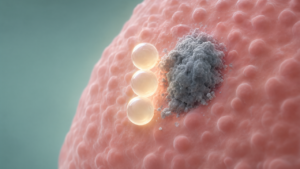
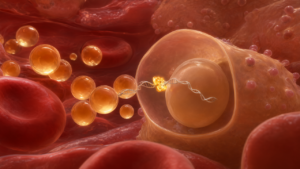
Current standard treatments for brain tumors, particularly glioblastoma (GBM)—the most aggressive primary brain tumor—yield a grim prognosis, underscoring an urgent need for novel therapeutic strategies. A formidable obstacle to effective neuro-oncology is the blood-brain barrier (BBB). While crucial for neural protection, the BBB severely restricts the entry of most small-molecule drugs and biological agents into the central nervous system (CNS). Exosomes, naturally evolved as intercellular communication vehicles, offer inherent advantages like high biocompatibility and low immunogenicity. Crucially, their demonstrated ability to traverse the BBB positions them as a groundbreaking solution to what has long been considered the ‘holy grail’ of drug delivery in neuro-oncology.
Key Findings
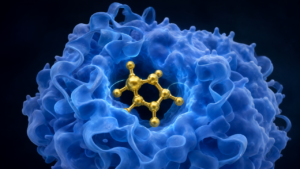
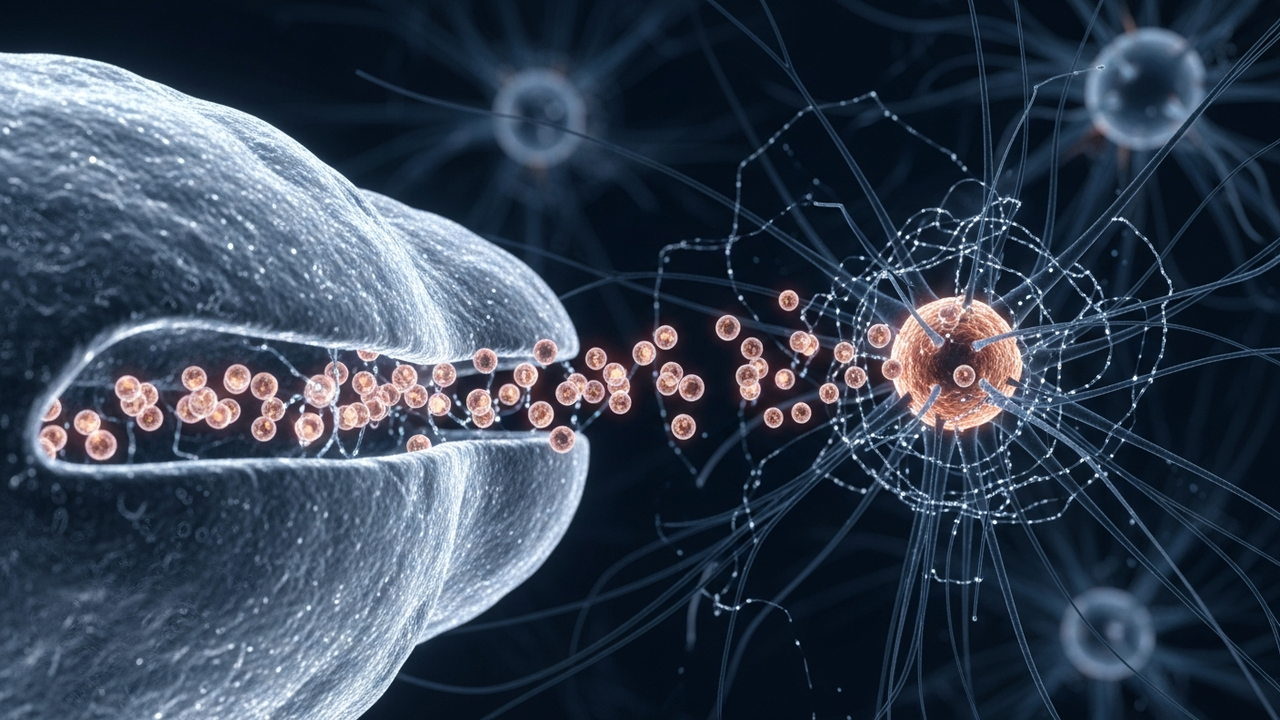
Genetically engineered exosomes are emerging as a transformative approach to overcome the formidable blood-brain barrier (BBB), a major impediment to treating central nervous system (CNS) diseases, especially brain tumors. These naturally derived nanoparticles are highly promising vehicles, demonstrating the capacity to efficiently traverse the BBB and deliver a diverse array of therapeutic molecules—including small-molecule drugs, RNA, proteins, and advanced gene-editing systems—directly into brain tissue.
This novel strategy involves understanding and leveraging the molecular mechanisms of exosome biogenesis and their BBB transport. Key advancements include sophisticated cargo engineering strategies to precisely load therapeutic molecules and innovative methods for specific tumor targeting within the brain. For glioblastoma (GBM), for instance, exosome surfaces can be modified to bind specific receptors on GBM cells, or anti-cancer drugs and gene-editing tools can be encapsulated, enabling selective delivery to tumor sites previously inaccessible to conventional therapies.
While engineered exosomes hold immense potential for precision neuro-oncology, significant translational challenges remain. These include developing effective combination therapies and imaging platforms, establishing scalable and reproducible manufacturing and purification techniques, optimizing donor cell selection, and navigating complex regulatory classifications and clinical trial designs. Future efforts will focus on enhancing cargo loading efficiency and targeting specificity, alongside standardizing large-scale manufacturing processes. Successfully addressing these hurdles will position engineered exosomes as a crucial platform for accelerating the development of new, more effective therapies for brain tumors and other CNS disorders.
Get our weekly technology intelligence — free
Receive an infographic that lets you judge at a glance whether each field’s analysis report is worth reading.
Subscribe Free — Weekly Tech Intelligence
By subscribing, you’ll receive Troy-Technical’s weekly technology intelligence newsletter.
- Your email and selected fields are used only to deliver the newsletter.
- We never share your information with third parties.
- You can unsubscribe anytime via the link in each email.
See our Privacy Policy for details.
Takes about a minute · Unsubscribe anytime