Key Findings
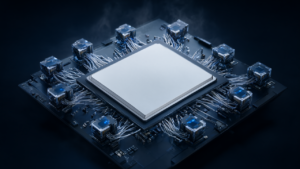
Optical computing is emerging as one of the most promising approaches to overcome the energy consumption and data processing latency bottlenecks faced by traditional electronic devices. In this context, Chinese researchers have proposed a groundbreaking “Digital Twin Optical Computing System (DT-OCS)”. This system enables AI programs to run on a virtual light-based computer system constructed within a real “digital twin” PC environment. This innovation aims to resolve a major challenge of conventional optical computing systems, which are constrained by their reliance on direct access to physical optical hardware and its limited availability. The DT-OCS is designed as a highly reproducible, accessible, and scalable software resource, transforming optical computing from a specialized, device-dependent resource into a widely shareable and reproducible research platform.
Technical / Clinical Details
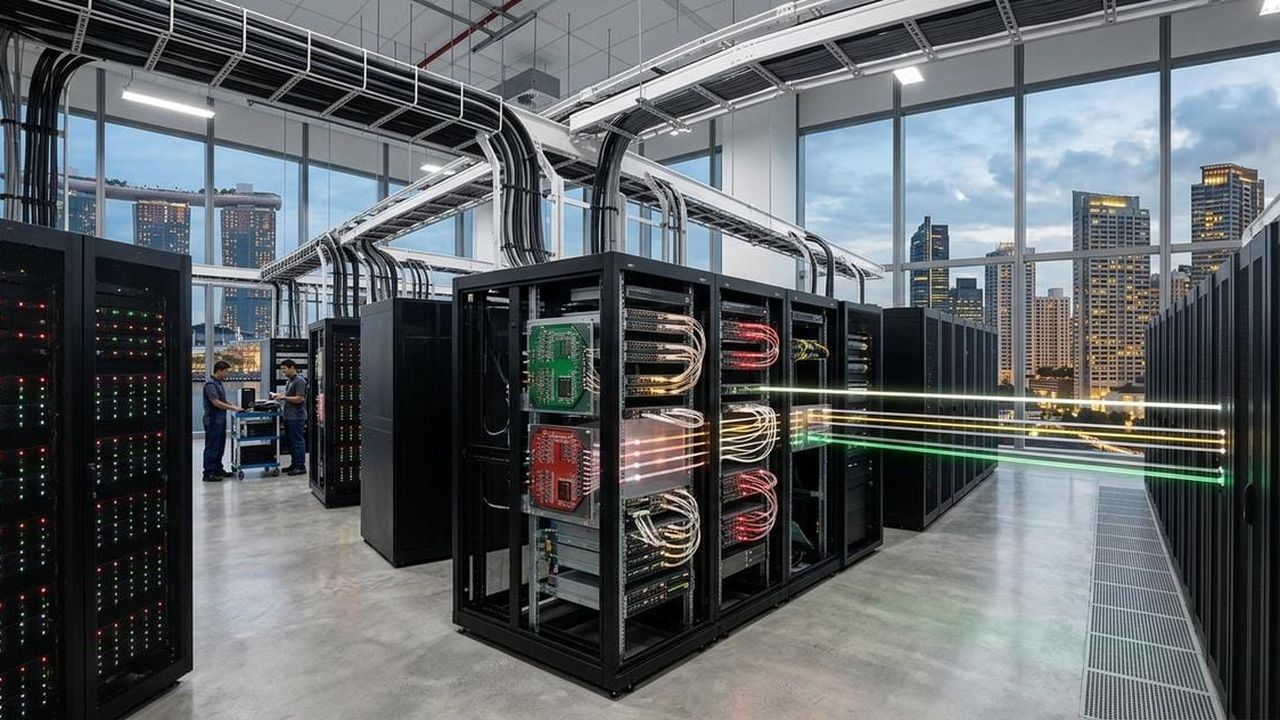
The DT-OCS is built upon digital twin technology, which accurately models and simulates the behavior of physical optical computing systems. In this virtual environment, photons, instead of electrons, transmit and process information via waveguides, optical fibers, and photonic circuits. This system addresses problems inherent in traditional optical computing, such as the need for expensive dedicated hardware, the complexity of physical setups, and access restrictions. Researchers can now develop and test optical computing algorithms and architectures through DT-OCS without requiring actual hardware. This accelerates the development cycle and allows more researchers to explore the potential of optical computing. This technology is particularly crucial given that modern data centers, AI accelerators, and high-performance computing (HPC) workloads consume significant power merely by moving data between memory, processors, and network interfaces.
Background & Context
The rapid advancement of AI and machine learning has dramatically increased demands for computational power and data processing speed. However, traditional electronic computing faces physical limitations such as heat generation, power consumption, and interconnect latency. Optical computing, by utilizing photons as information carriers, inherently possesses the potential to overcome these bottlenecks. Until now, its implementation has relied on costly specialized hardware and complex optical system construction. The proposal of DT-OCS by Chinese researchers represents a significant step towards democratizing and popularizing optical computing, with the potential to profoundly impact the entire research and development community.
Strategic Significance & Outlook
The success of DT-OCS will fundamentally alter the landscape of optical computing R&D. It will enable faster and more cost-effective exploration of new optical computing architectures and algorithms without physical constraints. This could shorten the path to commercialization for optical computing and accelerate innovation in fields such as AI, deep learning, and quantum computing. DT-OCS is expected to overcome scalability and accessibility challenges facing optical technology, forming a foundation to foster a collaborative research environment where a broader range of scientists and engineers can contribute to this innovative field. Ultimately, it will contribute to the realization of energy-efficient, more powerful computing systems.
Get our weekly technology intelligence — free
Receive an infographic that lets you judge at a glance whether each field’s analysis report is worth reading.
Subscribe Free — Weekly Tech Intelligence
By subscribing, you’ll receive Troy-Technical’s weekly technology intelligence newsletter.
- Your email and selected fields are used only to deliver the newsletter.
- We never share your information with third parties.
- You can unsubscribe anytime via the link in each email.
See our Privacy Policy for details.
Takes about a minute · Unsubscribe anytime