Background
The global automotive industry is rapidly accelerating its shift towards electrification, with battery technology at the core of competitive differentiation. Current lithium-ion battery technology is approaching its performance limits, and challenges related to fluctuating material costs and concentrated resource availability persist. Against this backdrop, automakers and battery suppliers are forging unprecedented collaborations to expedite the development and manufacturing readiness of next-generation battery technologies. Major players like Tesla, Volkswagen, and Toyota are actively pursuing technological leadership through in-house development and investments in innovative startups.
Key Findings
According to the latest industry trend analysis, the future of electric vehicle (EV) batteries is entering a new era, primarily driven by solid-state batteries (SSBs) and sodium-ion batteries. These next-generation technologies promise transformative improvements over current lithium-ion batteries, particularly in terms of safety, range, and charging speed. The focus on increased energy density, reduced fire risk, and ultra-fast charging capabilities is highlighted as a critical factor in accelerating global EV adoption.
Technical Details
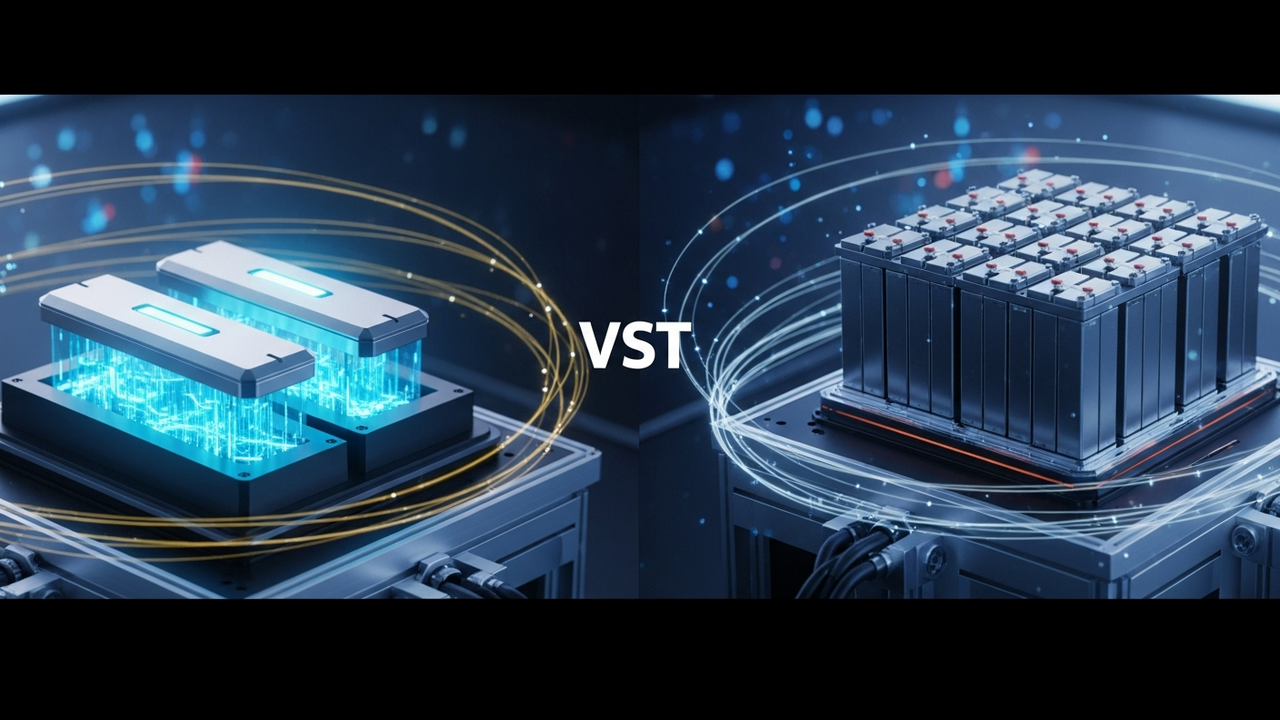
- Solid-State Batteries (SSBs): By replacing liquid electrolytes with solid counterparts, SSBs inherently offer significantly enhanced safety, eliminating risks of leakage and thermal runaway. They are also expected to achieve much higher energy densities, potentially exceeding 300-400 Wh/kg, by enabling the use of high-voltage and high-capacity electrode materials. This advancement will substantially extend EV range, reducing reliance on extensive charging infrastructure.
- Sodium-Ion Batteries: Utilizing abundant and cheaper sodium instead of lithium dramatically lowers battery manufacturing costs and mitigates supply chain risks. While their energy density is generally lower than lithium-ion, sodium-ion batteries excel in low-temperature performance and can support ultra-fast charging, making them attractive for short-range EVs and stationary energy storage applications.
- Ultra-Fast Charging Technologies: Innovations in electrolyte and separator materials, combined with the adoption of solid-state architectures, are bringing the vision of EVs fully charged in mere minutes closer to reality. This capability would mirror the refueling experience of gasoline cars, addressing one of the most significant barriers to widespread EV adoption.
Strategic Significance & Outlook
The commercialization of solid-state and sodium-ion batteries has the potential to revolutionize not only the EV market but also broader energy infrastructures, including the integration of renewable energy and the development of smart grids. Crucially, improvements in safety and performance will bolster consumer confidence in EVs, serving as a powerful catalyst for increased adoption. It is projected that as these technologies enter mass production and hit the market in the coming years, EV performance and cost-efficiency will improve dramatically, accelerating the realization of a sustainable mobility society.
Source: #
Get our weekly technology intelligence — free
Receive an infographic that lets you judge at a glance whether each field’s analysis report is worth reading.
Subscribe Free — Weekly Tech Intelligence
By subscribing, you’ll receive Troy-Technical’s weekly technology intelligence newsletter.
- Your email and selected fields are used only to deliver the newsletter.
- We never share your information with third parties.
- You can unsubscribe anytime via the link in each email.
See our Privacy Policy for details.
Takes about a minute · Unsubscribe anytime