Key Findings
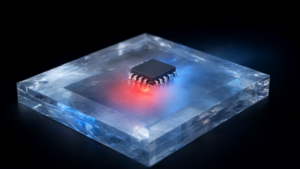
The U.S. Department of Energy (DOE), through its “Photovoltaics Research and Development 2: Modules and Systems (PVRD2)” project, is intensely focused on researching innovative encapsulant and edge sealing technologies that hold the potential to dramatically improve the long-term durability and reliability of thin-film photovoltaic (PV) modules. This concerted effort is designed to mitigate performance degradation of PV modules under harsh environmental conditions, thereby extending their operational lifespan. A core objective is to achieve a profound understanding of layer formation mechanisms during encapsulation and the evolution of material properties, interfacial behaviors, and overall module performance under accelerated testing regimes, establishing a robust foundation for next-generation PV technology development.
Technical / Clinical Details
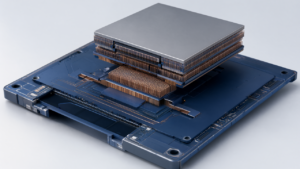
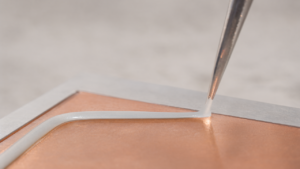
The PVRD2 project places significant emphasis on optimizing the chemical composition and physical properties of novel encapsulant materials. This includes exploring advanced polymer and composite materials engineered to enhance resistance against moisture ingress, thermal stress, and UV degradation. Concurrently, edge sealing technologies are being developed to effectively prevent the penetration of moisture and contaminants from module edges, which is crucial for overall module reliability. Fraunhofer USA Inc., a key partner, is investigating non-penetrating adhesive attachment interfaces for securing conventional framed glass modules to asphalt shingles. This innovative approach eliminates the need for direct roof penetration, thereby reducing installation costs and improving waterproofing performance, enhancing the versatility and safety of PV system installations.
Background & Context
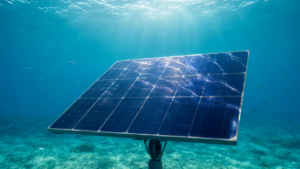
While solar power continues its global expansion as a vital renewable energy source, the durability and long-term reliability of PV modules remain critical challenges. Thin-film PV modules, despite offering advantages such as lightweight, flexibility, and lower manufacturing costs, are particularly susceptible to degradation from external environmental factors. Traditional encapsulants and sealing techniques often struggle to prevent the ingress of moisture and oxygen and to withstand thermal stresses caused by temperature fluctuations, leading to material damage within the module and subsequent performance decline or failure. This project directly addresses these issues, aiming to provide foundational technologies that will enable broader market acceptance and deployment of advanced thin-film PV technologies.
Strategic Significance & Outlook
The novel encapsulant and edge sealing technologies emerging from the DOE’s PVRD2 project are poised to substantially elevate the performance and reliability of thin-film PV modules, consequently improving the cost-effectiveness and sustainability of solar energy. The deeper scientific understanding derived from long-term empirical data will provide indispensable guidance for future PV product design. Furthermore, innovative installation technologies, such as the non-penetrating adhesive attachment interface developed by Fraunhofer USA Inc., promise to simplify installations and reduce costs, accelerating the global adoption of solar power. These advancements represent crucial steps toward supporting the worldwide transition to clean energy.
Get our weekly technology intelligence — free
Receive an infographic that lets you judge at a glance whether each field’s analysis report is worth reading.
Subscribe Free — Weekly Tech Intelligence
By subscribing, you’ll receive Troy-Technical’s weekly technology intelligence newsletter.
- Your email and selected fields are used only to deliver the newsletter.
- We never share your information with third parties.
- You can unsubscribe anytime via the link in each email.
See our Privacy Policy for details.
Takes about a minute · Unsubscribe anytime