Key Findings
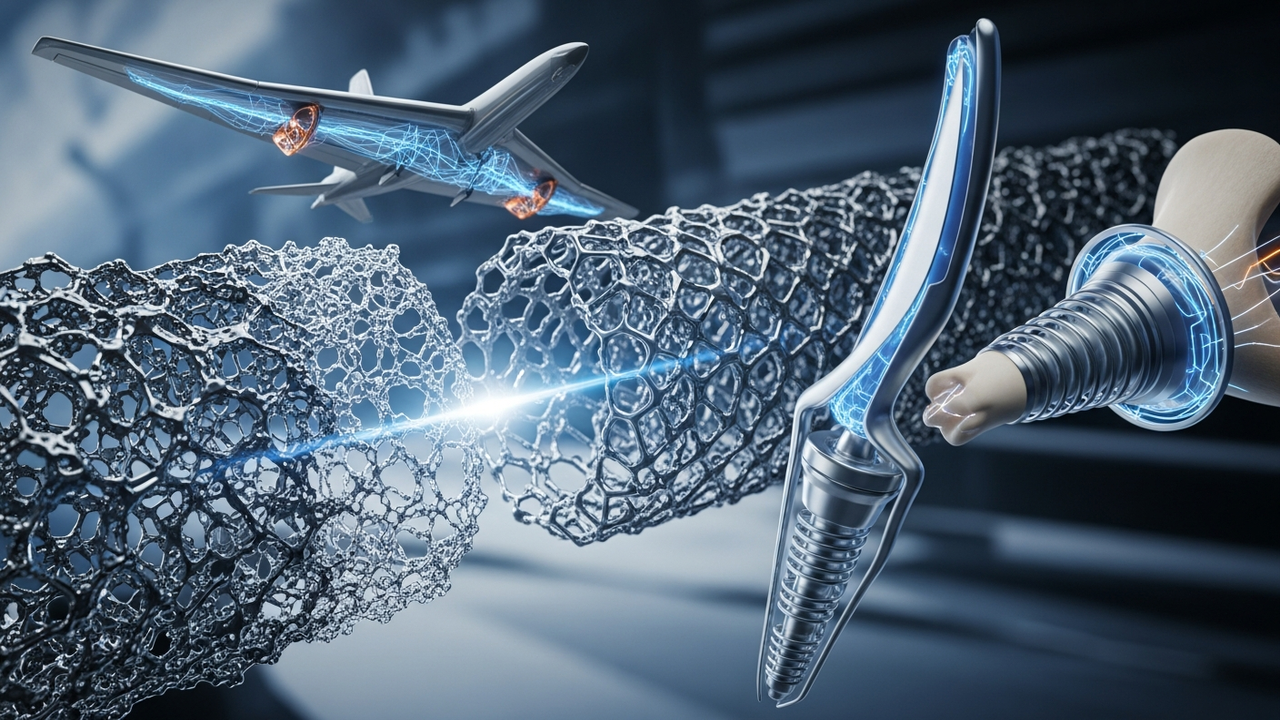
Shape Memory Alloys (SMAs) are rapidly evolving as foundational technologies for next-generation engineering solutions in both aerospace and biomedical engineering, driven by their unique adaptive capabilities, lightweight properties, and intelligent material characteristics. As of 2026, SMAs are playing a pivotal role in enabling innovative functionalities previously unattainable with conventional materials in these critical sectors.
Technical / Clinical Details
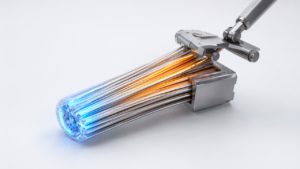
Shape Memory Alloys possess unique properties, notably the shape memory effect, where they return to a pre-set shape upon heating or cooling, and superelasticity, where they recover their original shape after significant deformation. These properties are predominantly exhibited by alloys such as nickel-titanium (NiTi, commonly known as Nitinol). Currently, SMAs are utilized in specific applications as follows:
- Aerospace Sector:
- Structural Flexibility: Applied in morphing wings and adaptive structures to optimize wing shapes according to flight conditions, contributing to reduced drag and improved fuel efficiency.
- Vibration Control: Absorbing and damping unwanted vibrations in aircraft structures, thereby extending fatigue life and enhancing passenger comfort.
- Lightweight Actuation: Serving as lightweight, high-output actuators for deploying landing gear and controlling flight surfaces, replacing traditional hydraulic or electric motors and reducing system complexity.
- Biomedical Sector:
- Precision and Biocompatibility: Widely used in medical devices that activate with body temperature, such as self-expanding stents, intravascular catheters, orthodontic wires, and bone fixation plates. Nitinol, in particular, boasts excellent biocompatibility, minimizing the risk of rejection within the body.
- Minimally Invasive Functionality: Enabling less invasive surgical procedures by allowing devices to be inserted through small incisions and then recover their original shape at body temperature, thereby accelerating patient recovery.
These applications demonstrate how SMAs are unlocking new possibilities in material design and revolutionizing their respective fields. Ongoing research aims for further improvements in fatigue resistance, response speed, and temperature control range.
Background & Context
In the aerospace industry, fuel efficiency, safety, and durability are constant paramount concerns. SMAs are considered ideal materials for addressing these challenges by providing high functionality alongside lightweight properties. Concurrently, the biomedical sector faces growing demand for minimally invasive treatments and the development of more patient-friendly medical devices. SMAs offer powerful solutions to these needs, thanks to their biocompatibility and ability to react to subtle environmental changes within the body, such as temperature. The evolution of SMAs in both sectors represents not just material advancement but a potential fundamental transformation of design philosophies and therapeutic paradigms within these industries.
Strategic Significance & Outlook
Research and development in shape memory alloys are expected to accelerate, leading to the creation of higher-performance and more diverse alloy compositions. Future advancements are anticipated in expanding temperature response ranges, improving fatigue life, and developing materials with more complex shape memory functionalities. In aerospace, applications in smart skins and self-healing structures are envisioned, while in biomedicine, SMAs could be used in drug delivery systems and neural interfaces. SMAs are fully transitioning from experimental materials to indispensable foundational technologies for next-generation engineering solutions in these fields, with broader industrial applications expected over the coming decades. Their progress will play a crucial role in enhancing our quality of life and pushing technological boundaries.
Source: https://ijoer.com/blog/shape-memory-alloys-2026-sma-systems-in-aerospace-biomedical-applications
Get our weekly technology intelligence — free
Receive an infographic that lets you judge at a glance whether each field’s analysis report is worth reading.
Subscribe Free — Weekly Tech Intelligence
By subscribing, you’ll receive Troy-Technical’s weekly technology intelligence newsletter.
- Your email and selected fields are used only to deliver the newsletter.
- We never share your information with third parties.
- You can unsubscribe anytime via the link in each email.
See our Privacy Policy for details.
Takes about a minute · Unsubscribe anytime