Key Findings
A recent study published in *Cell Reports Physical Science* has revealed that sodium-ion batteries from Chinese manufacturer Hina possess unexpected production quality and design features that closely rival those of Tesla’s lithium-ion batteries. This surprising discovery suggests that sodium-ion technology could emerge as a viable and lower-cost alternative for future electric vehicles (EVs) and large-scale energy storage systems (ESS), potentially accelerating its mainstream adoption.
Technical Details
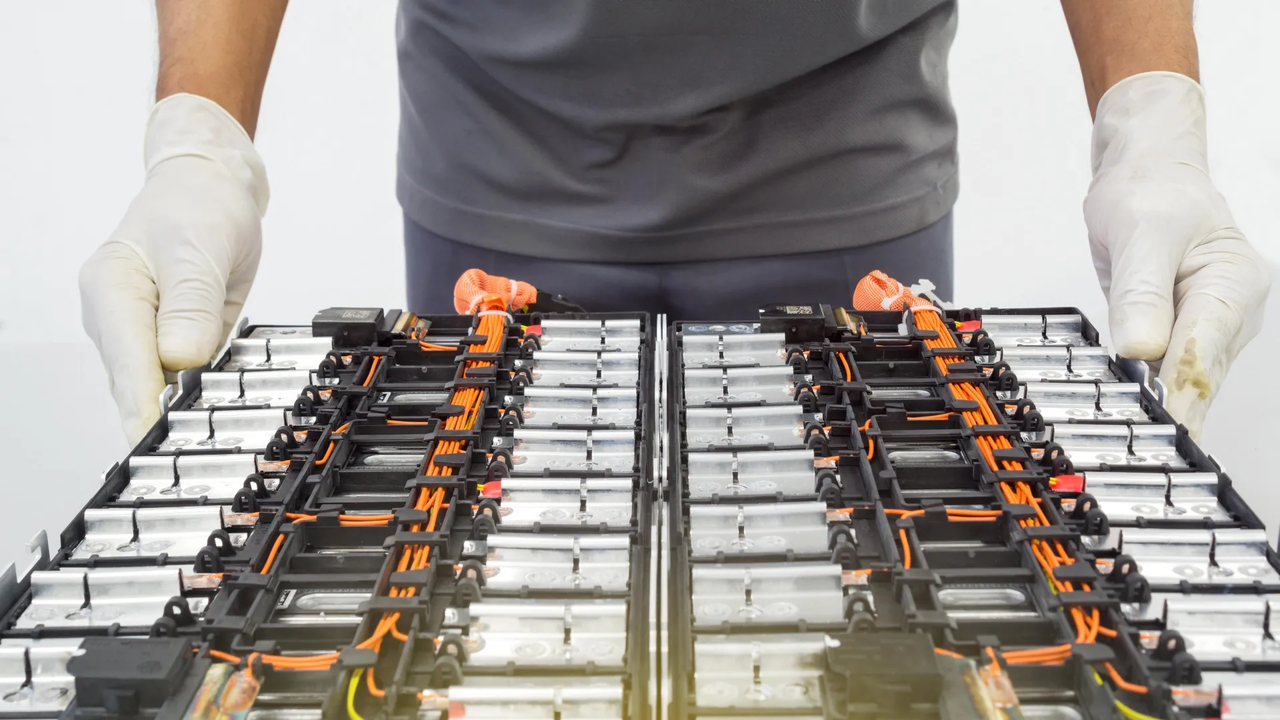
The research, which involved testing 120 Hina sodium-ion cells, identified a sophisticated tabless, double-aluminum current-collector design. This innovative architecture, remarkably similar to that found in Tesla’s high-performance lithium batteries, is critical for reducing electrical resistance and promoting uniform heat distribution throughout the cell. The cells exhibited excellent consistency and high power capability, performing effectively within a wide temperature range of -20°C to 45°C. This robust performance makes them particularly attractive for applications demanding high power output and reliability, such as stationary grid storage and commercial transportation. However, the study also pointed out areas requiring further development, specifically improvements in cold-weather charging efficiency and overall energy density, to fully compete with advanced lithium-ion chemistries in all segments.
Background & Context
Sodium-ion batteries leverage the abundant global supply of sodium, which is vastly more plentiful than lithium, offering significant advantages in raw material cost and supply chain stability. As concerns about lithium scarcity and price volatility grow, sodium-ion technology has garnered increasing global attention, particularly from leading Chinese battery manufacturers like CATL, which are already planning mass production and integration into EVs and large-scale ESS. Hina’s achievement is particularly noteworthy as it demonstrates that sodium-ion batteries are not merely a lower-performance substitute but are rapidly closing the gap with established high-performance lithium-ion technologies, marking a critical step towards energy security and diversification of battery chemistries.
Strategic Significance & Outlook
The comparable design quality and performance metrics achieved by Hina’s sodium-ion cells could dramatically accelerate their deployment, especially in markets where cost-effectiveness and supply resilience are paramount. If ongoing research successfully addresses the remaining challenges in low-temperature performance and energy density, sodium-ion batteries are poised to capture significant market share in segments like urban EVs, commercial fleets, and grid-scale storage. This technological leap by Hina could reshape global battery industry dynamics, fostering a more diversified and robust energy storage landscape where multiple battery chemistries co-exist, each optimized for specific applications.
Source: https://www.sciencedaily.com/releases/2026/06/260621060305.htm
Get our weekly technology intelligence — free
Receive an infographic that lets you judge at a glance whether each field’s analysis report is worth reading.
Subscribe Free — Weekly Tech Intelligence
By subscribing, you’ll receive Troy-Technical’s weekly technology intelligence newsletter.
- Your email and selected fields are used only to deliver the newsletter.
- We never share your information with third parties.
- You can unsubscribe anytime via the link in each email.
See our Privacy Policy for details.
Takes about a minute · Unsubscribe anytime