Key Findings
Sila Nanotechnologies has initiated legal actions against Carbon One New Energy Co., Ltd. (C-ONE), a Chinese battery anode materials manufacturer, with the U.S. International Trade Commission (ITC) and in a parallel federal district court. The objective of these lawsuits is to vigorously protect Sila’s foundational intellectual property concerning its flagship silicon anode technology, “Titan Silicon,” and to prevent the unauthorized importation of infringing silicon-carbon (Si/C) anode materials and related downstream products into the United States market.
Litigation Details and Technical Significance
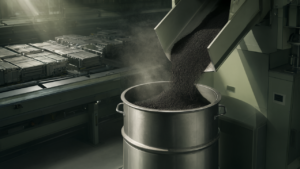
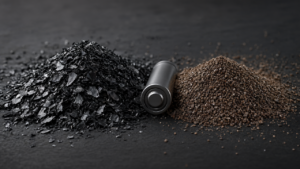
Sila alleges that C-ONE is importing silicon-carbon (Si/C) anode materials and downstream products that infringe upon its patents into the US. The actions, including a “Section 337” complaint at the ITC and parallel federal district court litigation, seek import exclusion orders and other remedies against these infringing products. Sila’s Titan Silicon technology represents a significant advancement over traditional graphite anodes, offering substantially higher energy density. This innovation dramatically enhances battery performance in electric vehicles (EVs) and consumer electronics by enabling faster charging speeds, extending vehicle range or operating times, and improving overall battery longevity. The company operates the first gigawatt-hour scale silicon anode production facility in Moses Lake, Washington, underscoring its commitment to domestic manufacturing. This legal action is therefore positioned as crucial for safeguarding American battery innovation and its domestic manufacturing base.
Background & Industry Context
With the rapid expansion of the electric vehicle market, improving battery performance is a paramount concern for the entire industry. Specifically, enhancing energy density and reducing charging times are key factors for accelerating EV adoption among consumers. Technology that incorporates silicon into anode materials holds the potential to surpass the theoretical capacity limits of graphite, establishing it as a leading trend in next-generation battery development. However, overcoming challenges such as silicon’s significant volume expansion during cycling requires advanced technical expertise, which pioneering companies like Sila have developed over many years of research and development. The rapid follow-on by Chinese companies highlights the critical importance of intellectual property protection in technological innovation.
Strategic Significance & Outlook
Sila’s legal actions will undoubtedly underscore the importance of intellectual property rights protection within the silicon anode technology sector. The outcome of these lawsuits will significantly influence the competitive landscape and innovation incentives in the next-generation battery materials market. As the US government prioritizes domestic manufacturing and clean energy technologies, such IP protection efforts are essential for strengthening the US battery supply chain and maintaining a leading position in advanced technology. Sila’s Titan Silicon technology is expected to continue solidifying its status as a core innovation that enhances EV performance and accelerates the future of electrification.
Get our weekly technology intelligence — free
Receive an infographic that lets you judge at a glance whether each field’s analysis report is worth reading.
Subscribe Free — Weekly Tech Intelligence
By subscribing, you’ll receive Troy-Technical’s weekly technology intelligence newsletter.
- Your email and selected fields are used only to deliver the newsletter.
- We never share your information with third parties.
- You can unsubscribe anytime via the link in each email.
See our Privacy Policy for details.
Takes about a minute · Unsubscribe anytime