Background
Europe is aggressively pursuing ambitious decarbonization targets, accelerating the deployment of intermittent renewable energy sources like solar and wind power. This rapid transition, however, presents new challenges for maintaining grid stability and operational efficiency. Specifically, renewable energy curtailment—where production exceeds demand—and localized grid congestion lead to wasted costs and hinder the pace of the energy transition. Long-duration energy storage (LDES) technologies have long been anticipated as cost-effective solutions to these challenges, providing the capability to store surplus energy for extended periods and release it when needed. This latest report by Eurelectric and AFRY provides a strong message that LDES has now reached a technically and economically feasible stage, warranting a more central role in European energy policy and investment.
Key Findings and Technical Details
The comprehensive report by Eurelectric and AFRY underscores the growing viability of innovative long-duration energy storage (LDES) technologies, including iron-air batteries, compressed air energy storage (CAES), and liquid air energy storage (LAES), as critical flexibility options within European power markets. The analysis projects that each gigawatt (GW) of LDES capacity could generate between €150 million and €250 million in annual variable operating cost savings.
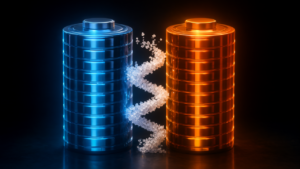
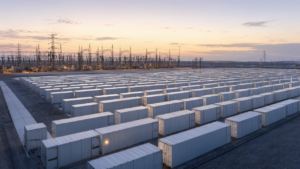
These LDES technologies are poised to play a crucial role in Europe by significantly reducing renewable energy curtailment, alleviating network congestion, and enhancing long-term system flexibility. While pumped-storage hydropower remains the dominant storage technology in Europe, newer LDES solutions designed for storage durations exceeding eight hours are gaining traction as scalable and diverse alternatives. Iron-air batteries, for instance, utilize inexpensive and abundant materials, offering multi-day energy storage capabilities. CAES systems provide large-scale storage capacity, serving as an alternative to geographically constrained pumped-hydro facilities. Similarly, LAES stores surplus renewable electricity as liquefied air, generating power when needed. These technologies collectively provide essential capabilities to manage the inherent variability of renewable energy sources and significantly stabilize power supply across the continent.
Strategic Impact and Outlook
The full integration of LDES technologies into Europe’s energy mix will profoundly enhance electricity market flexibility, robustly supporting the achievement of ambitious renewable energy deployment targets. The projected operational cost savings will also contribute to stabilizing consumer electricity bills, a critical factor for public acceptance and economic stability. European governments are now tasked with establishing supportive regulatory frameworks and providing strategic investment incentives to accelerate the adoption and deployment of these technologies. LDES is becoming an indispensable element for boosting grid resilience and strengthening energy security, serving as a key factor for Europe to maintain its global leadership in clean energy innovation and transition.
Get our weekly technology intelligence — free
Receive an infographic that lets you judge at a glance whether each field’s analysis report is worth reading.
Subscribe Free — Weekly Tech Intelligence
By subscribing, you’ll receive Troy-Technical’s weekly technology intelligence newsletter.
- Your email and selected fields are used only to deliver the newsletter.
- We never share your information with third parties.
- You can unsubscribe anytime via the link in each email.
See our Privacy Policy for details.
Takes about a minute · Unsubscribe anytime