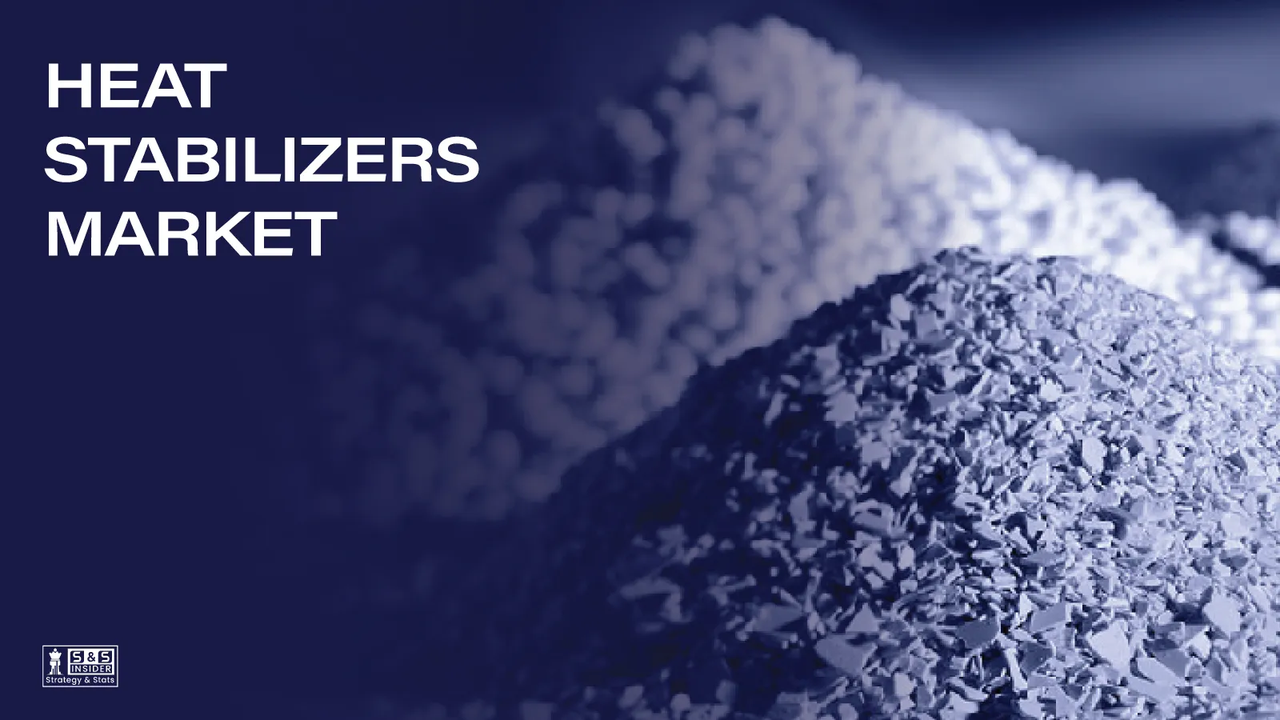
According to SNS Insider’s analysis, the heat stabilizer market, crucial for polyvinyl chloride (PVC) manufacturing and processing, is undergoing significant transformation driven by a shift towards sustainable chemistry and technological innovation. This trend is set against a backdrop of tightening environmental regulations and increasing consumer demand for eco-conscious products.
Key Findings
In the PVC heat stabilizer market, BASF is spearheading sustainability efforts through pilot projects utilizing renewable feedstocks for sustainable stabilizer systems. This initiative represents a significant move towards reducing the industry’s environmental impact. Concurrently, other leading stabilizer manufacturers, including Baerlocher, ADEKA, and Kisuma Chemicals, are actively investing in the development of eco-friendly, lead-free solutions and expanding their production capacities. This collective effort is accelerating the overall improvement of PVC product safety and sustainability.
Technical / Clinical Details
While PVC is a highly versatile plastic, it is susceptible to thermal degradation during processing, releasing hydrogen chloride gas. Heat stabilizers are indispensable additives that prevent this degradation, ensuring PVC’s processability, durability, and long-term performance. Historically, lead-based compounds were widely used as heat stabilizers, but concerns over lead toxicity have led to a global transition towards lead-free alternatives.
Current technological innovations are primarily focused on the following areas:
- Utilization of Renewable Feedstocks: BASF’s pilot project explores the feasibility of synthesizing stabilizer components from renewable resources like biomass, as opposed to conventional petroleum-derived raw materials. This aims to reduce the product’s carbon footprint and enhance its sustainability score.
- Development of Lead-Free Stabilizers: Key lead-free alternatives include calcium-zinc (Ca-Zn) systems, organotin compounds, mixed metal soaps, and organic stabilizers (ORS). These products offer performance comparable to or superior to lead-based stabilizers while complying with environmental regulations (e.g., RoHS Directive, REACH Regulation). Baerlocher is a global leader in Ca-Zn stabilizers, while ADEKA specializes in high-performance organic stabilizers. Kisuma Chemicals provides inorganic stabilizers such as hydrotalcites, contributing to the long-term stability of PVC.
- Multifunctional Stabilizers: There is a trend towards developing composite stabilizers that offer additional functionalities beyond heat stabilization, such as processing aids, lubricants, and UV absorbers. This improves the overall performance of PVC products while reducing the number of additives and simplifying formulations.
- Increased Production Capacity: In response to growing demand for environmentally friendly products, leading companies are expanding their investment in production facilities for lead-free heat stabilizers. This demonstrates a clear commitment to market growth and technological shifts.
Background & Context
The PVC industry plays a vital role across diverse sectors, including construction materials, medical devices, automotive parts, and packaging. However, regulatory scrutiny over its environmental impact, particularly concerning hazardous substances in additives, has intensified. In Europe, lead usage is restricted by the REACH Regulation, with similar movements gaining momentum in Asian countries. Against this backdrop, the transition to sustainable and safe heat stabilizers is an indispensable strategy for the continued viability and growth of the entire PVC industry.
Strategic Significance & Outlook
Continued investment and technological innovation in sustainable heat stabilizers are paramount for the PVC market’s sustained growth. By balancing environmental performance with product efficacy, PVC can potentially continue to be used in a wider range of applications. If renewable feedstock-based stabilizers are commercialized, the overall environmental footprint of PVC’s lifecycle will significantly improve, further enhancing its contribution to the circular economy. The industry as a whole is expected to accelerate its shift towards greener and safer PVC solutions.
Source: https://www.snsinsider.com/blogs/heat-stabilizers-industry
Get our weekly technology intelligence — free
Receive an infographic that lets you judge at a glance whether each field’s analysis report is worth reading.
Subscribe Free — Weekly Tech Intelligence
By subscribing, you’ll receive Troy-Technical’s weekly technology intelligence newsletter.
- Your email and selected fields are used only to deliver the newsletter.
- We never share your information with third parties.
- You can unsubscribe anytime via the link in each email.
See our Privacy Policy for details.
Takes about a minute · Unsubscribe anytime