Key Findings
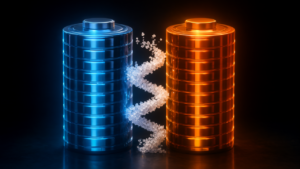
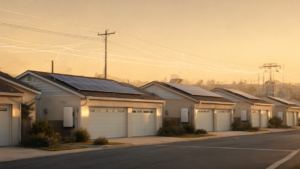
The escalating power demands of artificial intelligence (AI) facilities are placing immense strain on existing electrical grids. A promising and cost-effective solution to this challenge is emerging through the repurposing of used electric vehicle (EV) batteries, often referred to as ‘second-life batteries.’ These batteries can serve as on-site power buffers for AI data centers, contributing to grid stability and significantly reducing expensive peak-time electricity purchases.
Technical / Clinical Details
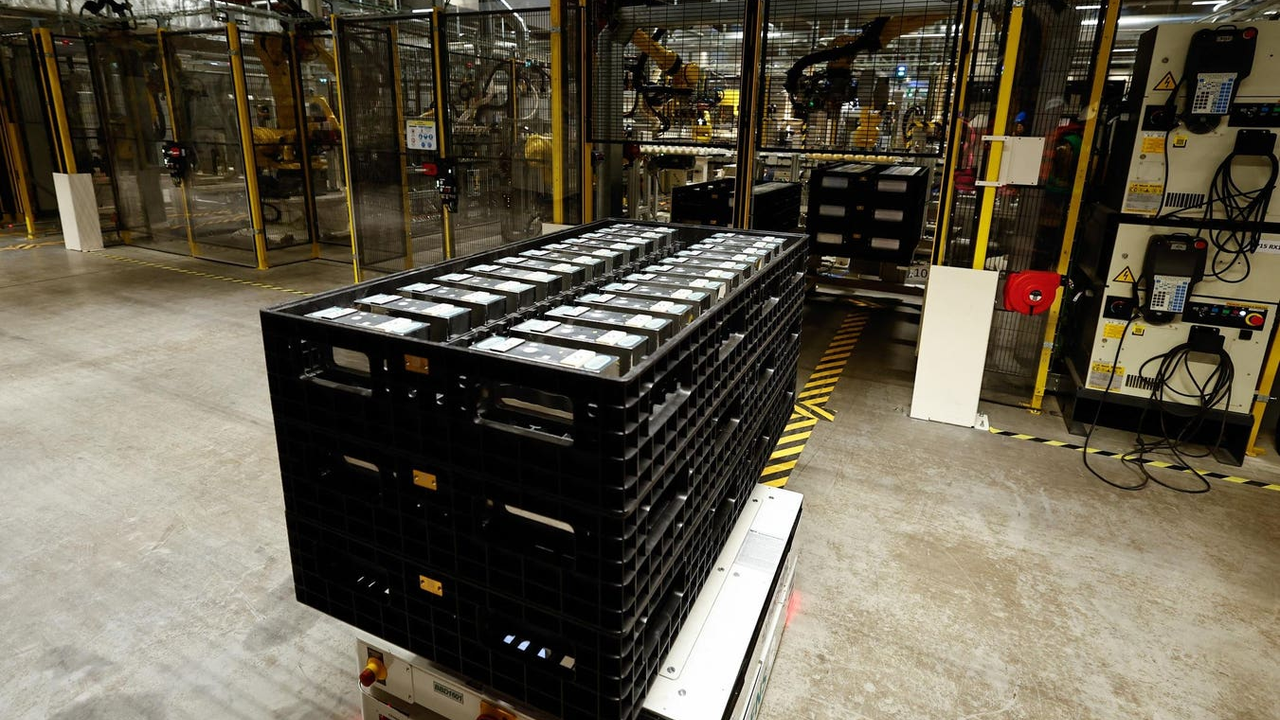
Second-life batteries, having completed their primary life cycle in EVs, retain substantial capacity suitable for stationary energy storage applications. Specifically, they can be charged during off-peak hours when electricity demand and prices are low, and then discharged during peak AI computing loads. This smooths out demand spikes from the grid, easing pressure on utilities, and allows AI facilities to manage electricity price volatility and optimize operational costs. This approach offers significant economic advantages over deploying new batteries and promotes the circular economy by recirculating valuable materials like lithium, cobalt, and nickel, thereby bolstering supply chain resilience. The EV battery recycling market is anticipated to reach approximately $6.9 billion in 2026, with substantial growth projected to $37.5 billion by 2035.
Background & Context
The exponential growth and increasing complexity of AI models have led to a dramatic surge in power consumption by AI data centers, stressing power grids globally. Building new power plants and upgrading transmission infrastructure are time-consuming and capital-intensive endeavors. Repurposing existing EV batteries offers an immediate and scalable solution to bridge this energy gap. Furthermore, a global shift towards sustainability and circular economy principles is accelerating investment in battery recycling and reuse technologies. Second-life battery capacity is forecast to expand significantly from an estimated 25-30 GWh in 2025 to 330-350 GWh by 2030, highlighting its enormous market potential.
Strategic Significance & Outlook
The application of second-life EV batteries in AI data centers creates a symbiotic relationship, benefiting both industries. The AI sector gains access to sustainable and flexible power solutions, while the EV industry maximizes the lifetime value of its battery assets. This trend is opening new frontiers for energy storage applications, contributing to the development of more efficient and resilient power systems. While challenges remain in accurately assessing the remaining capacity and health of individual second-life batteries and standardizing integration across diverse battery types, ongoing innovation is expected to address these hurdles. This strategic reuse underscores a critical pathway towards sustainable resource management and robust energy infrastructure in the age of AI.
Get our weekly technology intelligence — free
Receive an infographic that lets you judge at a glance whether each field’s analysis report is worth reading.
Subscribe Free — Weekly Tech Intelligence
By subscribing, you’ll receive Troy-Technical’s weekly technology intelligence newsletter.
- Your email and selected fields are used only to deliver the newsletter.
- We never share your information with third parties.
- You can unsubscribe anytime via the link in each email.
See our Privacy Policy for details.
Takes about a minute · Unsubscribe anytime