Key Findings
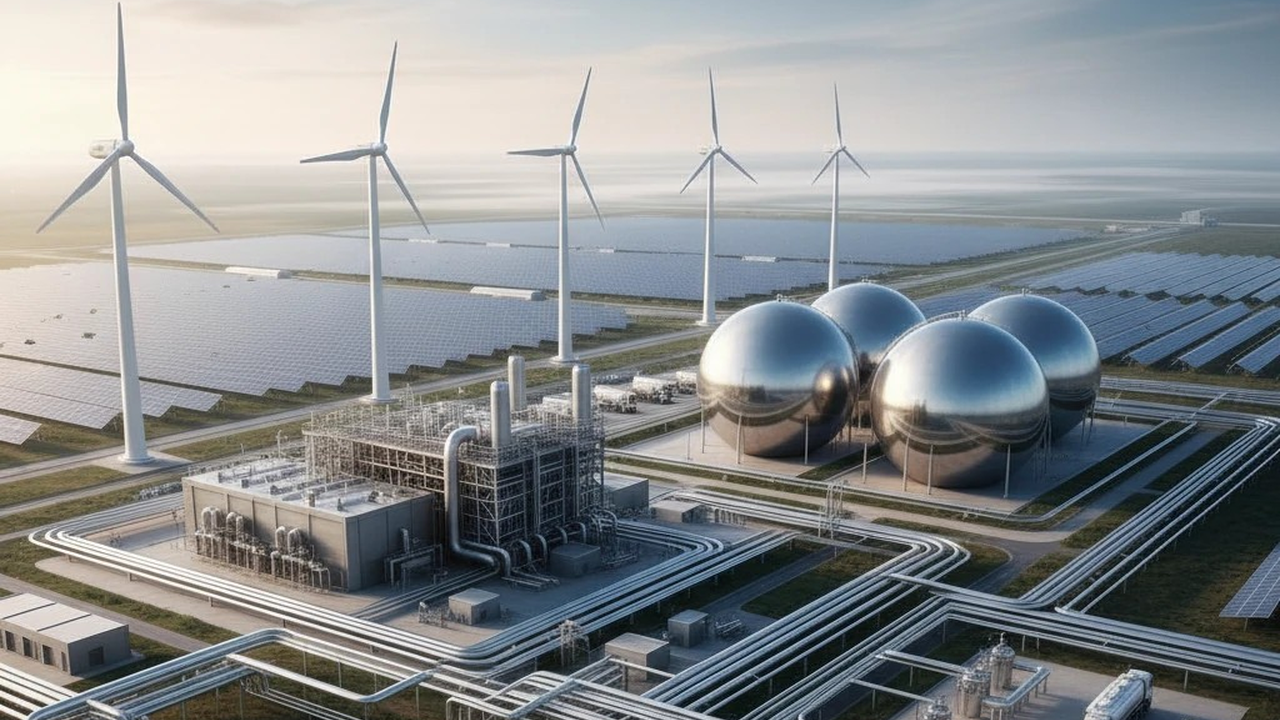
A comprehensive analysis by Aras Energy provides a detailed overview of the foundational infrastructure technologies crucial for hydrogen energy systems, specifically covering hydrogen production, storage, and distribution. The report distinctly emphasizes that the production of green hydrogen, achieved through electrolysis powered by renewable energy sources, is the most significant catalyst driving the expansion of the clean hydrogen economy. It further underscores that the development of specialized and highly efficient hydrogen transport infrastructure is indispensable for the large-scale growth of the global hydrogen market and for realizing a broader, sustainable energy transition.
Technical / Clinical Details
The report elaborates on the key technological components that constitute hydrogen infrastructure:
- Hydrogen Production Technologies:
- Steam Methane Reforming (SMR): The most prevalent method for producing hydrogen from fossil fuels (natural gas and steam), generating CO2 as a byproduct. Combining SMR with Carbon Capture and Storage (CCS) yields “blue hydrogen.”
- Electrolysis: Splits water into hydrogen and oxygen using electricity. If renewable energy powers the process, it produces “green hydrogen.” Proton Exchange Membrane (PEM) and Alkaline electrolyzers are leading technologies.
- Autothermal Reforming (ATR): Similar to SMR, it produces hydrogen from fossil fuels but also incorporates partial oxidation, offering higher efficiency.
- Biomass Gasification: Thermally converts biomass into syngas (containing hydrogen, CO, CO2) from which hydrogen can be separated.
- Storage Systems:
- Compressed Gas Hydrogen Storage: Stores hydrogen gas at high pressures (350-700 bar) in tanks, widely used in vehicles and stationary applications.
- Liquid Hydrogen (LH2) Storage: Hydrogen is liquefied at -253°C, offering high energy density but requiring significant energy for liquefaction and cryogenic maintenance.
- Underground Storage: Large-scale storage solutions in geological formations such as salt caverns, aquifers, and depleted natural gas fields.
- Material-Based Storage: Research focuses on increasing storage efficiency by absorbing or adsorbing hydrogen onto materials like metal hydrides, chemical hydrides, and adsorbent materials.
- Transport Infrastructure:
- Pipelines: The most efficient method for large-volume, long-distance hydrogen transport, either through dedicated new pipelines or repurposing existing natural gas lines.
- Cryogenic Tankers: Specialized ships designed for maritime transport of liquid hydrogen.
- Tube Trailers: Road transport vehicles designed to carry high-pressure hydrogen gas cylinders.
Background & Context
Hydrogen is garnering global attention as a versatile energy carrier capable of contributing to industrial decarbonization, fuel switching in the transport sector, and grid stabilization. Green hydrogen, in particular, is a key strategic element for reducing reliance on fossil fuels and accelerating climate action. However, hydrogen’s low volumetric energy density poses unique challenges for its storage and transport. Much of the existing energy infrastructure is optimized for fossil fuels, necessitating substantial investment and development in these new technologies and infrastructure to establish a viable green hydrogen supply chain. Governments worldwide are actively pursuing hydrogen strategies and subsidies to overcome these technical and economic hurdles.
Strategic Significance & Outlook
The establishment of an efficient and cost-competitive hydrogen infrastructure is a decisive factor for the full-scale deployment of the hydrogen economy. Future efforts will likely focus on accelerating cost reductions in green hydrogen production and innovating transport and storage technologies to deliver it to end-users. Key areas for research, development, and investment will include adapting existing natural gas infrastructure for hydrogen compatibility, developing new highly efficient liquefaction techniques, material-based storage solutions, and constructing cross-regional pipeline networks. These advancements are expected to enable hydrogen to play an increasingly critical role in the global clean energy market, fundamentally transforming how energy is produced, stored, and consumed worldwide.
Source: https://arasenergy.co/blog/hydrogen-infrastructure/
Get our weekly technology intelligence — free
Receive an infographic that lets you judge at a glance whether each field’s analysis report is worth reading.
Subscribe Free — Weekly Tech Intelligence
By subscribing, you’ll receive Troy-Technical’s weekly technology intelligence newsletter.
- Your email and selected fields are used only to deliver the newsletter.
- We never share your information with third parties.
- You can unsubscribe anytime via the link in each email.
See our Privacy Policy for details.
Takes about a minute · Unsubscribe anytime