Key Findings
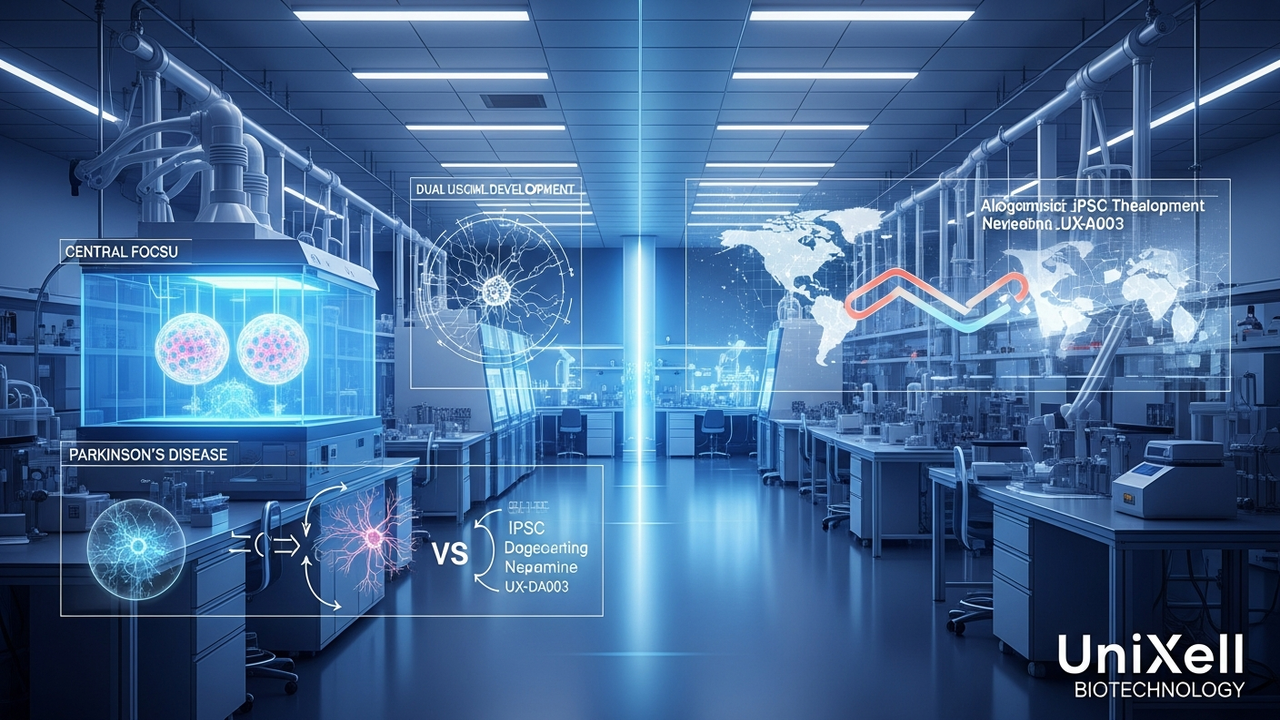
UniXell Biotechnology announced that its allogeneic induced pluripotent stem cell (iPSC)-derived therapy, UX-DA003, for Parkinson’s disease patients, has secured Investigational New Drug (IND) approval from the U.S. Food and Drug Administration (FDA). This critical milestone enables UniXell to accelerate its dual clinical development strategy in China and the United States, paving the way for delivering a groundbreaking off-the-shelf cell therapy to Parkinson’s patients worldwide.
Technical / Clinical Details
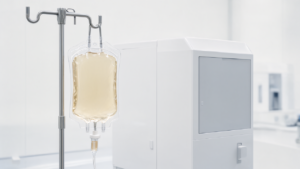
- UX-DA003 Mechanism of Action: UX-DA003 consists of dopamine-producing neural progenitor cells differentiated from iPSCs. These cells aim to replenish the dopamine-producing neurons lost in Parkinson’s pathology and reconstruct neural circuits, thereby improving motor function. As an allogeneic cell product, it can be provided off-the-shelf without the need for patient-specific cell harvesting and processing.
- Significance of FDA IND Approval: IND approval from the U.S. FDA signifies that UX-DA003’s safety and scientific rationale for clinical trials have been acknowledged. This meets stringent U.S. regulatory standards, enhancing the product’s credibility in the global market.
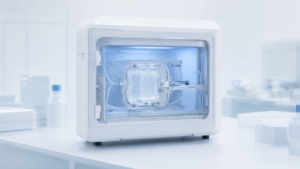
- Unified iPSC Seed Cell Platform: UniXell’s core technology lies in its proprietary unified iPSC seed cell platform. This platform enables manufacturing process standardization and quality consistency, ensuring high reproducibility in clinical development and commercial production across different regions.
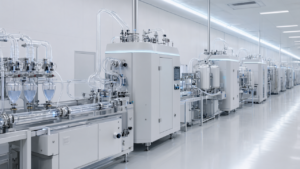
- Scalable Production and Cost Efficiency: The standardized, off-the-shelf manufacturing process allows for mass production, significantly reducing manufacturing costs compared to traditional autologous cell therapies. This has the potential to alleviate the financial burden of often-expensive cell therapies and expand access to a larger patient population.
- Dual China-US Clinical Development Strategy: Parallel development in the major pharmaceutical markets of the U.S. and China is a strategic move to overcome geographical regulatory barriers and shorten time-to-market. This enables rapid response to global patient needs.
Background & Context
Parkinson’s disease is a progressive neurodegenerative disorder characterized by motor dysfunction, and a fundamental cure has yet to be established. Existing treatments are limited to symptom management, increasing the hope for cell therapies that address the underlying pathology of dopamine-producing neuron loss. Advances in iPSC technology offer new possibilities in this field, making it one of the leading frontiers in regenerative medicine.
Strategic Significance & Outlook
The FDA IND approval for UX-DA003 represents a groundbreaking advancement in Parkinson’s disease treatment and strongly suggests the potential of iPSC-derived cell therapies for neurodegenerative disorders. The acceleration of dual China-US clinical development will expedite the availability of this therapy to patients globally. UniXell’s platform technology is also applicable to developing off-the-shelf products for other neurodegenerative diseases and a wide range of cell therapy areas, expected to significantly contribute to the industrialization and accessibility of regenerative medicine.
Get our weekly technology intelligence — free
Receive an infographic that lets you judge at a glance whether each field’s analysis report is worth reading.
Subscribe Free — Weekly Tech Intelligence
By subscribing, you’ll receive Troy-Technical’s weekly technology intelligence newsletter.
- Your email and selected fields are used only to deliver the newsletter.
- We never share your information with third parties.
- You can unsubscribe anytime via the link in each email.
See our Privacy Policy for details.
Takes about a minute · Unsubscribe anytime