Key Findings
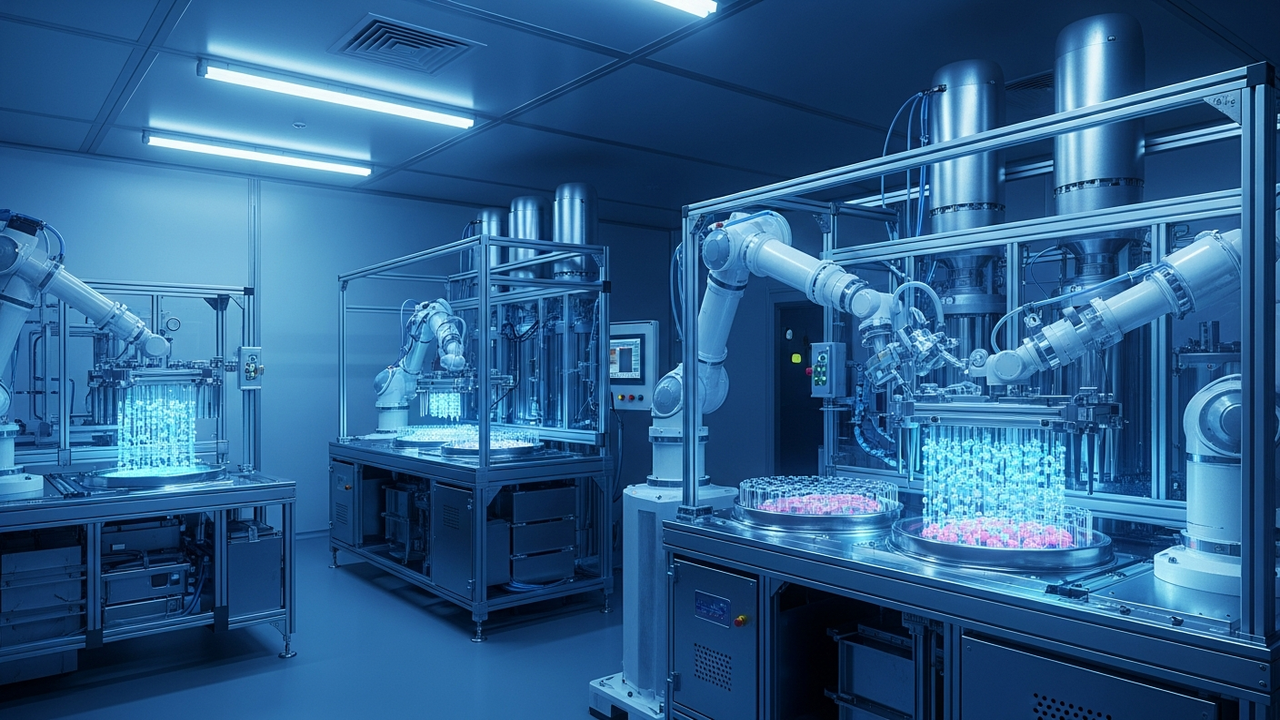
The manufacturing of cell and gene therapies (CGTs) is confronted by critical challenges related to scalability, efficiency, and cost reduction for commercialization. However, the adoption of continuous manufacturing processes and closed, automated bioreactor technologies is emerging as an effective strategy to overcome these barriers. These advanced approaches hold the potential to significantly improve the reproducibility of CGT products and substantially reduce manufacturing costs.
Technical and Clinical Details
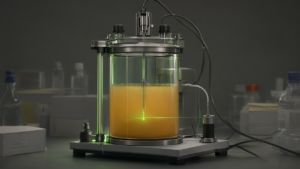
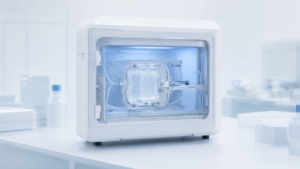
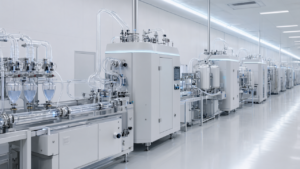
Continuous manufacturing systems offer enhanced productivity and flexibility compared to traditional batch production. This enables the production of large quantities of therapeutic cells or vectors within a smaller footprint, thereby reducing cleanroom requirements and associated operational costs. Closed and automated bioreactor technologies minimize manual intervention, decrease contamination risks, and ensure product consistency. For example, there’s a growing shift from conventional 2D culture systems, such as multi-layer flasks, to 3D bioreactors compatible with perfusion culture. These bioreactors are equipped with real-time monitoring and automated control functionalities, allowing for precise management of culture conditions including cell density, nutrients, metabolites, and gas exchange. Furthermore, the development of stable production cell lines is essential for improving viral vector productivity and the proliferative capacity of cell therapies, enhancing manufacturing robustness.
Background and Industry Context
CGTs offer groundbreaking therapeutic options for many previously untreatable diseases, including cancers, genetic disorders, and autoimmune conditions. Yet, their manufacturing processes are complex, particularly for individualized autologous cell therapies, which incur high costs and logistical supply chain challenges. Regulatory bodies like the FDA and EMA are increasingly demanding manufacturing efficiency and standardization while ensuring product quality and safety. The current challenge lies in scaling up from clinical trial stages to commercial production in a cost-effective and efficient manner, without compromising quality. Continuous manufacturing and automated closed systems are therefore strategic solutions poised to improve the accessibility of CGT products in this context.
Strategic Significance and Outlook
The advancement of continuous manufacturing and automation technologies in CGT production is expected to accelerate significantly in the coming years. In the future, these technologies are anticipated to integrate with AI and digital twin concepts, leading to fully autonomous and predictable manufacturing environments. This promises further reductions in manufacturing costs, optimized supply chains, and ultimately, expanded access to treatments for more patients. Distributed manufacturing models are also being explored, allowing smaller, efficient production facilities to alleviate logistical complexities and enhance the resilience of the global CGT supply network. This technological evolution is an indispensable element for CGTs to become a central pillar of modern medicine.
Get our weekly technology intelligence — free
Receive an infographic that lets you judge at a glance whether each field’s analysis report is worth reading.
Subscribe Free — Weekly Tech Intelligence
By subscribing, you’ll receive Troy-Technical’s weekly technology intelligence newsletter.
- Your email and selected fields are used only to deliver the newsletter.
- We never share your information with third parties.
- You can unsubscribe anytime via the link in each email.
See our Privacy Policy for details.
Takes about a minute · Unsubscribe anytime