Key Findings
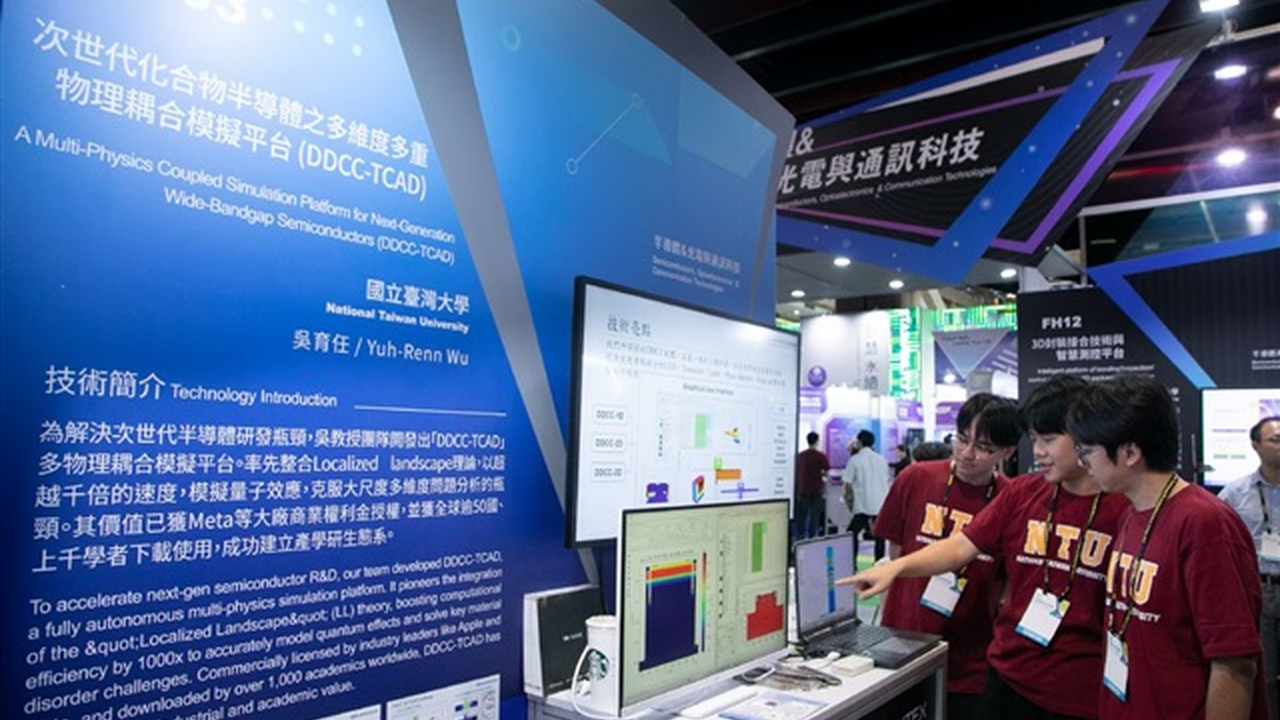
Japan’s RIKEN institute and leading academic institutions in Taiwan have announced an intensified strategic collaboration focused on the joint development of next-generation compound semiconductor technologies. Coinciding with this partnership, RIKEN’s 144-qubit superconducting quantum computer, “Ei-II,” a result of collaborative efforts with Osaka University, officially commenced operation in late March 2026. A particularly significant detail is the demonstrated high fidelity of 99.9% for individual qubit operations on the “Ei-II” system, marking a substantial achievement in quantum hardware performance.
Technical / Clinical Details
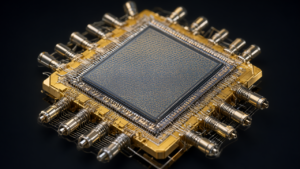
- Joint Development of Next-Gen Compound Semiconductors: The collaboration between Japanese and Taiwanese research entities targets compound semiconductors, a frontier in advanced semiconductor technology. These materials are crucial for creating faster, more efficient electronic devices and serve as fundamental building blocks for future quantum computing technologies. This partnership aims to leverage the strengths of both regions to secure a competitive advantage in the global technological race for advanced materials.
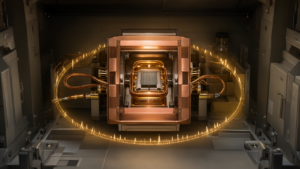
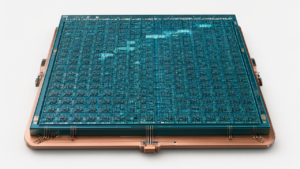
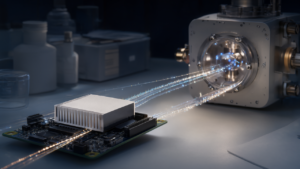
- Operation of the 144-Qubit Superconducting Quantum Computer “Ei-II”: The “Ei-II” system, installed at RIKEN’s Center for Computational Science, is a superconducting quantum computer built on indigenous Japanese technology. With 144 qubits, it stands among the most advanced Noisy Intermediate-Scale Quantum (NISQ) devices globally. Superconducting qubits are characterized by their operation in cryogenic environments and their capability for high-speed quantum gate operations.
- 99.9% Qubit Fidelity: Qubit fidelity is a critical metric for evaluating the performance and reliability of quantum computers. Achieving 99.9% fidelity signifies that quantum gate operations are performed with extremely high precision, which is indispensable for suppressing errors and executing more complex quantum algorithms. This high level of fidelity is a crucial step towards implementing effective error correction techniques necessary for fault-tolerant quantum computing.
Background & Context
The field of quantum computing is rapidly advancing through diverse research and development efforts across hardware, software, and underlying materials science. Superconducting qubits, in particular, are a promising architecture adopted by leading global players such as IBM and Google. RIKEN serves as a central hub for quantum technology research in Japan, spearheading national quantum strategies. Moreover, semiconductor technology is indispensable for the evolution of both classical and quantum computing, with Taiwan playing an exceptionally critical role in the global semiconductor supply chain. This Japan-Taiwan collaboration further solidifies the Asia-Pacific region’s position as a hub for technological innovation.
Strategic Significance & Outlook
The official launch of “Ei-II” and the demonstration of its high fidelity provide significant momentum for Japan’s quantum technology research. This system is expected to contribute to early quantum application development across various fields, including quantum chemistry simulations, optimization problems, and novel material discovery. Furthermore, the Japan-Taiwan cooperation in compound semiconductors will lead to the establishment of essential foundational technologies for enhancing the performance of future quantum devices. This international partnership is poised to accelerate R&D, facilitate knowledge sharing, and foster talent development, thereby strengthening the global presence of both nations in the fiercely competitive quantum technology landscape.
Get our weekly technology intelligence — free
Receive an infographic that lets you judge at a glance whether each field’s analysis report is worth reading.
Subscribe Free — Weekly Tech Intelligence
By subscribing, you’ll receive Troy-Technical’s weekly technology intelligence newsletter.
- Your email and selected fields are used only to deliver the newsletter.
- We never share your information with third parties.
- You can unsubscribe anytime via the link in each email.
See our Privacy Policy for details.
Takes about a minute · Unsubscribe anytime