Forging International Hydrogen Pathways
As the global energy transition accelerates, the establishment of stable, cross-border clean hydrogen supply chains has become a critical imperative. Liquefied hydrogen (LH2) is gaining prominence as a viable carrier for long-distance transport, driving intensive technological development and infrastructure build-out worldwide. In this context, the strategic alliance between leading Japanese and German industrial entities marks a significant milestone toward realizing a global hydrogen economy.
Strategic Partnership and Core Competencies
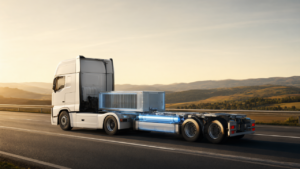
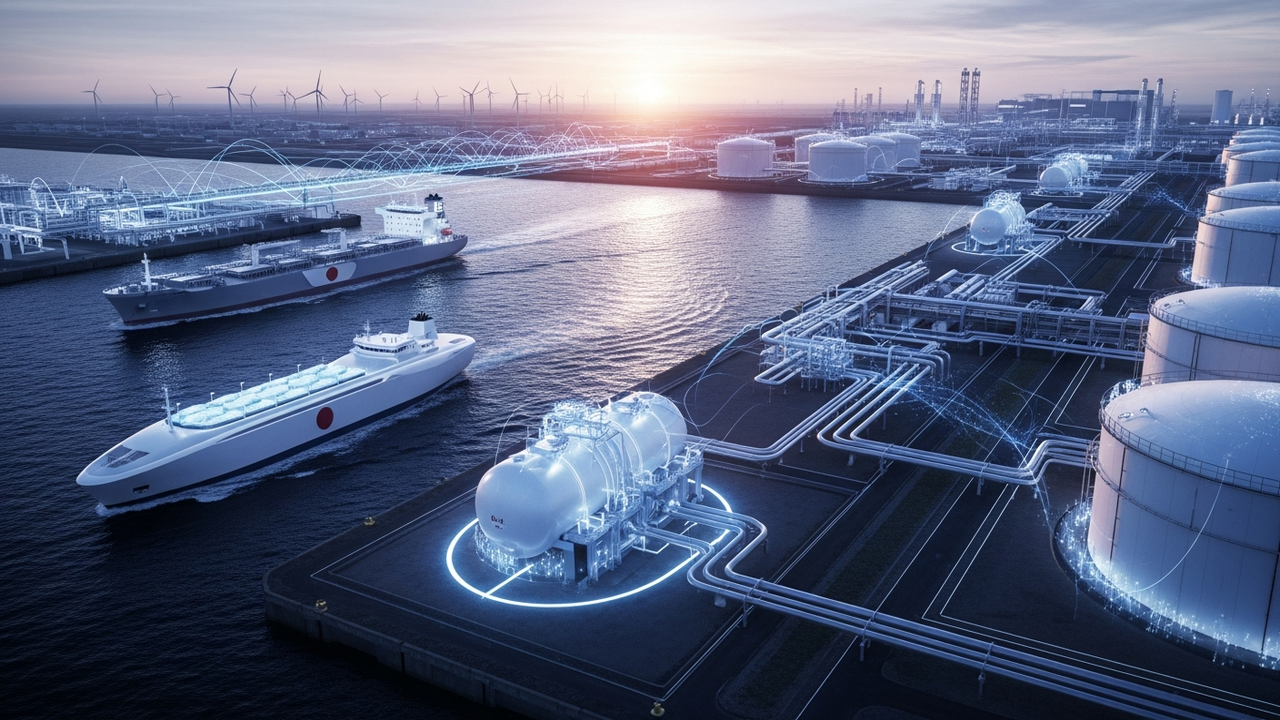
Three industry leaders—MB Energy and Kawasaki Heavy Industries from Japan, and Daimler Truck from Germany—have formalized a Joint Development Agreement (JDA) to construct a liquefied hydrogen supply chain connecting Japan and Europe. This partnership is designed to synergize each company’s specialized knowledge and technological strengths. Kawasaki Heavy Industries will contribute its extensive expertise in the design and manufacturing of LH2 carriers, liquefaction plants, and large-scale storage tanks, forming the core infrastructure of the supply chain. Daimler Truck, on the other hand, brings its hydrogen fuel cell truck technology and insights into hydrogen demand-side infrastructure within Europe. MB Energy will oversee overall energy supply solutions and project management, aiming for seamless supply chain operations.
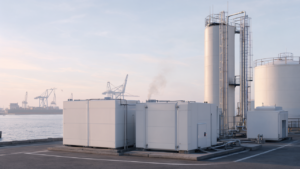
Hamburg Port in Germany is envisioned as a key hub for this joint development, serving as a critical gateway for LH2 imports and distribution into Europe. The long-term objective is to establish commercial LH2 supply operations by the early 2030s, thereby facilitating the broader adoption of hydrogen in heavy industry and mobility sectors.
Technical and Policy Significance, and Future Challenges
This collaboration holds substantial technical and policy significance by addressing the complex challenges of large-scale international LH2 transport. Ensuring the stable and safe transport and storage of hydrogen at cryogenic temperatures, while minimizing energy losses, is paramount. The integration with hydrogen fuel cell trucks for terrestrial distribution is expected to enhance end-to-end supply chain efficiency. From a policy perspective, this initiative promises to contribute to the decarbonization goals of both Japan and Europe, while potentially bolstering energy security for both regions. Future challenges include further reducing LH2 transport and storage costs, streamlining regulatory frameworks and international cooperation for infrastructure investments, and securing long-term offtake agreements to ensure project viability.
- Kawasaki Heavy Industries contributes LH2 carrier, liquefaction plant, and storage tank technology.
- Daimler Truck focuses on European hydrogen mobility demand and associated infrastructure.
- Hamburg Port designated as a key hub, targeting commercial operations by the early 2030s.
Source: https://global.kawasaki.com/en/corp/newsroom/category/pressrelease/index.html