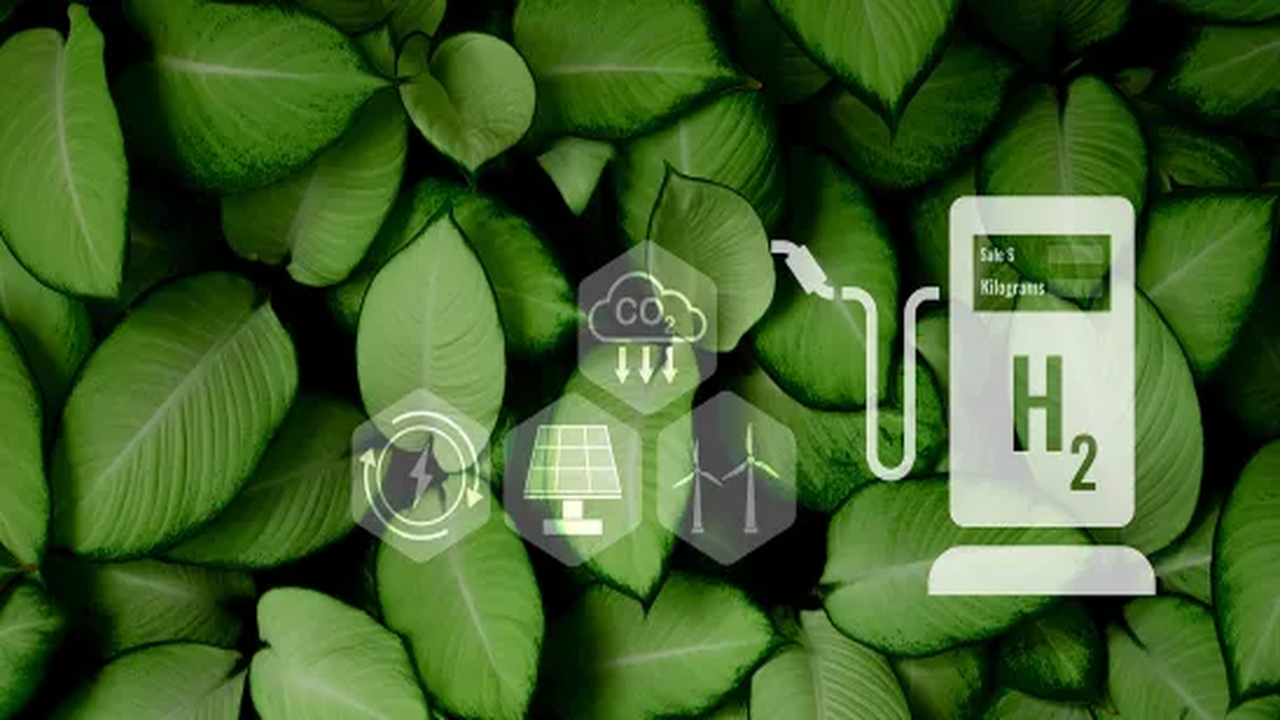
Background: Genesis and Goals of the U.S. Hydrogen Hubs Program
The U.S. Department of Energy (DOE) launched the Regional Hydrogen Hubs (H2Hubs) program to accelerate the nation’s transition to a clean energy economy. The program’s core objective was to establish distributed ecosystems for hydrogen production, processing, delivery, storage, and end-use across the country, backed by substantial federal funding. Initially, seven regional hubs were approved, each designed to leverage local renewable energy resources and industrial infrastructure to develop a complete hydrogen value chain within their respective areas. This initiative was deemed vital for enhancing U.S. energy security, reducing greenhouse gas emissions, and fostering domestic job creation in the emerging hydrogen sector.
Key Challenges: Federal Funding Cuts and Policy Shifts
However, the U.S. hydrogen hubs program is now confronting unexpected uncertainty due to recent shifts in federal energy policy priorities. Reports indicate that four of the seven initially approved hubs—specifically those in California, the Mid-Atlantic, the Pacific Northwest, and the Midwest—are facing potential reductions or even elimination of up to 60% of the allocated $7 billion in federal support. This significant review of funding could directly impact the scale and feasibility of the ambitious infrastructure projects and technological developments planned by these hubs. Conversely, hubs located in Appalachia, the Gulf Coast, and the Upper Midwest are expected to maintain their funding levels. This uneven distribution of support is anticipated to have profound implications for the progress and strategic direction of each hub.
Impact and Future Outlook: Project Re-evaluations and Tax Credit Hurdles
The proposed federal funding cuts necessitate a comprehensive re-evaluation of the entire program for the affected hydrogen hubs. Project developers will likely be compelled to seek alternative financing, scale back project ambitions, or adjust implementation timelines to compensate for the reduced federal backing. Adding to these challenges is the accelerated timeline for the 45V clean hydrogen tax credit, a crucial incentive designed to spur clean hydrogen production. This accelerated deadline introduces further economic uncertainty for projects, particularly those in their nascent stages, potentially complicating investment decisions and reducing predictability. While the U.S. government remains committed to building a hydrogen ecosystem, the impact of these policy fluctuations on the concrete execution of projects is substantial, and future developments will be closely watched.
Source: https://natlawreview.com/article/shifting-energy-priorities-are-reshaping-h2hubs-program








Comments