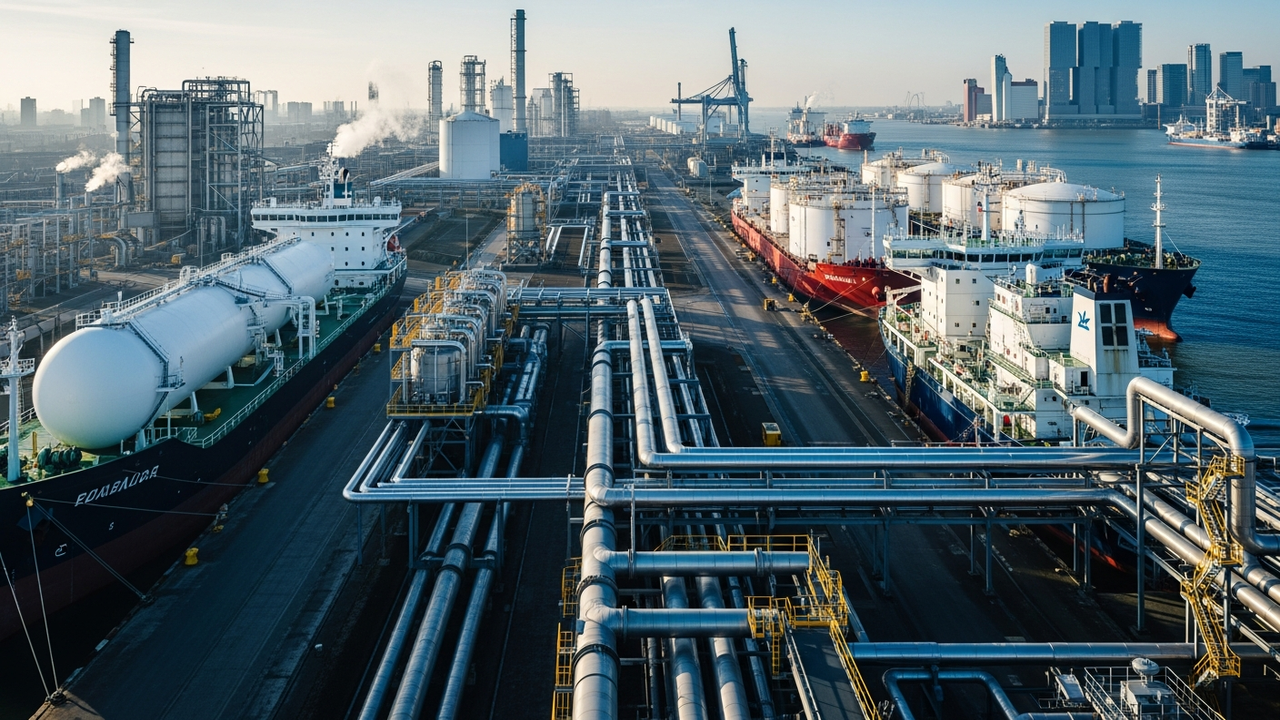
Background: Rotterdam Port’s Strategic Transformation
For decades, the Port of Rotterdam has served as Europe’s largest hub for fossil fuel logistics. However, driven by global decarbonization imperatives and ambitious European Union climate targets, the port has embarked on a profound strategic transformation. Its new vision is to become a leading center for clean energy and low-carbon industries in Northwest Europe. To realize this, the port has prioritized the development of a comprehensive hydrogen ecosystem, accelerating massive investments in the necessary infrastructure. This initiative is noteworthy not merely as a shift in fuel sources but as a fundamental restructuring of the port’s industrial landscape.
Key Infrastructure Investments and Projects
Rotterdam Port’s hydrogen infrastructure development spans multiple critical areas. A cornerstone is the construction of the Netherlands’ domestic Hydrogen Backbone. The initial section within Rotterdam is anticipated to be operational by 2026, with plans for an international connection to Germany by 2030. This pipeline network will streamline hydrogen supply to industrial consumers within the region and facilitate international trade. Concurrently, the port is expanding its capacity to import hydrogen via various carriers, including ammonia, methanol, and Liquid Organic Hydrogen Carriers (LOHC), enhancing its preparedness for a future global hydrogen supply chain. Additionally, a 200 MW renewable hydrogen production facility is currently under construction within the port area, targeting operation by 2027. This facility will produce hydrogen through water electrolysis powered by renewable electricity, directly contributing to the port’s decarbonization goals.
Technical Significance and Future Outlook
The initiatives at the Port of Rotterdam serve as a significant model for how existing industrial clusters can transition into clean energy hubs. The construction of the H2 Backbone, in particular, represents vital physical infrastructure for enabling long-distance transport and large-volume supply of hydrogen. Expanding capabilities for diverse hydrogen carriers increases flexibility in international hydrogen trade, allowing for supply from various production regions. Integration with the Porthos Carbon Capture and Storage (CCS) project further contributes to industrial CO2 emission reduction, forming part of a broader decarbonization strategy. These investments are poised to position Rotterdam at the heart of Europe’s hydrogen economy, providing a strong foundation for industrial decarbonization and sustainable growth. However, challenges such as regulatory harmonization, strengthening international cooperation, and optimizing the balance between supply and demand will need continuous attention.




Comments