Background: UK’s Decarbonization Goals and Hydrogen Infrastructure Imperative
The United Kingdom has committed to achieving net-zero greenhouse gas emissions by 2050, a target that necessitates profound decarbonization across all economic sectors. Heavy industry and chemical sectors, often difficult to electrify, are increasingly looking to hydrogen as a primary alternative fuel. However, efficiently and safely transporting large volumes of hydrogen requires a dedicated pipeline network. A hybrid approach, combining the repurposing of existing gas infrastructure with new pipeline construction, is essential for delivering hydrogen across the UK and supporting the energy transition of its industrial base.
Key Project Overview: ‘Project Union: East Coast’
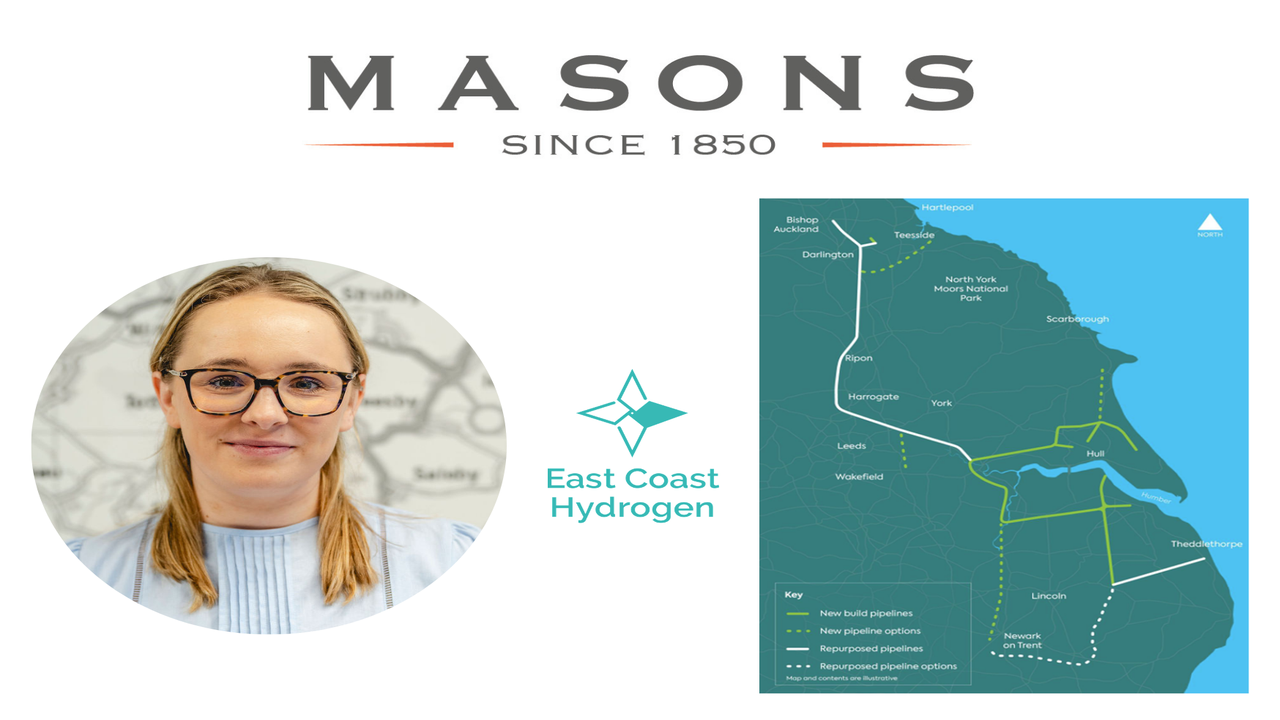
National Gas, a leading UK gas network operator, has unveiled plans for a major hydrogen pipeline network dubbed ‘Project Union: East Coast.’ This ambitious project is envisioned to span approximately 300 miles (around 480 kilometers), connecting industrial clusters from the Teesside region in the Northeast to Bacton in the Southeast. A distinctive feature of the project is its hybrid approach, which involves repurposing sections of existing natural gas pipelines for dedicated hydrogen transport, alongside constructing new pipeline segments. This strategy aims to optimize construction costs and timelines while establishing a robust network capable of meeting future hydrogen demand. The primary goal of this network is to secure hydrogen supply for industrial clusters, thereby accelerating their decarbonization.
Impact and Future Outlook
‘Project Union’ is currently in its initial development phase, with preparatory survey work expected to commence in the coming weeks. A comprehensive public consultation period is also planned for later this year, inviting input from various stakeholders, including local residents, landowners, and environmental organizations. The realization of this project would enable large-scale decarbonization within the UK’s industrial sector, representing a critical step toward achieving net-zero targets. Specifically, it will support fuel switching for existing industries and help attract new green industrial investments. However, challenges such as land acquisition, environmental impact assessments, and securing project financing must be addressed. Ensuring the safety of the pipeline infrastructure and designing appropriate network capacity based on long-term hydrogen demand forecasts will be key to the project’s success. Once completed, this infrastructure is expected to position the UK as a central player in the European hydrogen economy.
Source: https://www.masonsandpartners.co.uk/articles/could-project-union-affect-your-landholding








Comments