Strategic Investment Rationale and Objectives
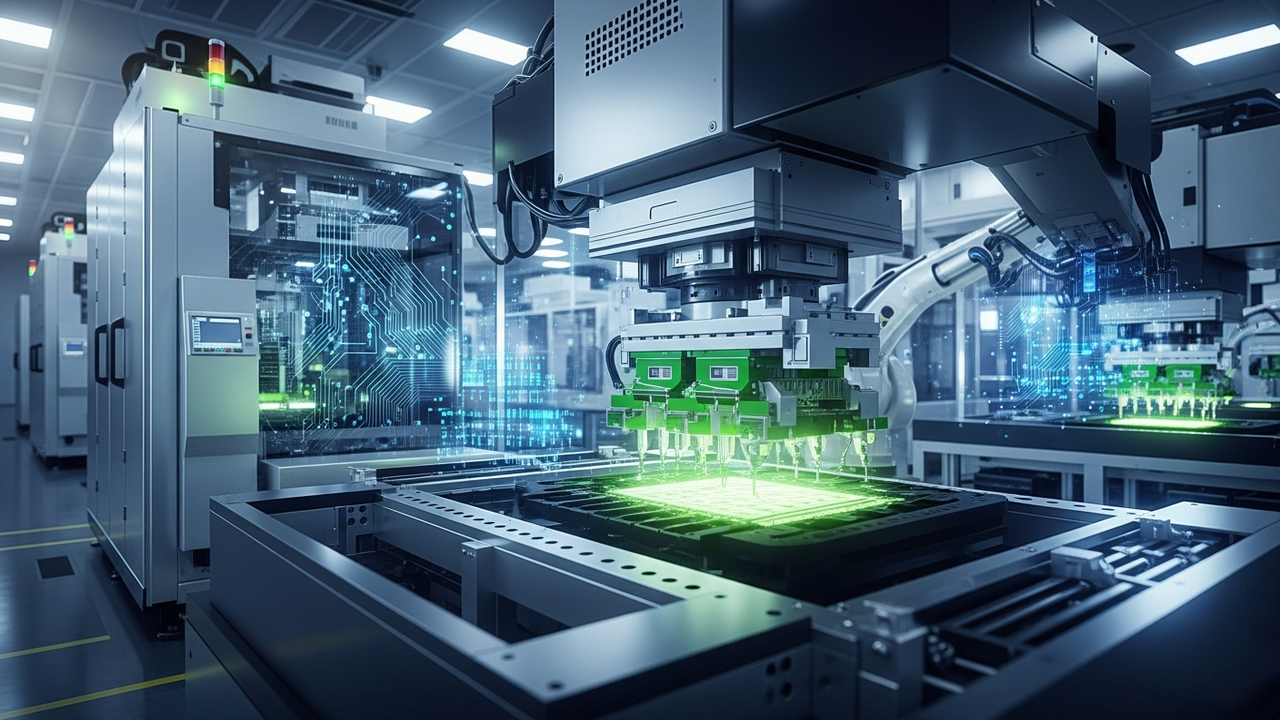
In response to the rapid advancements in artificial intelligence (AI) and the consequent surge in demand for high-performance computing (HPC), AMD has committed a significant strategic investment of over $10 billion to Taiwan, a pivotal hub in the global semiconductor supply chain. The primary objective of this extensive investment is to fortify Taiwan’s entire AI ecosystem and, more specifically, to drastically enhance advanced packaging capabilities, which are indispensable for AMD’s forthcoming generation of AI processors. AMD is a leading proponent of chiplet-based designs, an approach that critically relies on high-density, efficient packaging technologies to achieve performance and power targets.
Key Technologies and Collaboration with Taiwanese Partners
AMD’s investment primarily focuses on advancing Elevated Fanout Bridge (EFB) based 2.5D packaging technology. This cutting-edge technology serves as a foundational element for the seamless integration of high-bandwidth memory (HBM) and the future realization of advanced 3D hybrid bonding techniques. AMD is actively collaborating with leading Taiwanese Outsourced Semiconductor Assembly and Test (OSAT) providers, including Advanced Semiconductor Engineering (ASE), Siliconware Precision Industries Co., Ltd. (SPIL), and Powertech Technology (PTI). Notably, Powertech Technology has already achieved qualification for the industry’s first 2.5D panel-based EFB interconnect technology in partnership with AMD, facilitating cost-effective, high-volume production on large, square panels—a significant manufacturing advantage over traditional wafer-based methods.
Impact on Next-Generation AI Systems and Future Outlook
This substantial investment and technological collaboration are poised to directly contribute to the development of AMD’s next-generation AI systems, exemplified by products such as the 6th Gen AMD EPYC CPUs, codenamed “Venice.” The evolution of EFB and other advanced packaging technologies is critical for strengthening inter-chiplet connectivity and optimizing HBM integration, thereby enabling a significant leap in AI processing capabilities. By leveraging Taiwan’s robust semiconductor manufacturing ecosystem, AMD aims to efficiently deliver state-of-the-art AI chips to market at competitive costs, solidifying its leadership in the AI era. In the long term, this investment is expected to further accelerate innovation and growth in advanced packaging technologies within Taiwan’s semiconductor industry, fostering a more resilient and advanced global supply chain for AI hardware.
Source: https://www.eetimes.com/amd-plans-10b-investment-in-taiwan-to-boost-ai-infrastructure/





Comments