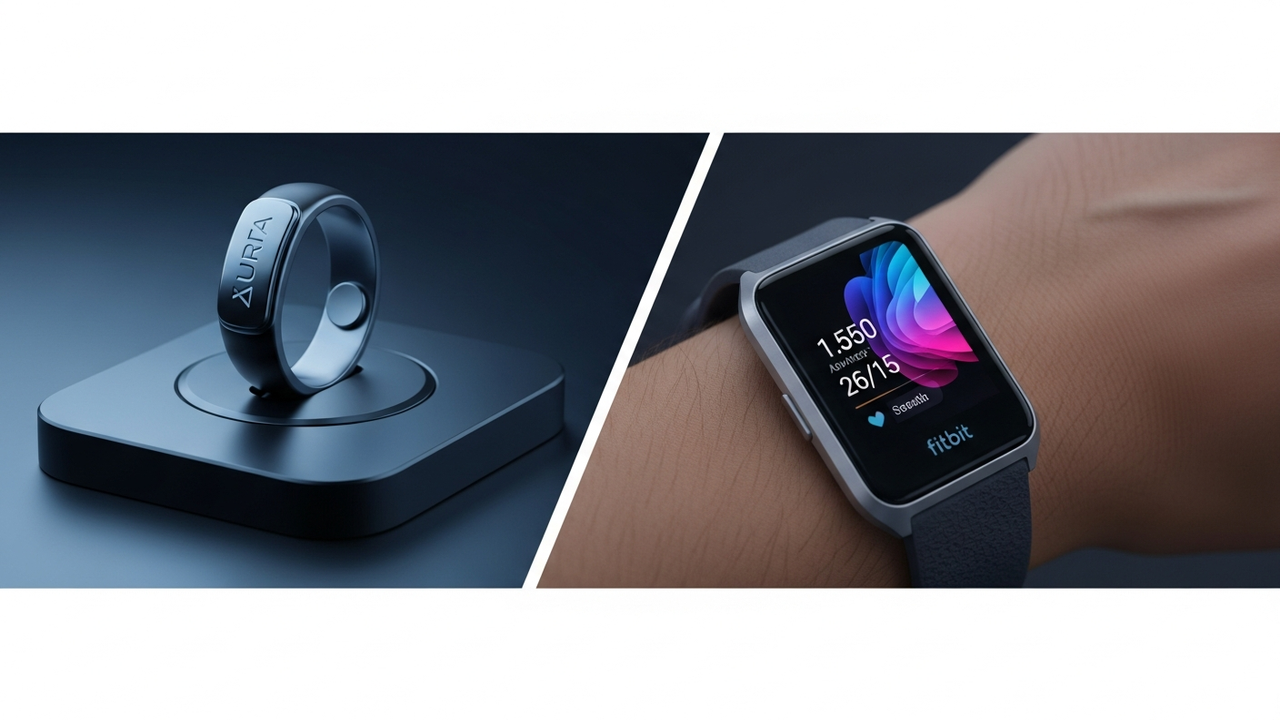
Background: Evolution of the Wearable Market
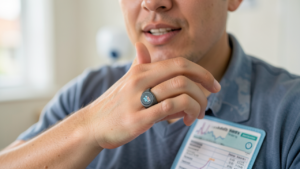
The wearable device market has undergone rapid evolution, transitioning from rudimentary pedometers and basic heart rate monitors to sophisticated, multifunctional health trackers. Industry leaders such as Ōura and Fitbit have driven this transformation by integrating advanced sensor technology and robust data analytics capabilities. This provides users with comprehensive insights into their physiological state. Modern consumers seek more than just activity logging; they demand deeper, personalized health management solutions that proactively enhance their overall well-being.
Advancements in Latest Devices and the Role of AI
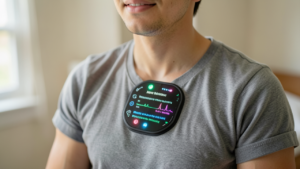
The latest generations of Ōura and Fitbit wearables are characterized by their enhanced computational intelligence and refined industrial design. These devices meticulously acquire a diverse array of biometric data—including continuous heart rate, comprehensive sleep architecture, skin temperature variations, and detailed activity levels—with high fidelity and precision. This rich dataset is subsequently transmitted to either on-device (embedded) or cloud-based artificial intelligence (AI) platforms. These platforms leverage sophisticated algorithms to analyze individual user behavioral patterns, physiological responses, and stated health objectives, thereby generating personalized, actionable recommendations for diet and exercise. For instance, AI can process sleep quality metrics to deduce optimal windows for physical activity or to advise on necessary recovery protocols. This synergistic integration of precise data acquisition and AI-driven interpretive analytics fundamentally transforms these devices from passive tracking instruments into proactive, intelligent health advisors.
Market Transformation and Future Outlook
This evolving trend represents a definitive market transition from generalized ‘fitness tracking’ to specialized ’embedded health devices.’ This paradigm shift empowers users to make more proactive and data-informed decisions regarding their personal health. Looking ahead, these devices are poised for deeper integration with healthcare ecosystems and medical professionals, potentially serving as indispensable tools for remote patient monitoring, early disease detection, and advanced preventive medicine initiatives. However, this expansion necessitates rigorous attention to critical considerations such as data privacy, cybersecurity, and ensuring the clinical validity and efficacy of AI-generated recommendations, which will require robust validation protocols and comprehensive regulatory frameworks. Ultimately, wearables are anticipated to assume a central, ubiquitous role in seamlessly integrating personal health management into daily life, thereby significantly enhancing population-level preventive healthcare strategies.




Comments