Key Findings
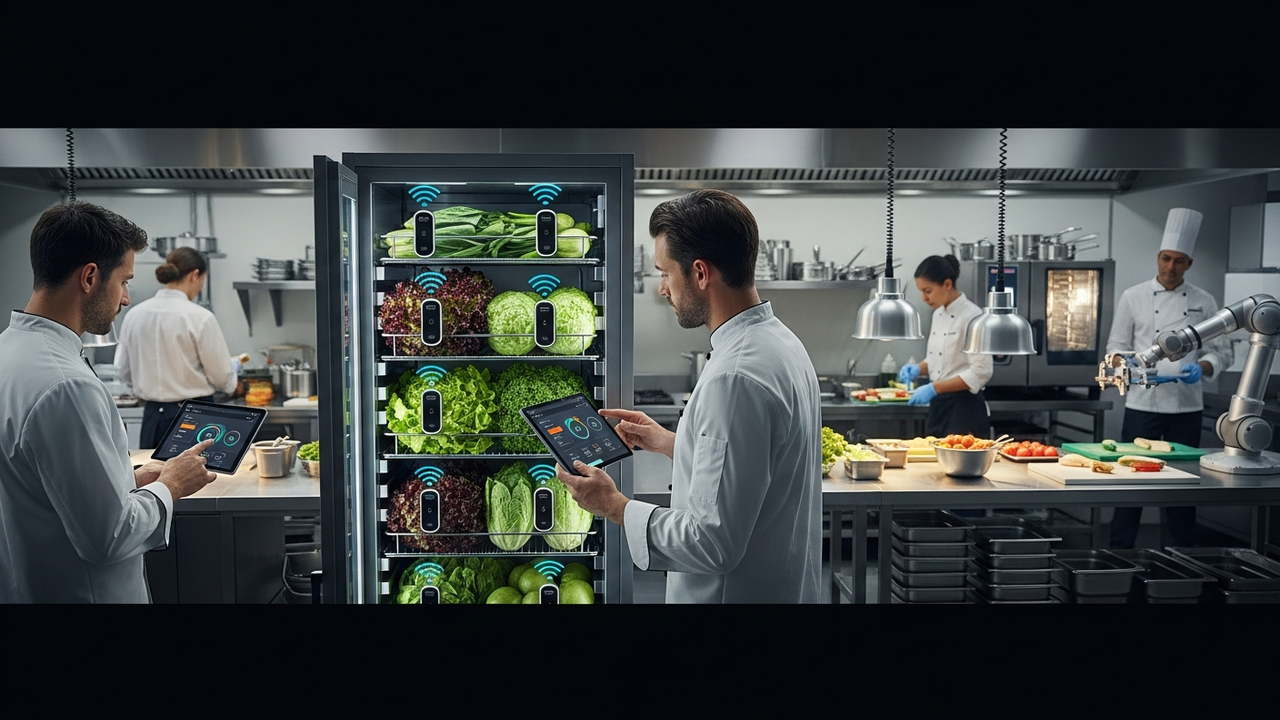
A recent Cyclospora outbreak linked to lettuce has profoundly underscored for the entire restaurant industry how indispensable advanced food safety technologies are for brand protection, supply chain management, and the preservation of business revenue. At the 2026 National Restaurant Association Show, several innovative solutions designed to address this challenge were introduced, with particular attention given to continuous temperature monitoring of refrigerators and freezers via wireless sensors like “BOHA! Sense.” These technologies aim to enhance food traceability and automate HACCP (Hazard Analysis and Critical Control Points) management processes, significantly reducing foodborne illness risks and solidifying consumer trust.
Technical & Clinical Details
- Lessons from the Cyclospora Outbreak: Cyclospora, a parasite transmitted through contaminated fresh produce, causes foodborne illness. This recent outbreak demonstrated that inadequate strict hygiene management at all stages of the supply chain and a lack of rapid contamination detection and tracking capabilities can lead to widespread public health crises and significant economic losses.
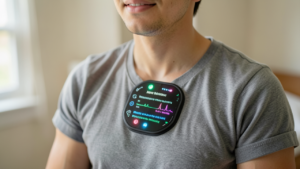
- “BOHA! Sense” Wireless Sensors: BOHA! Sense is an IoT-based wireless sensor system that continuously monitors parameters such as temperature, humidity, and door status inside refrigerators and freezers in real-time. When abnormalities are detected, it automatically issues alerts, preventing food spoilage and contamination risks. This reduces the need for manual checks, eliminates human error, and establishes 24/7 surveillance.
- Enhanced Food Traceability: Food safety platforms, combined with blockchain technology and RFID tags, enable tracking of food products throughout their entire journey from farm to table. This accelerates the identification of contamination sources, limits the scope of recalls, and allows for accurate information dissemination to consumers.
- Automation of HACCP Management: HACCP is an international framework for food safety management, but its manual operation is often time-consuming and prone to errors. Digitized food safety solutions automate HACCP protocols and simplify record-keeping, thereby strengthening compliance and improving operational efficiency.
Background & Industry Context
The restaurant industry faces increasing consumer expectations for food safety, coupled with pressure from stringent regulatory requirements and intensifying competition. A single food safety incident can severely damage a company’s brand value and have catastrophic effects on revenue. For this reason, investment in food safety technology is now viewed not merely as a cost but as a strategic investment to ensure business sustainability. Advancements in digital technology offer the opportunity to automate and streamline many previously manual processes, building more robust food safety management systems.
Strategic Significance & Outlook
The lettuce outbreak will serve as a significant catalyst for accelerating the adoption of food safety technologies in the restaurant industry. Moving forward, wireless sensors like BOHA! Sense, along with traceability and automated HACCP management systems, are expected to become standard equipment across the industry. In the future, AI and machine learning will be integrated into these systems, enabling predictive analytics to identify potential food safety risks proactively and implement preventive measures. This will allow restaurants to solidify customer trust and achieve sustainable growth. Food safety technology is transforming from a back-office operation into a front-end strategic element that creates competitive advantage.
Get our weekly technology intelligence — free
Receive an infographic that lets you judge at a glance whether each field’s analysis report is worth reading.
Subscribe Free — Weekly Tech Intelligence
By subscribing, you’ll receive Troy-Technical’s weekly technology intelligence newsletter.
- Your email and selected fields are used only to deliver the newsletter.
- We never share your information with third parties.
- You can unsubscribe anytime via the link in each email.
See our Privacy Policy for details.
Takes about a minute · Unsubscribe anytime




Comments