Key Findings
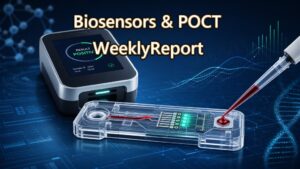
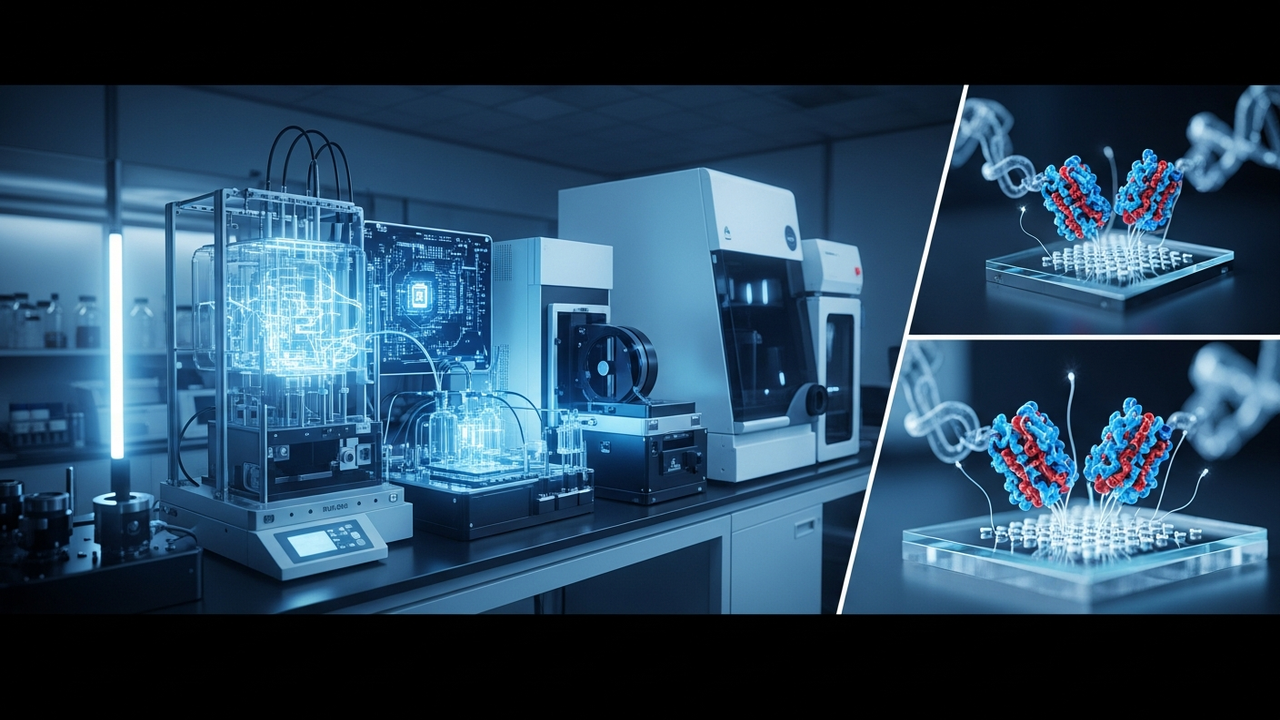
NTHRYS Biotech Labs is pioneering the development of Artificial Intelligence (AI)-powered CRISPR biosensor diagnostics for a wide range of applications. This innovative approach enables real-time pathogen identification, multiplex biomarker detection for various diseases (cancer, cardiovascular, infectious diseases), and the creation of portable point-of-care (POC) testing devices. AI models are central to data interpretation, disease pattern identification, outcome prediction, and seamless integration with existing healthcare systems, streamlining the entire diagnostic process.
Technical/Clinical Details
CRISPR technology offers high specificity and sensitivity as a biosensor due to its ability to target specific DNA or RNA sequences and generate a signal upon cleavage or binding. NTHRYS Biotech Labs combines CRISPR’s molecular recognition capabilities with AI’s pattern recognition and predictive power to build systems that yield results significantly faster and more accurately than conventional diagnostics. For instance, pathogen identification platforms can detect microbial genetic material with high precision using minimal sample preparation, providing on-site results. Multiplex biomarker detection kits allow simultaneous evaluation of multiple disease-related markers in a single test, aiding in early diagnosis and personalized treatment selection for complex diseases. POC devices are designed for use outside hospital settings, improving diagnostic access in emergencies and remote areas.
Background & Context
Modern healthcare diagnostics demand speed, accuracy, and accessibility. Traditional diagnostic methods often require significant time, cost, and specialized expertise, posing limitations particularly for infectious disease outbreaks and early detection of chronic conditions. The convergence of CRISPR and AI offers a powerful tool to overcome these challenges, opening the next frontier in diagnostics. This technology is expected to advance personalized medicine, strengthen public health, and optimize healthcare resource allocation.
Strategic Significance & Outlook
The developments by NTHRYS Biotech Labs have the potential to profoundly impact the diagnostics market. In the future, these AI-CRISPR biosensors are expected to be applied to a broader range of disease markers, more complex environmental monitoring, and even personalized drug screening. Through continuous research and clinical validation, these diagnostics could become standard tools in medical practice, significantly improving patient health outcomes and contributing to healthcare cost reduction. They also hold promise for enhancing global health security.
Get our weekly technology intelligence — free
Receive an infographic that lets you judge at a glance whether each field’s analysis report is worth reading.
Subscribe Free — Weekly Tech Intelligence
By subscribing, you’ll receive Troy-Technical’s weekly technology intelligence newsletter.
- Your email and selected fields are used only to deliver the newsletter.
- We never share your information with third parties.
- You can unsubscribe anytime via the link in each email.
See our Privacy Policy for details.
Takes about a minute · Unsubscribe anytime