Background
The global burden of chronic diseases underscores an urgent need for more effective, proactive management strategies. Current clinical practices often rely on intermittent physiological monitoring, which frequently fails to capture the subtle, daily fluctuations crucial for early intervention and personalized care. This gap highlights a significant opportunity for continuous, real-time physiological monitoring solutions. Affordable, high-precision wearable and implantable biosensors, coupled with robust data infrastructure like the Internet of Medical Things (IoMT), are poised to transform chronic disease management by empowering individuals to take active control of their health from any location, fostering a new era of telehealth and preventive medicine.
Key Findings
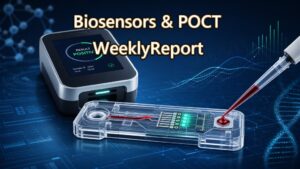
The Kameoka Lab at Kyushu University is at the forefront of developing a new generation of low-cost, high-precision biosensors engineered for continuous, real-time monitoring of critical biomarkers. These innovations are explicitly designed for seamless integration within Internet of Medical Things (IoMT) platforms, driving toward the ultimate goal of early anomaly detection in chronic diseases and truly personalized health management.
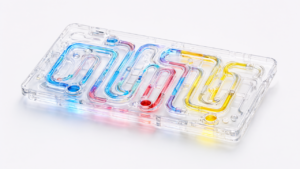
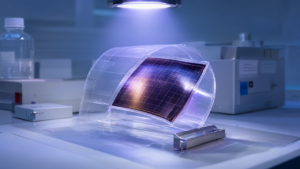
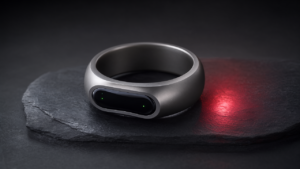
The lab’s portfolio encompasses a diverse array of sensor technologies. This includes microneedle electrochemical sensors for painless, continuous transdermal monitoring of uric acid and pH, offering crucial insights into metabolic and systemic health. For non-invasive external monitoring, wearable colorimetric sensors are being developed to measure glucose and lactate levels in sweat, proving invaluable for exercise physiology and diabetes management. Furthermore, the team is advancing implantable hydrogel biosensors, which hold the promise of long-term surveillance within deeper physiological environments. The sheer volume of data generated by these continuous monitoring systems is processed and analyzed using sophisticated machine learning (ML) and deep learning (DL) algorithms. This enables automated detection of subtle deviations from an individual’s baseline physiological patterns, facilitating unprecedented early identification of disease onset. The research also extends to exploring the utility of large language models (LLMs) to provide diagnostic support, translating complex data analysis into easily digestible insights for both clinicians and patients, thereby improving communication and understanding.
This research is poised to significantly impact the future of personalized medicine. Future work will focus on rigorous clinical validation of these sensor technologies, expanding the range of detectable biomarkers, and enhancing the predictive capabilities of their AI-driven analytics. The widespread adoption of these advanced biosensing and AI platforms is anticipated to revolutionize early disease detection and management, leading to substantial reductions in healthcare costs and a profound improvement in global healthy life expectancies.
Source: #
Get our weekly technology intelligence — free
Receive an infographic that lets you judge at a glance whether each field’s analysis report is worth reading.
Subscribe Free — Weekly Tech Intelligence
By subscribing, you’ll receive Troy-Technical’s weekly technology intelligence newsletter.
- Your email and selected fields are used only to deliver the newsletter.
- We never share your information with third parties.
- You can unsubscribe anytime via the link in each email.
See our Privacy Policy for details.
Takes about a minute · Unsubscribe anytime