Key Findings
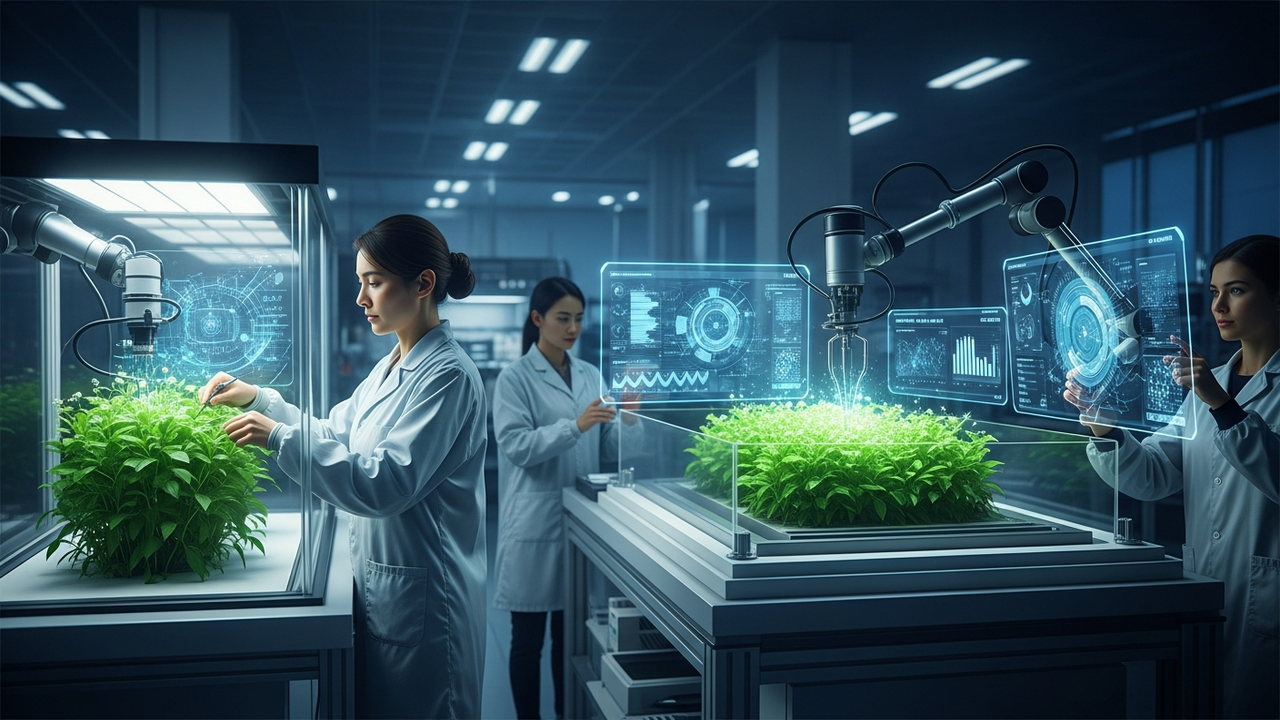
A research team at Zhejiang University has developed a groundbreaking ‘Machine Learning-Enabled Implantable Plant Biomarker Sensor (MLIPBS)’ capable of early detection and classification of abiotic stresses, such as acid and salt stress, in plants. The findings were published in ‘Nature Communications.’ This innovative sensor promises to provide real-time insights into plant health, aiming to significantly enhance crop yields.
Technical/Clinical Details
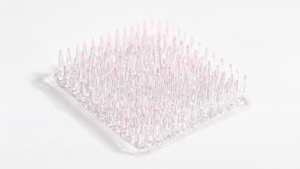
The MLIPBS integrates nanotechnology-based sensors with advanced machine learning algorithms. The sensors are implanted within plant tissues to continuously monitor changes in biomarkers related to acidity and salinity. The collected data is analyzed in real-time by machine learning models, which rapidly and accurately identify and classify specific stress factors. In contrast to conventional stress detection methods that rely on visual observation or time-consuming laboratory analyses, MLIPBS enables non-invasive and automated monitoring. This allows farmers to detect early signs of stress and implement appropriate measures before damage to crops becomes widespread.
Background & Context
Global climate change and environmental degradation are severely impacting agricultural production. Specifically, soil acidification and salinization are major abiotic stress factors that inhibit crop growth and lead to reduced yields. These stresses often do not manifest visually in early stages and are frequently undetected until it’s too late, posing a significant threat to agricultural sustainability and food security. MLIPBS represents a crucial step towards achieving precision agriculture and forms a foundational technology for enhancing adaptability to environmental changes.
Strategic Significance & Outlook
Zhejiang University’s research highlights the significant potential of biosensor technology in precision agriculture. MLIPBS will contribute to optimizing crop health and maximizing yields while minimizing resource waste. In the future, this technology could be applied to detect other abiotic stresses (e.g., drought, heavy metal contamination) and biotic stresses (e.g., pests and diseases). Furthermore, with broader application to various crops and integration with IoT and cloud platforms, it is expected to function as part of large-scale smart farming systems, potentially transforming global food production efficiency.
Get our weekly technology intelligence — free
Receive an infographic that lets you judge at a glance whether each field’s analysis report is worth reading.
Subscribe Free — Weekly Tech Intelligence
By subscribing, you’ll receive Troy-Technical’s weekly technology intelligence newsletter.
- Your email and selected fields are used only to deliver the newsletter.
- We never share your information with third parties.
- You can unsubscribe anytime via the link in each email.
See our Privacy Policy for details.
Takes about a minute · Unsubscribe anytime