Key Findings
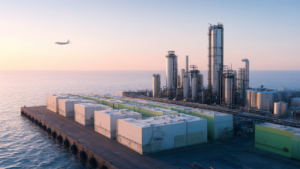
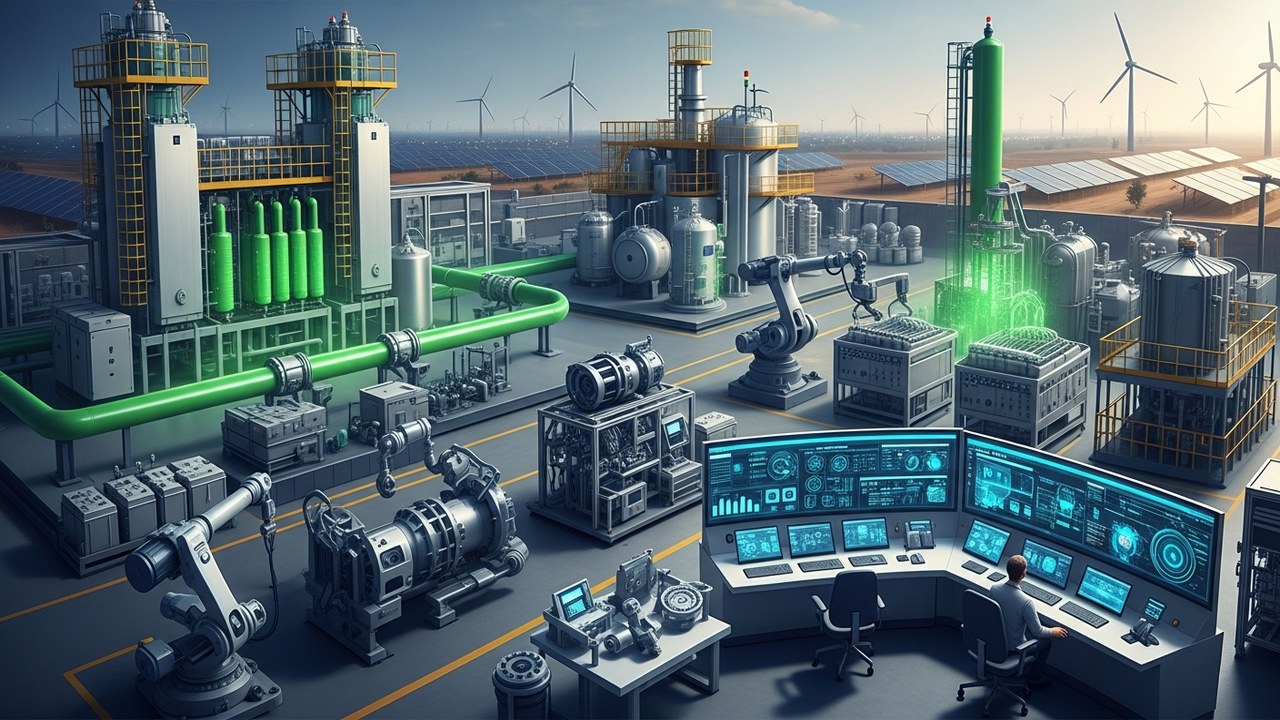
India is vigorously pursuing its National Green Hydrogen Mission, aiming to achieve an ambitious target of 5 million metric tons (MMT) of annual green hydrogen production by 2030. This mission is projected to involve a massive investment of approximately $70 billion, intended to reduce the nation’s reliance on crude oil imports and cut emissions from hard-to-abate heavy industries such as steel, petroleum refining, and fertilizer production. As part of this initiative, 15 companies have been awarded electrolyzer manufacturing contracts under the SIGHT program, securing 3,000 MW of annual domestic manufacturing capacity. Currently, about 8,000 tons/year of green hydrogen production capacity is operational, with a pipeline established to reach 40,000 tons/year.
Policy and Technical Details
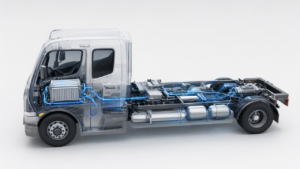
The Indian government has set a groundbreaking target to reduce green hydrogen production costs to $1 per kilogram and has rolled out a comprehensive package of support measures. These include incentives for electrolyzer manufacturing, provision of free land, and capital subsidies of up to 40%. These initiatives are designed to foster a domestic green hydrogen manufacturing ecosystem and enhance competitiveness in the global market. India is also piloting hydrogen fuel cell buses and trains, exploring hydrogen’s potential in demanding transport segments such like long-distance buses, heavy commercial vehicles, and mining trucks. Hydrogen fuel cell vehicles offer advantages over battery systems, including faster refueling, longer operating ranges, lower downtime, and lighter energy systems.
Background & Industry Context
India faces increasing energy demand driven by economic growth and population expansion, coupled with strengthened international commitments to climate action. Dependence on crude oil imports not only presents energy security vulnerabilities but also contributes to trade deficits. The National Green Hydrogen Mission is positioned as a strategic solution to this dual challenge. Heavy industry sectors (steel, refining, fertilizers, etc.) account for a significant portion of India’s CO2 emissions, making decarbonization of these industries crucial for achieving emission reduction targets. India is also exploring trilateral cooperation opportunities for green steel production with advanced economies like Japan and South Korea, holding potential to drive regional decarbonization.
Strategic Significance & Outlook
The National Green Hydrogen Mission has the potential to elevate India to a global leadership position in green hydrogen production and utilization. Strengthening domestic manufacturing capabilities and achieving cost reduction targets will pave the way for India’s transformation from a mere consumer to a major exporter of green hydrogen and its derivatives (e.g., green ammonia, green methanol). Going forward, continuous government policy support and funding will ensure the mission’s objectives are met, aiming to create over 6 million jobs and reduce crude oil imports by 1 trillion rupees. This marks a critical step for India towards establishing energy security and achieving sustainable economic growth.
Source: https://krh.news/indias-national-green-hydrogen-mission-path-to-global-leadership/