Key Findings
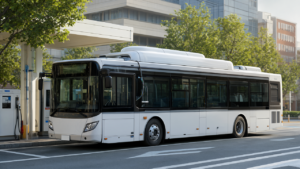
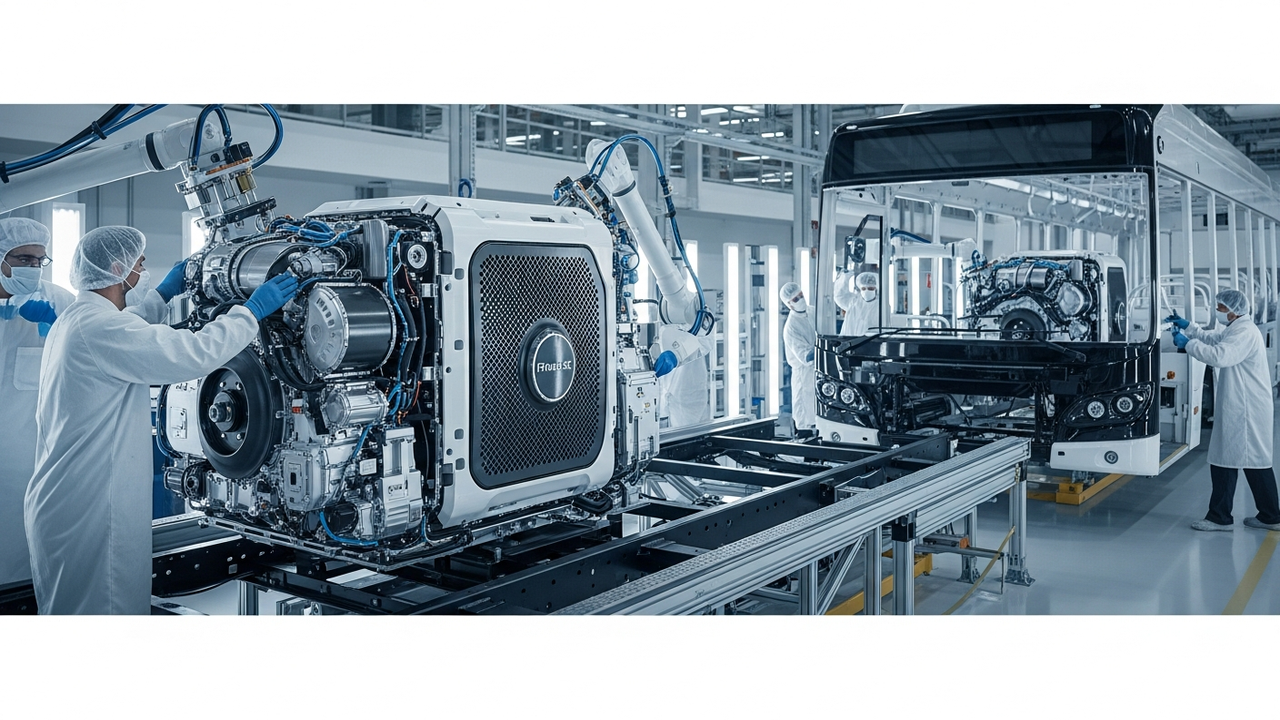
In May 2026, two prominent European bus manufacturers, Wrightbus and Solaris, announced their decision to integrate Ballard Power Systems’ FCmove-SC fuel cell engine into their next-generation platforms. This adoption signifies the industry’s recognition of Ballard’s fuel cell technology as a leader in reliability, performance, and durability for zero-emission urban bus applications. Ballard’s global fuel cell bus fleet has already logged over 300 million kilometers with more than 2,200 buses in operation, boasting an impressive 98% uptime and a pristine safety record of zero incidents.
Technical Details and Market Impact
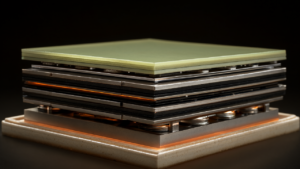
The FCmove-SC engine represents Ballard’s latest generation of fuel cell technology, optimized specifically for bus applications. This engine is characterized by high efficiency, long operational life, and robust performance under demanding operating conditions. The selection by Wrightbus and Solaris indicates that fuel cell buses are becoming an increasingly established alternative or complementary solution to battery-electric buses in the accelerating European market for zero-emission public transport. Fuel cell buses offer distinct advantages, including rapid refueling, longer range, and a lighter energy system, making them particularly suitable for high-demand routes and extended operational durations.
Background & Industry Context
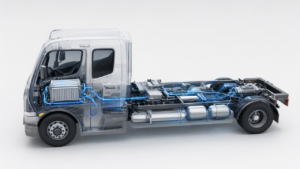
The global transportation sector is under immense pressure to transition away from fossil fuels to address climate change and improve urban air quality. The electrification of public transport, especially bus fleets, is a critical step in this transition. However, widespread adoption of hydrogen fuel cell buses still faces significant challenges, primarily volatile hydrogen prices and inconsistent hydrogen refueling infrastructure across European cities. The cost and availability of hydrogen fueling stations remain a concern for fleet operators, constraining the economics at a fleet level. Nations like Germany are actively addressing these challenges by launching new funding schemes to support the procurement of hydrogen fuel cell trucks and associated refueling infrastructure.
Strategic Significance & Outlook
The adoption of the FCmove-SC engine by Wrightbus and Solaris represents a substantial business opportunity for Ballard Power Systems, and further partnerships with leading bus manufacturers in Europe and globally are anticipated. Continued improvements in fuel cell technology, reductions in hydrogen production costs, and the expansion of refueling infrastructure will be key to enhancing the commercial viability of fuel cell buses. International cooperation and government support mechanisms will play a crucial role in accelerating the development of the entire hydrogen ecosystem and building a sustainable future for public transport. Particularly in cities and regions committed to long-term zero-emission targets, further adoption of fuel cell buses is projected.
Source: https://hydrogenfuelcells.com/one-engine-chosen-by-two-oems/