Key Findings
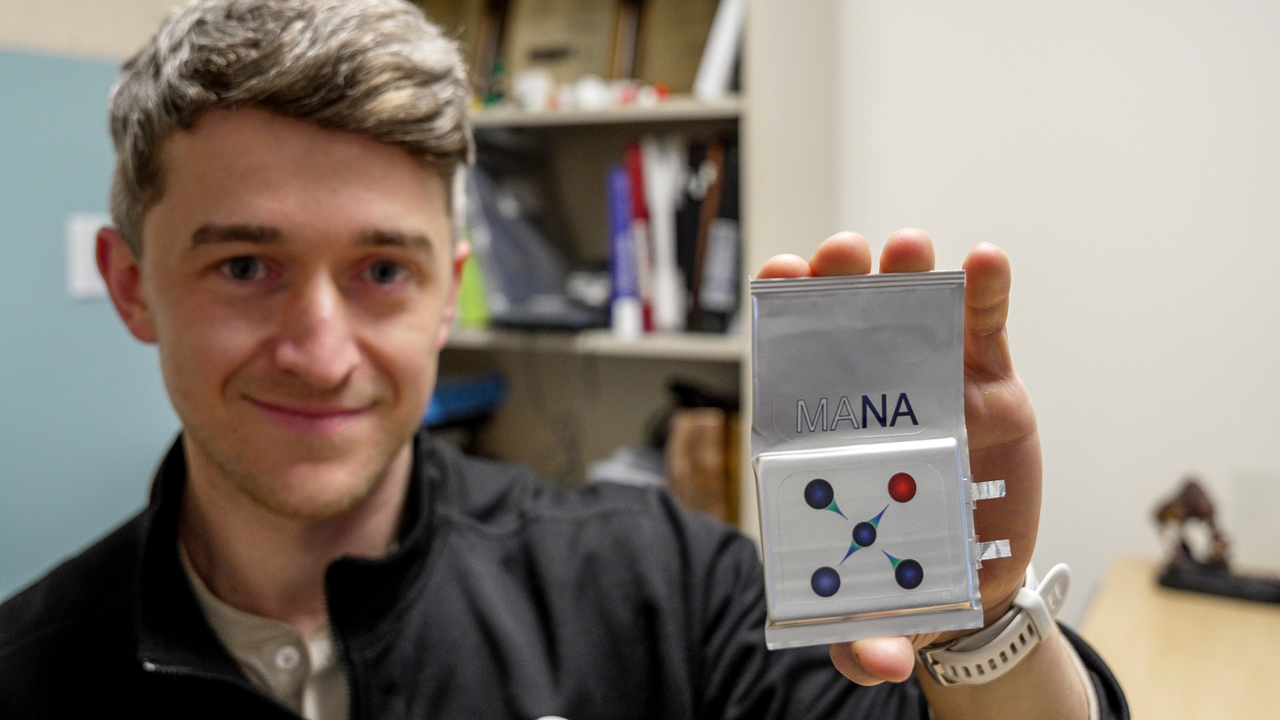
The University of Colorado Boulder (CU Boulder) is recognized as a crucial hub for driving innovation in next-generation battery technology. Solid Power Inc., a startup spun out from the research of CU Boulder faculty Se-Hee Lee and Conrad Stoldt, has forged strategic partnerships with automotive and battery industry giants like BMW, Ford, and Samsung SDI, positioning itself as a leader in solid-state battery commercialization. Simultaneously, Mana Battery, another spin-off, is addressing significant market demands for renewable energy storage systems by developing safer, more affordable, and longer-lasting sodium-ion batteries.
Technical Details and Research Directions
Researchers at CU Boulder are engaged in cutting-edge research across diverse battery chemistries and applications:
- Solid Power Inc. (Solid-State Batteries): Founded by Se-Hee Lee and Conrad Stoldt, Solid Power is developing solid-state batteries based on sulfide solid electrolytes. Compared to conventional lithium-ion batteries that use liquid electrolytes, solid-state batteries offer higher energy density, superior safety (reduced risk of leakage and fire), and longer cycle life. Partnerships with BMW, Ford, and Samsung SDI underscore the high potential for commercialization in the automotive industry, promising extended EV range and enhanced safety.
- Mana Battery (Sodium-Ion Batteries): Mana Battery focuses on developing sodium-ion batteries (NIBs), leveraging abundant and inexpensive sodium resources as an alternative to lithium. NIBs hold potential to offer lower costs, improved safety, and longer cycle life than LIBs, particularly for stationary energy storage systems (ESS). Their excellent performance in low-temperature environments also makes them suitable for widespread deployment across various climates. The U.S. Department of Energy (DOE) is also providing funding for NIB development projects.
- Other Research Areas: CU Boulder’s broader research portfolio includes studies utilizing spin trapping methods to identify electrolyte reduction intermediates in lithium metal batteries, and investigations into electrolyte additives for lithium-sulfur batteries, generating innovative results across fundamental and applied science.
Background & Industry Context
The global energy storage market is experiencing unprecedented growth, driven by the proliferation of electric vehicles (EVs), grid integration of renewable energy, and the surging power demands from AI data centers. To meet this demand, next-generation battery technologies that offer superior safety, sustainability, and cost-effectiveness—outperforming existing lithium-ion batteries—are essential. University spin-offs play a vital role in translating fundamental research into market-ready products, and institutions like CU Boulder are building robust innovation ecosystems. The U.S. government is also actively supporting domestic supply chain strengthening and new technology development through initiatives like the Critical Material Innovation program, which has awarded $15 million for NIB and SiOC anode material development.
Strategic Significance & Outlook
Technologies originating from CU Boulder are poised to shape the future of the battery industry. The commercialization of solid-state batteries by Solid Power will bring significant transformation to the EV market, while Mana Battery’s sodium-ion batteries are set to become a primary solution for the large-scale ESS market. These technologies are expected to balance high battery performance with cost reduction, making significant contributions to global decarbonization efforts and energy transition goals. Further strengthening collaborations between academia and industry will shorten the timeline from fundamental research to market deployment, enabling more rapid technological diffusion.
Source: https://www.colorado.edu/venturepartners/2026/06/02/internal-news/powerhouse-battery-breakthroughs