Key Findings
ABL Bio presented compelling preclinical data for its bispecific Antibody-Drug Conjugate (ADC) candidate, ABL209 (NEOK002), at the 5th World ADC South Korea 2026. ABL209 is currently undergoing Phase 1 clinical trials in the United States, positioning it as a leading next-generation ADC designed to address tumor heterogeneity and enhance therapeutic outcomes in cancer treatment.
Technical / Clinical Details
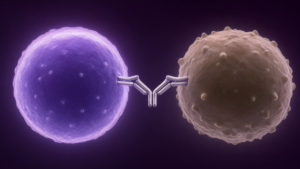
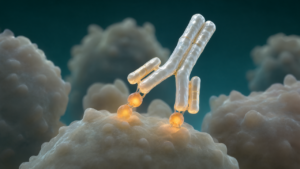
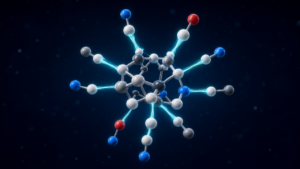
ABL209 leverages a bispecific antibody platform that simultaneously targets two prevalent cancer-associated antigens: EGFR (Epidermal Growth Factor Receptor) and MUC1 (Mucin 1). The ADC is conjugated with a topoisomerase I inhibitor as its cytotoxic payload via a protease-cleavable linker. This dual-targeting strategy is engineered to improve tumor-specific drug delivery, thereby reducing off-target toxicity to healthy cells and maximizing anti-cancer efficacy, especially in heterogeneous tumors where single-target approaches may be insufficient. Preclinical studies demonstrated that ABL209 exhibited sub-nanomolar cytotoxicity against dual-positive cells and, crucially, robust bystander killing effects on antigen-negative cells in vitro. In a triple-negative breast cancer (TNBC) patient-derived xenograft (PDX) model, ABL209 achieved complete and sustained tumor regressions, highlighting its potential to overcome challenges posed by heterogeneous antigen expression within tumors. The ongoing Phase 1 trial in the US, managed by ABL Bio’s affiliate Neok Bio, is evaluating the safety, tolerability, pharmacokinetics, and preliminary anti-tumor activity of ABL209.
Background & Context
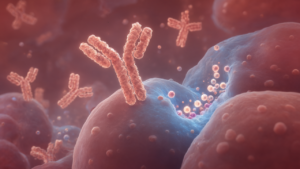
Antibody-Drug Conjugates (ADCs) have emerged as a powerful class of targeted cancer therapies, combining the specificity of monoclonal antibodies with the potency of cytotoxic drugs. However, the efficacy of conventional monospecific ADCs can be limited by tumor heterogeneity, where not all cancer cells express the target antigen. Bispecific ADCs like ABL209 are designed to overcome this limitation by binding to multiple targets, potentially increasing the therapeutic window and reducing the likelihood of resistance. The development of such next-generation ADCs is critical for addressing unmet needs in solid tumors, including breast cancer, which often exhibit significant heterogeneity.
Strategic Significance & Outlook
The progression of ABL209 into Phase 1 clinical trials in the US, combined with promising preclinical data, signals its significant potential in the highly competitive ADC landscape. This candidate aims to be a first-in-class therapeutic for patients with heterogeneous solid tumors who may not respond optimally to existing single-target therapies. ABL Bio’s strategic focus on a bispecific approach with an established payload mechanism underscores its commitment to innovative cancer treatments. Successful clinical development of ABL209 could lead to a new treatment paradigm, offering improved outcomes for patients with challenging-to-treat cancers and solidifying ABL Bio’s position as a leader in advanced ADC technology.
Source: https://en.sedaily.com/finance/2026/06/08/abl-bio-to-showcase-bispecific-adc-at-world-adc-korea