Key Findings
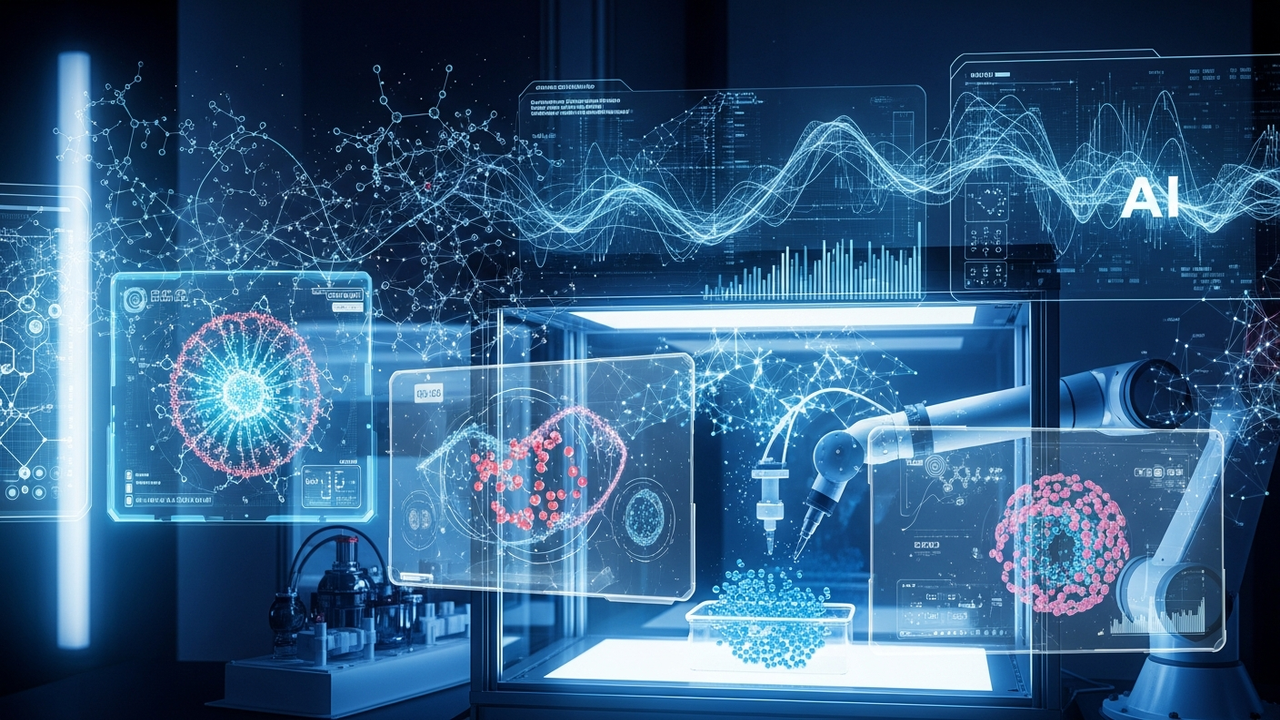
Machine learning (ML) and deep learning (DL) strategies are bringing about transformative progress in drug discovery, particularly in enhancing target identification and precision nanomedicine. These AI-driven technologies are streamlining the selection of drug candidates and improving the specificity and efficacy of therapeutics, thereby boosting the overall efficiency of the drug discovery process.
Technical / Clinical Details
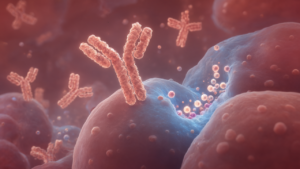
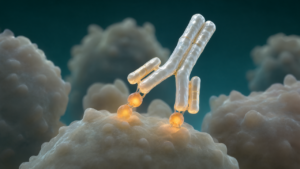
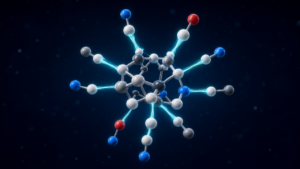
ML and DL algorithms are adept at learning complex patterns from vast biological and chemical datasets, finding applications across various stages of drug discovery. In target identification, they analyze gene expression data, proteomics profiles, and disease-relevant networks to predict novel therapeutic targets. Virtual screening and bioactivity prediction enable the rapid identification of the most promising candidates from millions of compounds, significantly reducing the cost and time of wet-lab experimentation. Protein-ligand interaction modeling simulates in detail how drugs bind to target molecules, facilitating the design of compounds with optimized binding characteristics. Furthermore, biological pathway analysis helps predict a drug’s impact on multiple cellular pathways, contributing to the development of more specific therapeutics with fewer off-target effects. Deep learning’s capabilities are especially evident in medical image analysis for disease diagnosis, genomic data interpretation for genetic mutations, and high-accuracy protein structure prediction, as exemplified by models like AlphaFold.
Background & Context
The traditional drug discovery paradigm has long been plagued by challenges of being time-consuming, expensive, and having low success rates. However, with the exponential growth of big data and advancements in AI technologies, the pharmaceutical industry is transitioning towards a more data-driven approach. ML and DL empower researchers to analyze complex datasets that are unmanageable by human capacity, leading to more informed decision-making. This acceleration shortens the timeframe from early-stage lead identification to preclinical development, thereby improving the overall productivity of R&D pipelines. In precision nanomedicine, AI contributes to the design of nanocarriers, optimization of drug release profiles, and enhancement of targeted delivery to specific cells, accelerating the realization of personalized medicine.
Strategic Significance & Outlook
The integration of AI/ML technologies into drug discovery is set to accelerate further, promising continuous innovation. Future developments will likely include advanced integrated analysis of multi-omics data and improved prediction accuracy of clinical outcomes using real-world data (RWD). Moreover, AI will play an increasingly central role in the design and optimization of new modalities such as cell and gene therapies. As validation and standardization of AI models progress in collaboration with regulatory bodies, more AI-driven drugs are expected to move from clinical development to market. This acceleration in the discovery and development of groundbreaking drugs for challenging diseases promises to deliver new therapeutic options that enhance the quality of life for patients globally.