Key Findings
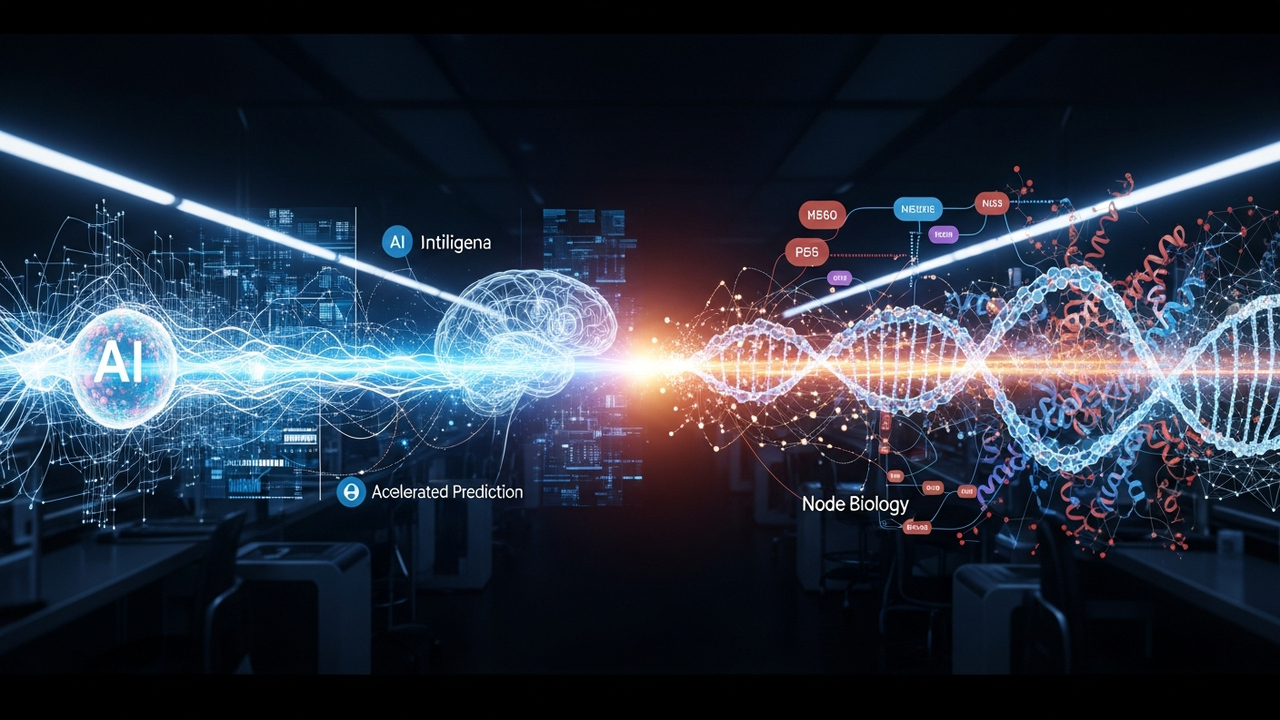
An innovative approach combining artificial intelligence (AI) with “nodal biology” is set to transform drug discovery by accelerating target identification through predictive modeling of human cellular responses to disease. This integration is envisioned to construct a future drug discovery engine, dramatically enhancing the efficiency and success rates of the entire process.
Technical / Clinical Details
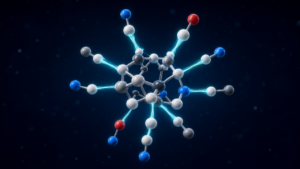
Nodal biology focuses on identifying key regulatory points (nodes) within cellular signaling pathways and genetic networks. Understanding how these nodes functionally change in disease states allows for the identification of more effective therapeutic intervention points. Advanced AI models, such as AlphaFold, leverage their protein structure prediction capabilities to accurately visualize drug-target binding in silico. This computational advantage enables efficient prioritization of promising molecules from a vast pool of candidates before costly and time-consuming wet-lab experiments. Such an AI-driven approach significantly compresses timelines from target identification to lead optimization. By deciphering complex biological systems and addressing the fundamental causes of disease, this method holds the potential for developing more personalized and precise treatment strategies.
Background & Context
Traditional drug discovery has long relied on a labor-intensive, ‘trial-and-error’ screening of millions of compounds, often resulting in high costs, long timelines, and low success rates. The advent of AI, particularly the breakthrough in protein structure prediction by AlphaFold, has infused the drug discovery process with robust rational design and predictive capabilities. The combination with nodal biology offers a deeper understanding of complex disease mechanisms and opens new avenues for discovering previously overlooked therapeutic targets. This strategic shift is crucial for addressing the R&D efficiency challenges faced by the pharmaceutical industry, aiming to deliver innovative treatments to patients more rapidly.
Strategic Significance & Outlook
The integration of AI and nodal biology is a pivotal development in shaping the future of drug discovery. As this approach matures, AI is expected to play an even greater role across all stages of the drug discovery process, from target validation and biomarker discovery to clinical trial design. By fostering a synergistic collaboration between human intelligence and AI, leveraging their respective strengths, the development of groundbreaking drugs for previously untreatable diseases is anticipated to accelerate. This will lead to substantial improvements in both the ‘success rate’ and ‘speed’ of drug discovery, promising a continuous flow of new medications to address unmet medical needs for patients worldwide.