Key Findings
The Canadian Space Agency (CSA) has awarded a total of $2 million across four new research contracts focused on Lunar In-Situ Resource Utilization (ISRU) to support human survival and sustainable activities on the Moon. This significant investment aims to accelerate the development of technologies for extracting resources from lunar regolith and to explore power systems for lunar bases, particularly compact nuclear reactor technology. Selected entities, including Canadian Strategic Missions Corporation, SpaceDIRT, and Volta Space Technologies Inc., will dedicate the next 10 months to addressing challenges in resource management and power generation within the lunar environment.
Technical Details
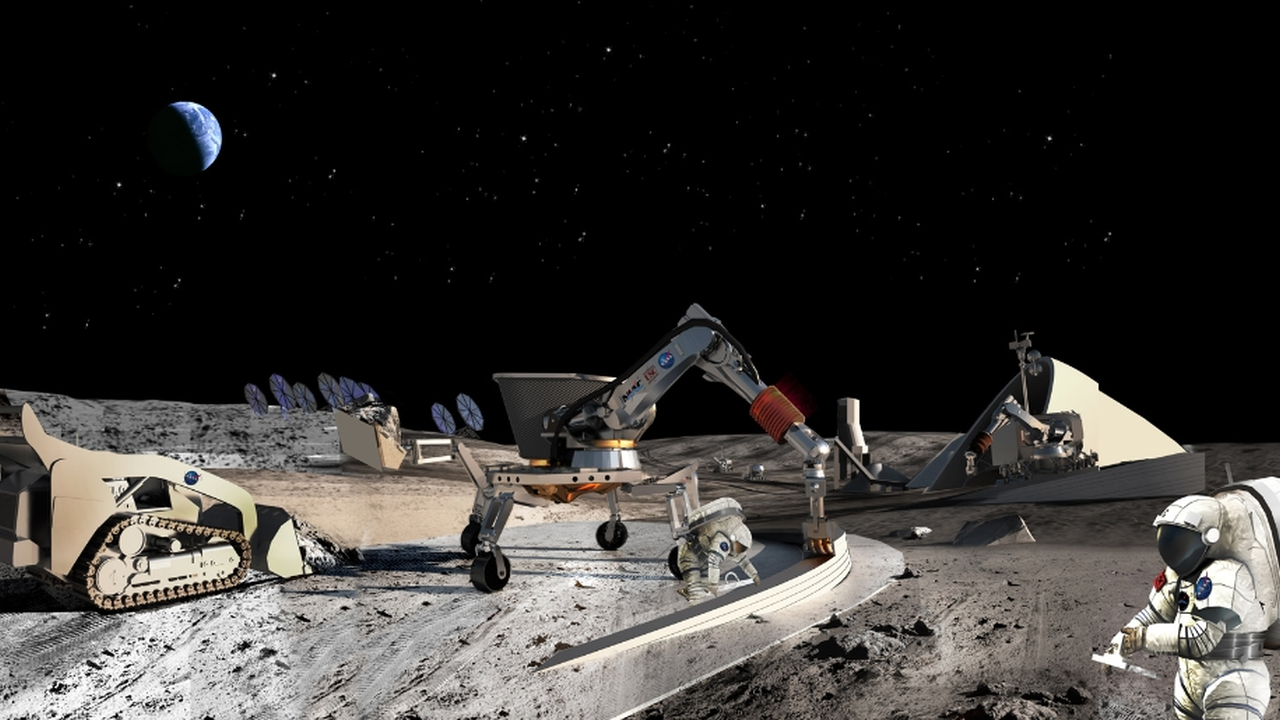
The primary focus of ISRU research lies in technologies for extracting and processing usable materials such as water, oxygen, and metals from lunar regolith. For instance, studies are exploring systems to extract water ice by heating regolith and then generating oxygen and hydrogen (usable as rocket fuel) through electrolysis. Techniques for reducing metal components in regolith for construction materials and parts manufacturing are also included. Regarding power systems, a reliable energy source capable of sustaining activities during the prolonged lunar night (approximately 14 Earth days) under extreme cold and darkness is indispensable, making the development of compact fission reactors a critical challenge. Canadian research teams aim to demonstrate the efficiency, scalability, and reliability of these resource utilization and power generation technologies in the lunar environment.
Background and Industry Context
With global interest in lunar exploration surging, driven by initiatives like NASA’s Artemis program, establishing a sustainable human presence on the Moon requires a shift from an ‘Earth-dependent model’ that relies entirely on supplies from Earth to a ‘self-sufficient model’ leveraging in-situ resources. ISRU technology is key to drastically reducing transportation costs and enhancing mission independence and flexibility. Furthermore, a stable power supply on the Moon is essential for scientific observation, experiments, communications, and life support systems, with nuclear power being the leading candidate for the lunar night when solar power is unavailable. The Canadian government aims to foster its domestic space industry and play a significant role in international lunar exploration efforts, and this grant demonstrates its strategic commitment.
Future Outlook
The CSA’s $2 million grant for ISRU research represents a crucial step for Canada to become a major player on the frontier of lunar resource utilization technologies. Successful outcomes from these studies will make the construction, maintenance, and long-term operation of lunar bases more feasible. In particular, the development of compact nuclear reactor technology will revolutionize lunar power supply, providing an essential foundation for extracting water ice at the poles and producing fuel for future crewed Mars missions. This investment is expected to stimulate technological innovation within Canada’s space industry and create opportunities for domestic startups and companies to contribute to the international space supply chain. Ultimately, it will play a decisive role in accelerating humanity’s sustainable return to the Moon and expansion into the space frontier.