Key Findings
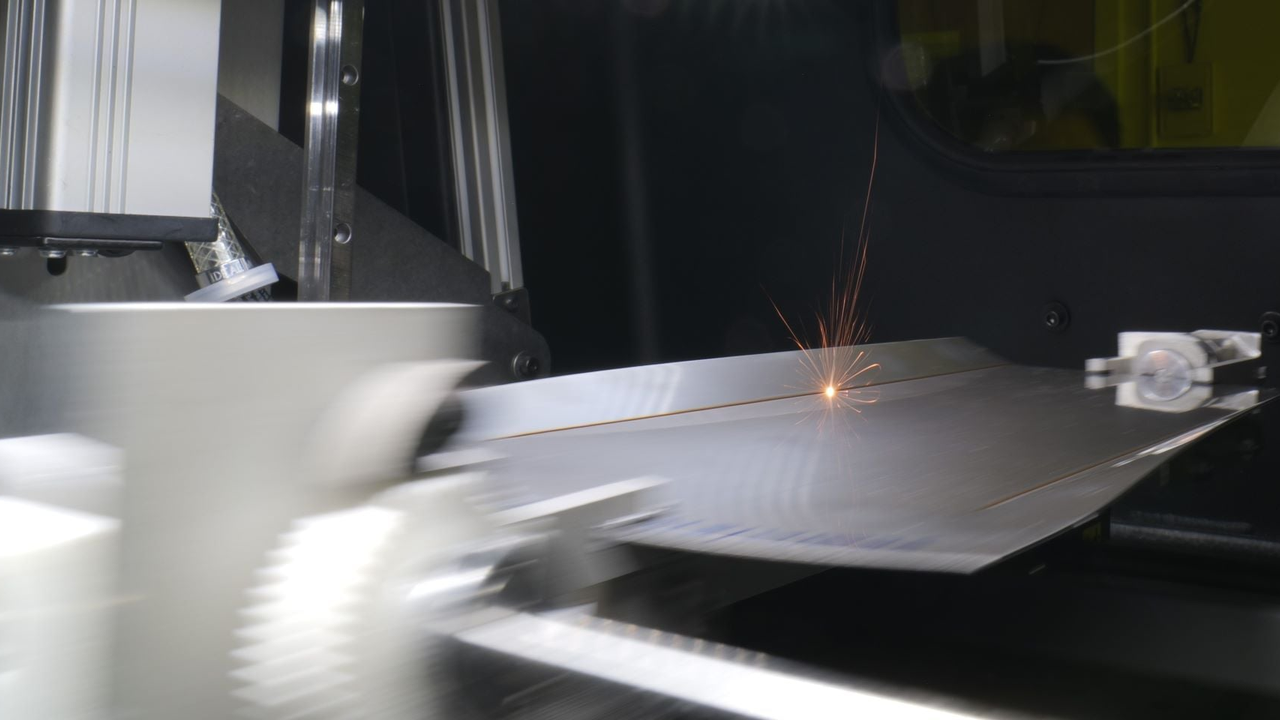
Researchers at the University of Florida are actively exploring innovative methods for constructing structures on the Moon using an advanced laser-forming technique, colloquially referred to as ‘laser origami.’ This technology enables materials to be precisely bent without physical contact through controlled laser application. It introduces a groundbreaking concept: converting lunar soil (regolith) into architectural materials such as glass or ceramics for construction purposes. This breakthrough holds significant potential to dramatically enhance the self-sufficiency and sustainability of lunar bases.
Technical Details
The laser-forming technology involves directing specific wavelengths of laser light onto the material’s surface, causing it to heat up and bend due to thermal stress. Lunar regolith, primarily composed of minerals like silicon dioxide and aluminum oxide, can be sintered, melted, and transformed into glassy or ceramic-like materials when heated under appropriate temperatures and conditions. This ‘laser origami’ technology aims to precisely mold regolith-based building materials into components with complex shapes and structures. Potential applications include 3D printing structural elements for lunar habitats, radiation shielding walls, landing pads, and even repair tools or spare parts directly on the lunar surface. This technology would drastically reduce the cost of transporting materials from Earth and significantly enhance the sustainability and flexibility of lunar missions.
Background and Industry Context
NASA’s Artemis program and other international lunar exploration missions aim to establish a long-term human presence on the Moon. To achieve this goal, In-Situ Resource Utilization (ISRU) technologies are indispensable. ISRU is a philosophy that seeks to minimize the cost and risks associated with Earth-based supply by converting available lunar resources (such as regolith and water ice) into food, oxygen, fuel, and construction materials. In current space development, various countries are focusing on this area; for instance, the Canadian Space Agency has awarded $2 million for lunar ISRU studies. The University of Florida’s research proposes an advanced methodology for utilizing lunar regolith directly as a building material as part of ISRU, which is a critically important technology for enhancing the autonomy of lunar bases.
Future Outlook
Lunar construction using laser ‘origami’ technology holds the potential to revolutionize the design and operation of future lunar bases. The ability to 3D print structures directly on the Moon would eliminate the need for transporting heavy construction materials from Earth, significantly reducing mission costs and complexity. This makes the construction of larger, more permanent lunar habitats and research outposts a realistic prospect. Beyond enhancing astronaut habitability and safety, enabling longer stays, the advancement of this technology will also expand the scope and efficiency of scientific exploration on the Moon. Furthermore, this technology could be applied to in-situ construction for crewed missions to Mars, marking a crucial step for humanity to expand its presence across the solar system.
Source: https://www.universetoday.com/articles/building-in-space-with-laser-origami