Key Findings
During COMPUTEX 2026, Compal Electronics, in a strategic collaboration with NVIDIA, Vernus AI, major Taiwanese universities, and several pharmaceutical companies, unveiled a groundbreaking drug discovery system integrating quantum technology and artificial intelligence. This platform is designed to drastically reduce the duration of the drug discovery process and efficiently transition laboratory workflows to industrial production levels.
Technical Details
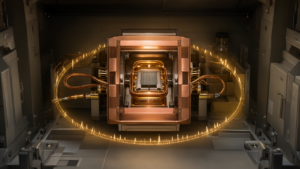
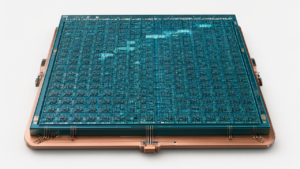
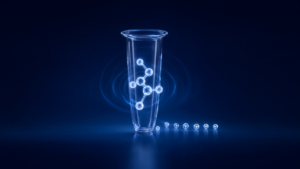
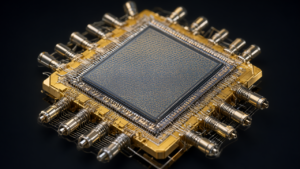
Compal’s developed ‘CGA-QX docking system’ combines two powerful technologies: NVIDIA CUDA-Q quantum simulation and GPU-accelerated simulated quantum annealing. This integrated system has achieved a remarkable speedup of up to 3,500 times in molecular structure searching. Particularly significant improvements were observed in binding energy predictions for Alzheimer’s disease-related targets, which will accelerate the identification and optimization of new drug candidates. Molecular docking simulations, which traditionally demand immense computational time, can now be executed within practical timeframes using this system, helping to resolve a critical bottleneck in drug discovery research.
Background and Industry Context
The discovery and development of pharmaceutical drugs is an enormously time-consuming and costly process, often taking over a decade and billions of dollars. Existing computational chemistry tools face limitations in fully modeling complex molecular interactions, necessitating extensive physical experimentation. The fusion of quantum computing and AI stands as one of the most promising approaches to overcome these challenges. By leveraging quantum mechanical principles for more accurate simulations of molecular-level interactions, and utilizing AI for efficient analysis of vast datasets, it becomes possible to enhance the overall efficiency and success rate of the entire drug discovery pipeline. This collaboration in Taiwan, featuring Compal’s strength in hardware manufacturing, positions the company to lead innovation in applying cutting-edge quantum AI to biotechnology in the Asia-Pacific region.
Strategic Significance and Outlook
The introduction of this quantum-AI integrated system holds the potential to fundamentally transform the future of drug discovery. By significantly shortening molecular design cycles, it is expected that new therapeutic agents for previously intractable diseases can be brought to patients more rapidly. Compal plans to further develop this platform, extending its application to a wider range of disease areas and research stages. In the long term, this technology is anticipated to accelerate the digital transformation of the entire pharmaceutical industry and contribute to advancements in personalized and precision medicine. The platform will continue to deepen its application and validation in real-world research challenges through ongoing collaboration with leading Taiwanese universities and pharmaceutical firms.
Source: https://quantumaiinsiders.com/quantum-ai-biotech-compal-reaix/