Key Findings
The integration of biosensors into microphysiological systems (MPS) and Organ-on-a-Chip (OoC) platforms is dramatically advancing the in vitro modeling of cell and tissue functions. This technological convergence enables precise, real-time detection of biomarkers, physiological changes, and drug effects, thereby providing unprecedented insights into disease mechanisms, drug toxicity evaluations, and therapeutic efficacy predictions. Biosensor-integrated OoC systems possess the capability for highly sensitive and selective, non-invasive, real-time monitoring of cellular behavior and responses, offering more clinically relevant models for drug discovery screening, disease modeling, and personalized medicine.
Technical and Clinical Details
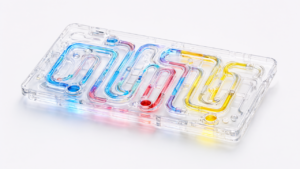
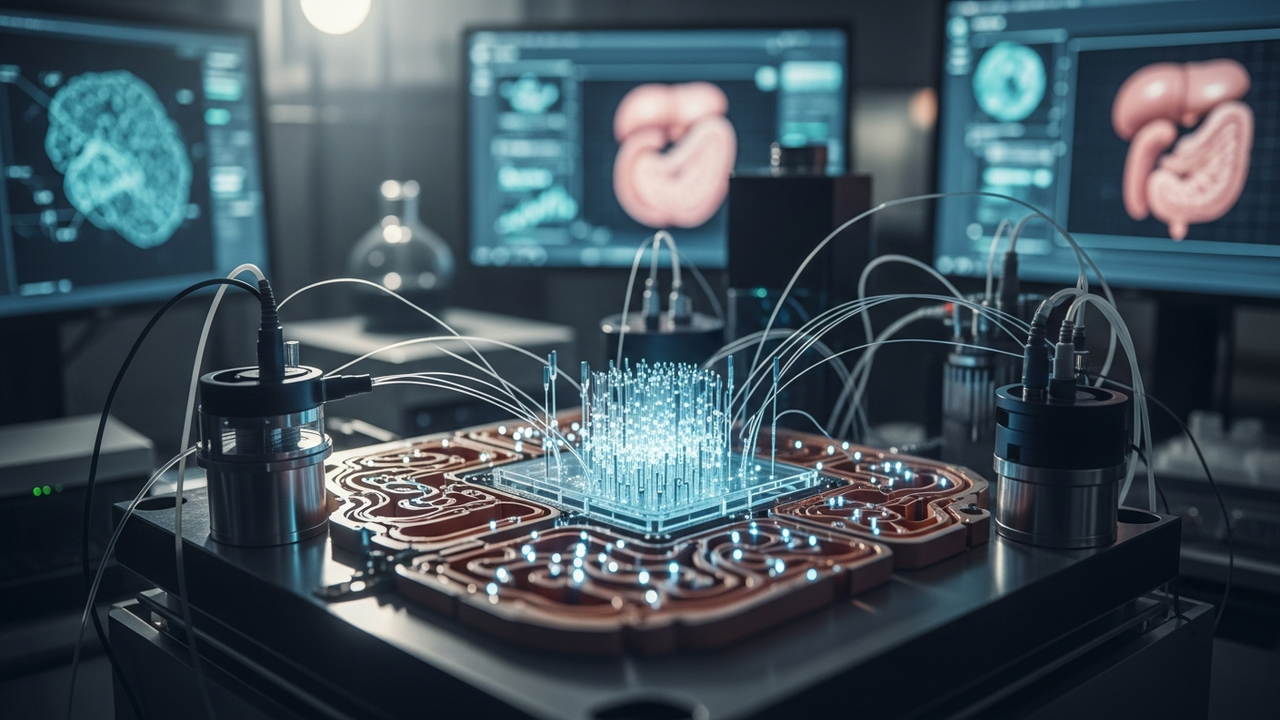
OoC systems are microfluidic devices designed to mimic the microenvironment and functions of living organs, allowing for precise control over cell culture, fluid dynamics, and biomolecule supply and waste removal. By integrating biosensors based on electrochemical, optical, or piezoelectric principles, a wide array of biomarkers and physiological parameters—such as cell metabolites, inflammatory cytokines, pH, oxygen concentration, and mechanical stress—can be measured directly and continuously. For example, in a pancreas OoC designed to model diabetes, biosensors can detect insulin secretion responses in real-time, enabling evaluation of drug effects on blood glucose. This approach helps reduce failure rates in animal experiments and early-phase clinical trials, contributing to a more rapid and efficient drug discovery process.
Background and Industry Context
Traditional 2D cell cultures and animal models often fail to adequately replicate human physiological complexity, contributing to high drug discovery failure rates. OoC technology has emerged as a promising solution to bridge this gap, but realizing its full potential requires accurate, real-time assessment of cellular responses. The integration of biosensors transforms OoC from mere culture platforms into ‘living diagnostic tools’ capable of acquiring dynamic biological information. This also facilitates ‘avatar models’ in personalized medicine, where a patient’s own cells can be used to predict drug responses and select optimal treatment strategies.
Strategic Significance and Outlook
Biosensor-integrated OoC systems are poised to become indispensable tools for streamlining drug discovery pipelines, developing novel therapies, and advancing personalized medicine. Future developments are expected to include the creation of more complex ‘Human-on-a-Chip’ systems that replicate multi-organ interactions, featuring integrated multiplex biosensors for comprehensive monitoring of each organ’s status. Furthermore, the combination with AI is anticipated to enable the analysis of vast datasets generated from OoC, leading to intelligent systems that predict disease progression patterns and drug responses. This will accelerate the translation from basic research to clinical application, holding the potential for revolutionary medical innovation.