Key Findings
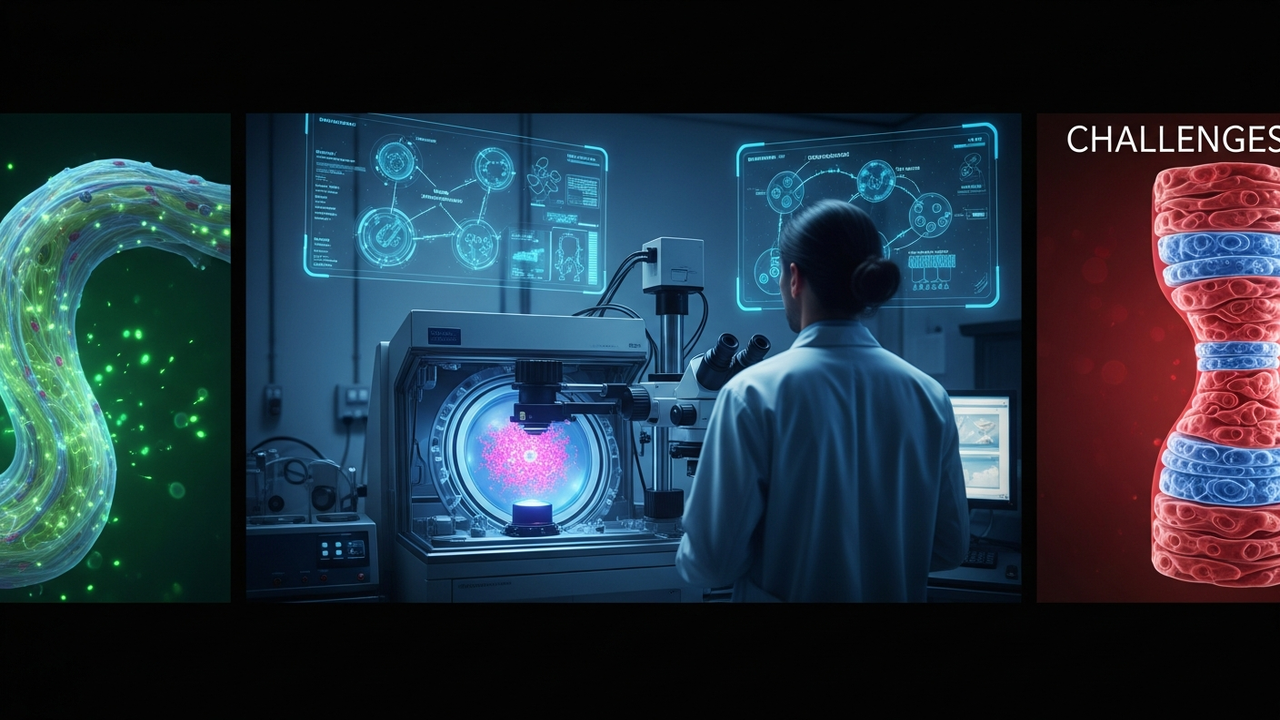
A scholarly article published in MDPI provides a comprehensive review of advancements in direct cellular reprogramming technology for regenerative medicine, emphasizing its transformative potential, particularly in converting fibrotic tissues into functional parenchymal tissues. Concurrently, it identifies critical unresolved challenges for clinical application, such as limited reprogramming efficiency, concerns regarding long-term cell functional stability, complexities in integrating with existing cellular circuitry, and safety issues associated with viral vectors and immune responses.
Technical / Clinical Details
- Mechanism of Direct Cellular Reprogramming: Direct cellular reprogramming involves introducing specific transcription factors or small molecules into mature somatic cells to directly convert them into desired cell types (e.g., neurons, cardiomyocytes) without passing through a pluripotent state. This approach potentially offers advantages over iPSC (induced pluripotent stem cell)-based methods, including reduced tumor formation risk and faster cell preparation.
- Transformation of Fibrotic Tissue into Functional Parenchyma: The potential to directly reprogram fibrotic tissues (e.g., cardiac fibrosis, liver fibrosis), which result from chronic disease or injury, into functional parenchymal cells (e.g., cardiomyocytes, hepatocytes) is a revolutionary approach in regenerative medicine. This could directly lead to tissue functional recovery and disease improvement.
- Unresolved Challenges:
- Limited Reprogramming Efficiency: Current technologies often suffer from low conversion efficiency to the desired cell type, necessitating further improvements to obtain sufficient quantities of functional cells for therapeutic use.
- Long-Term Functional Stability: There is insufficient evaluation of whether reprogrammed cells can maintain stable function long-term in vivo.
- Integration with Existing Cellular Circuitry: For transplanted cells to properly integrate and function cooperatively with the host’s existing tissues and cellular networks is essential for maximizing therapeutic efficacy, posing a complex challenge.
- Safety Concerns: Genetic delivery using viral vectors (e.g., retroviruses, adenoviruses) carries risks of oncogenesis or unintended immune responses. The development of non-viral vectors or RNA/protein-based reprogramming methods is highly desirable to mitigate these risks.
Background & Context
Regenerative medicine aims to treat diseases by repairing or replacing damaged cells and tissues, addressing areas with significant unmet medical needs. Direct cellular reprogramming is a major pillar of regenerative medicine, alongside approaches using iPSCs and ESCs (embryonic stem cells). This technology has the potential to broaden personalized medicine and pave the way for autologous cell therapies with reduced rejection risk, yet significant technical and safety hurdles remain for clinical translation.
Strategic Significance & Outlook
This paper provides valuable insights into the current status and future directions of direct cellular reprogramming technology. Future research must focus on enhancing reprogramming efficiency, developing virus-free methods, evaluating long-term functional stability of cells, and elucidating mechanisms of cellular integration in vivo. If these challenges are overcome, direct cellular reprogramming holds the potential to profoundly change the future of regenerative medicine as an innovative and safe therapeutic option for diverse conditions such as fibrosis, neurodegenerative diseases, and cardiovascular diseases.