Key Findings
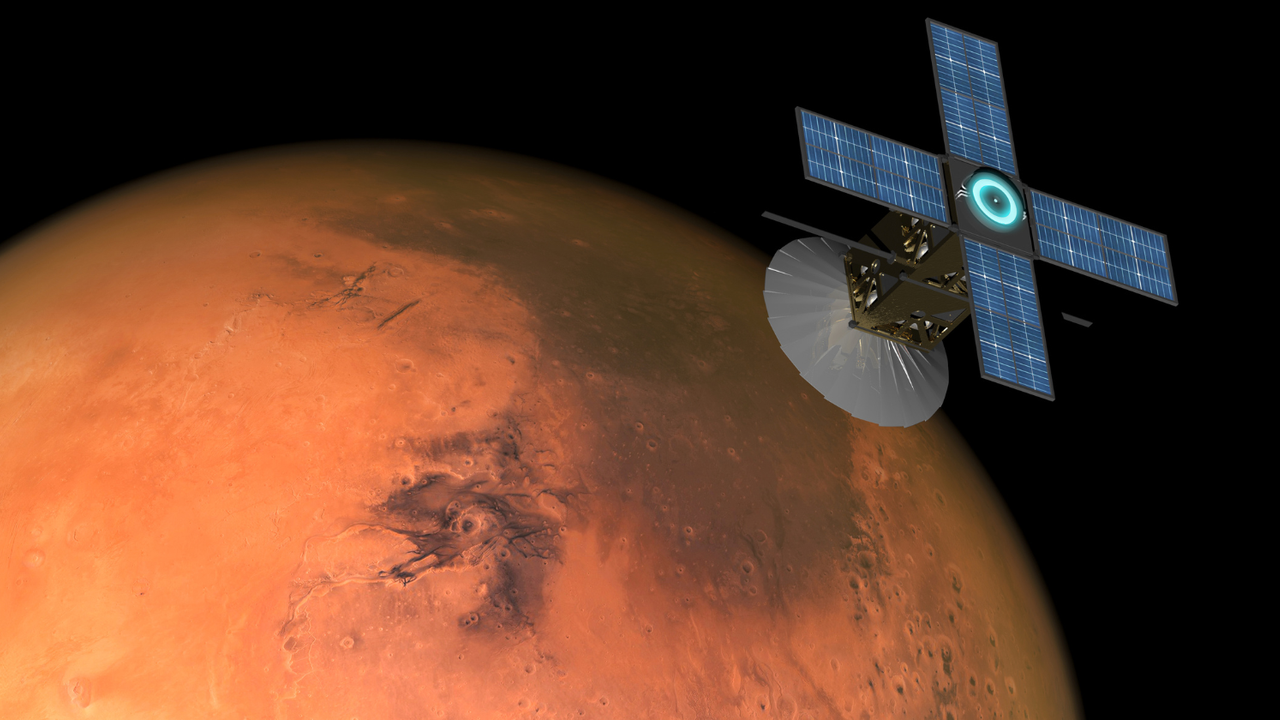
NASA has announced its intention to launch the ‘Space Reactor 1 (SR-1) Freedom’ mission, a nuclear-powered spacecraft destined for Mars, with a target launch window in late 2028. This groundbreaking project is being fast-tracked through a strategic integration of two previously distinct major programs: a research reactor developed by the U.S. Department of Energy and an existing spacecraft bus initially designed for a lunar space station. The SR-1 Freedom mission is set to be a landmark achievement, marking the first time the U.S. will launch a nuclear reactor into space in over 60 years. It is expected to demonstrate Nuclear Electric Propulsion (NEP) technology, which will significantly reduce travel times to Mars, and serve as a pioneering design for future lunar power systems and deep-space exploration.
Technical Details
The core of the SR-1 Freedom mission is the integration of an advanced nuclear fission reactor with a Nuclear Electric Propulsion (NEP) system. This reactor will generate a substantial amount of electrical power, which will then feed into electric propulsion thrusters, accelerating the spacecraft with much higher efficiency compared to conventional chemical propulsion systems. NEP holds the potential to reduce transit times to Mars by several months, directly leading to reduced astronaut radiation exposure and optimized consumables usage during missions. The spacecraft bus, by repurposing a robust design originally developed for a lunar space station, significantly cuts down on development time and costs. This integrated approach presents a new model for rapidly realizing complex deep-space missions by combining existing technologies from disparate programs. As nuclear reactors can supply more power, they enable missions to remote areas with weak sunlight and provide reliable power for future lunar and Mars bases.
Background and Industry Context
While the history of space nuclear power dates back to the RTG (Radioisotope Thermoelectric Generator) on the Transit 4A satellite in 1961, launching nuclear reactors into space has been approached with caution since the Cold War era due to safety and cost concerns. However, the ambitious goals of crewed lunar and Mars missions and the increasing demand for power in deep-space exploration have made the development of new space nuclear power technologies indispensable. The U.S. government is also considering legislation to establish frameworks for NASA to partner with commercial providers to advance space nuclear technologies critical for national lunar-to-Mars objectives. The SR-1 Freedom mission addresses these national strategies and technological imperatives, positioning itself as a crucial step in re-establishing U.S. preeminence in space.
Future Outlook
The success of the SR-1 Freedom mission has the potential to fundamentally transform human deep-space exploration. Reduced travel times to Mars will not only enhance mission efficiency but also create more frequent exploration opportunities, accelerating the pace of scientific discovery. Furthermore, this technology will lay the foundation for sustainable power supply on the Moon, enabling long-term operations of lunar bases. In the future, NEP technology will be a critical element for missions to even more distant outer reaches of the solar system and for achieving crewed Mars exploration. This integrated approach is expected to provide new guidelines for optimizing resources and rapid execution in future space development projects, stimulating technological innovation across the entire space industry.




