Background
The current AI chip market is heavily reliant on advanced packaging technologies like TSMC’s CoWoS and the availability of High Bandwidth Memory (HBM), both of which represent significant bottlenecks in AI infrastructure development. CoWoS capacity, for instance, is reportedly fully booked through 2026, and HBM supply is similarly reserved until 2026. HBM demand is surging by an astounding 80-100% annually, while supply growth lags significantly at 50-60%. This widening gap is projected by analysts to sustain supply shortages until 2028-2029, creating a critical constraint on the overall growth of the AI industry. This scarcity has prompted major players like Broadcom to secure HBM allocations for 2026 and 2027, with discussions already underway for contracts extending beyond 2028. NVIDIA’s recent multi-year agreement with SK Hynix underscores the exceptionally high strategic value of HBM in the market, demonstrating that robust relationships with key suppliers are increasingly critical for maintaining a competitive edge.
Key Findings
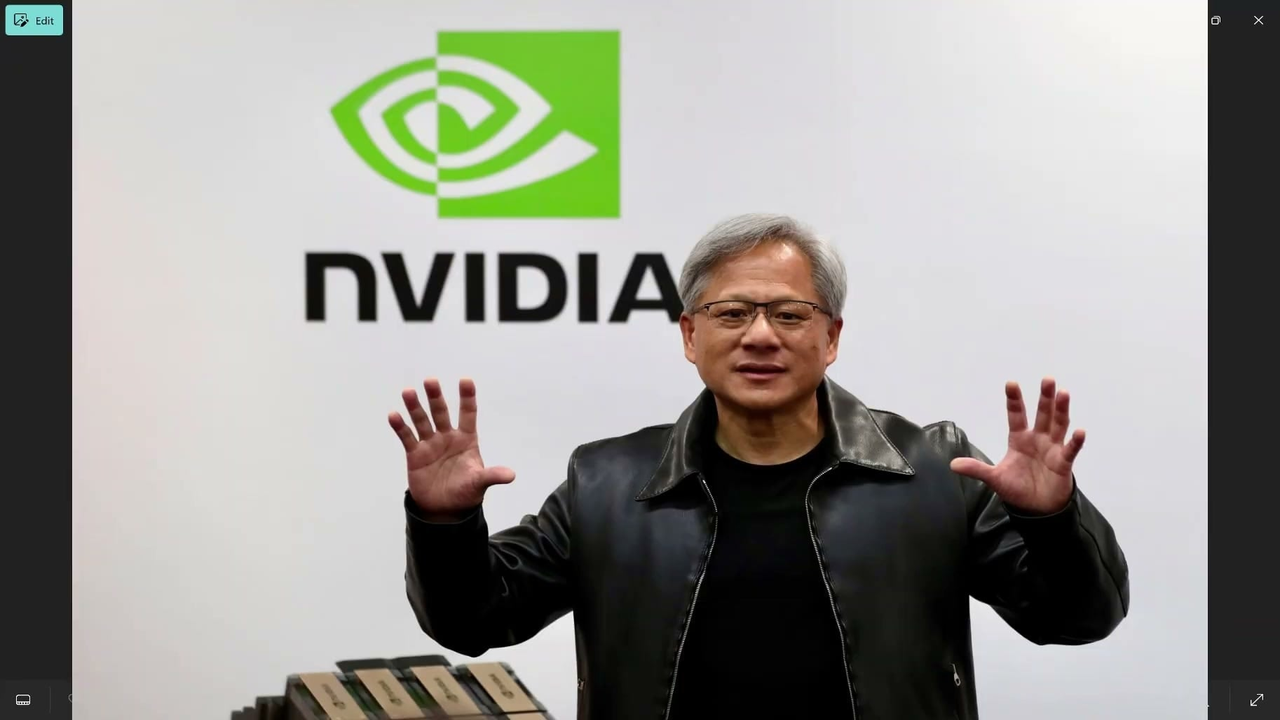
In a strategic move to secure long-term supply stability amidst industry forecasts of persistent HBM shortages extending from 2028 to 2029, NVIDIA CEO Jensen Huang visited South Korea in early June 2026. During his visit, Huang finalized multi-year agreements with key Korean conglomerates including SK Hynix, SK Telecom, Naver, and Doosan Group. These comprehensive deals encompass High Bandwidth Memory (HBM) supply, the establishment of AI cloud infrastructure, and collaboration on related energy systems.
HBM, an essential stacked memory solution featuring ultra-high bandwidth, is critical for maximizing the performance of AI accelerators. As AI chips process increasingly vast datasets, HBM demand has soared at an astounding annual rate of 80-100%. However, supply growth has lagged significantly, expanding by only 50-60% per year, establishing this supply-demand gap as a major bottleneck for the entire AI industry. NVIDIA has committed to adopting HBM4 for its next-generation AI accelerator, the ‘Vera Rubin’ platform, with all three major memory manufacturers – SK Hynix, Samsung Electronics, and Micron Technology – qualified as HBM4 suppliers. SK Hynix, in particular, demonstrates strong competitiveness in HBM manufacturing through advanced packaging techniques such as Mass Reflow Molded Underfill (MR-MUF), and is anticipated to supply the majority of HBM4 for NVIDIA’s Vera Rubin. Beyond securing HBM supply, Huang’s visit also included the announcement of plans to establish an AI R&D center in Seoul, leveraging South Korea’s robust semiconductor manufacturing capabilities and burgeoning AI technology. This initiative underscores NVIDIA’s emphasis on South Korea’s role in the fields of physical AI and robotics.
By securing these long-term HBM supply agreements, NVIDIA has fortified its capacity to ensure the stable market introduction of its next-generation AI accelerators. This move is crucial for solidifying NVIDIA’s leadership in the AI chip market and maintaining its competitive advantage. Despite these efforts, the overall HBM market tightness remains severe. Major suppliers like SK Hynix (with its Indiana plant scheduled to commence operations in late 2028), Samsung (accelerating its transition to hybrid bonding technology), and Micron are rapidly expanding production capacity through multi-trillion-yen investments. The strengthened partnership between NVIDIA and SK Hynix is expected to accelerate the development of AI technologies, facilitating the realization of diverse AI applications in data centers, robotics, autonomous driving, and beyond. As the resolution of the HBM supply shortage is still anticipated to take several years, this strategic supply assurance will be a pivotal factor in NVIDIA’s sustained growth.