Key Findings
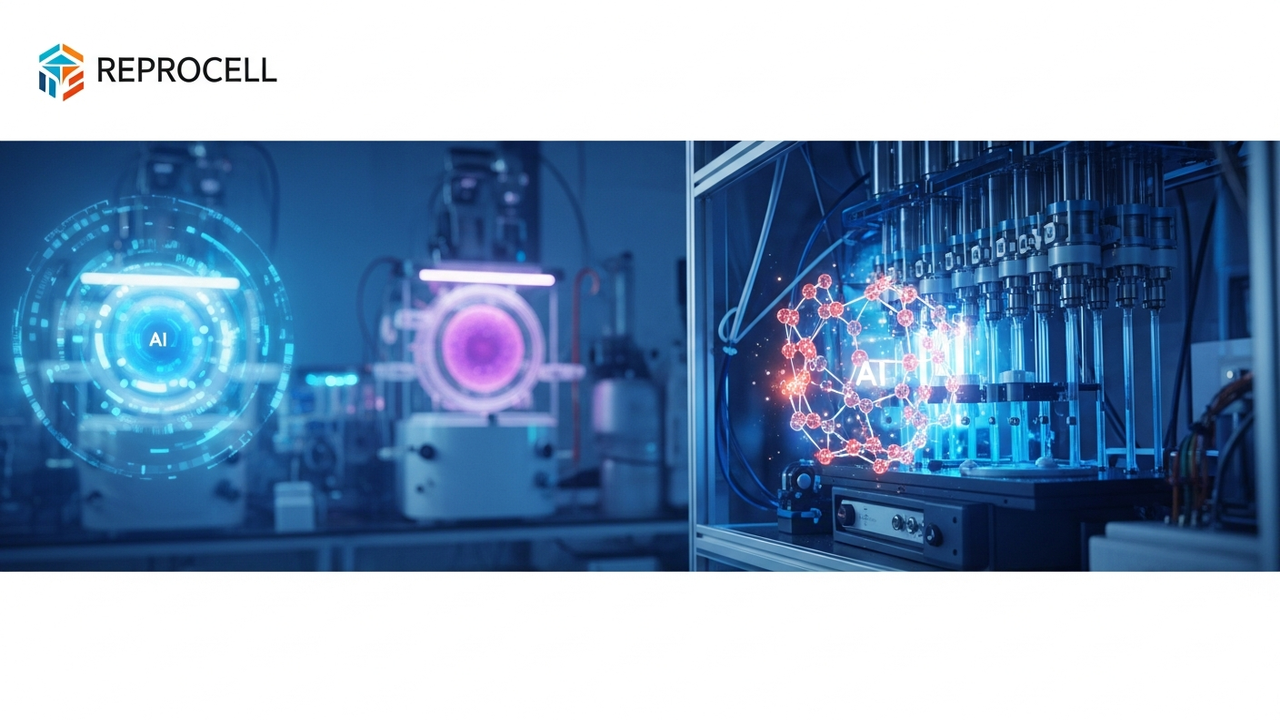
REPROCELL has unveiled a method to efficiently develop hypoimmune induced pluripotent stem cells (iPSCs) by combining its StemEdit gene-editing platform with AI-designed CRISPR technology. This innovative approach aims to address a major challenge in cell therapy: immune rejection. By genetically editing key immune recognition-related genes, specifically B2M (encoding MHC class I) and CIITA (inducing MHC class II), the platform enables the creation of iPSC lines that can function as universal donors with significantly reduced immune rejection. This marks a groundbreaking advancement that dramatically improves the immune compatibility of scalable iPSC-derived off-the-shelf cell therapies.
Technical and Clinical Details
REPROCELL’s StemEdit platform is built upon a high-efficiency and precise CRISPR/Cas9 system. The AI-designed CRISPR technology optimizes guide RNA sequences to maximize the efficiency of desired gene edits while minimizing off-target effects across the genome. Utilizing this platform, B2M and CIITA genes in the iPSC genome are either knocked out or downregulated, thereby suppressing the expression of MHC class I and II molecules on the cell surface. This renders the transplanted iPSC-derived cells less recognizable as ‘non-self’ by the recipient’s immune system (particularly T cells and NK cells), substantially reducing the risk of immune rejection. Hypoimmune iPSCs can differentiate into various cell types (e.g., neurons, cardiomyocytes, hepatocytes), and these differentiated cells also retain their hypoimmune properties, making them promising for allogeneic off-the-shelf cell therapy applications across a wide range of diseases, including cancer, neurodegenerative disorders, heart disease, and more.
Background and Industry Context
iPSCs hold immense promise as a foundational technology for the future of regenerative medicine due to their self-renewal capacity and ability to differentiate into diverse cell types. However, immune rejection by the patient’s immune system remains a significant barrier when transplanting iPSC-derived cells into allogeneic recipients. Overcoming this often requires lifelong immunosuppressive drug regimens, which carry risks of side effects and increased susceptibility to infections. The development of hypoimmune iPSCs is a crucial strategy to resolve these challenges, potentially enabling allogeneic cell transplantation without the need for immunosuppression. The convergence of AI and CRISPR is revolutionizing gene editing precision and efficiency, presenting a new paradigm for accelerating cell therapy development. Realizing universal donor cell lines will contribute to manufacturing standardization, cost reduction, and ultimately, improved treatment access for a broader patient population.
Strategic Significance and Outlook
REPROCELL’s development of hypoimmune iPSCs using AI-designed CRISPR represents a major milestone towards realizing off-the-shelf cell therapies. The company will now proceed with validating the safety and efficacy of therapeutic cells differentiated from these hypoimmune iPSCs in preclinical and clinical trials. Successful implementation of this technology would open the door to transplanting iPSC-derived cells for various diseases without the concern of immune rejection. This represents a significant breakthrough in the regenerative medicine field, potentially offering new therapeutic hope for many patients suffering from conditions such as Parkinson’s disease, diabetes, retinal diseases, and cancer. REPROCELL aims to leverage this technology to drive the development and commercialization of next-generation cell therapeutics, positioning itself as a leader in the industry.
Source: #